- Conservation & Eco-Tourism
- October 31, 2026
- By Safarisway Sustainability & Research Desk
When international delegates assemble for COP32 in Addis Ababa, they will be meeting in a nation that represents one of the global South’s most ambitious real-world climate testbeds. While international plenaries negotiate carbon markets and loss-and-damage mechanisms, Ethiopia offers tangible evidence of transformative, landscape-scale climate action.
From the world-record-breaking Green Legacy Initiative (GLI) to an electric power grid generated more than 90% from renewable water, wind, and geothermal power, Ethiopia has redefined the climate narrative from one of vulnerability to one of active solution-building. For scientists, corporate ESG teams, and bilateral delegations, COP32 presents an unmatched opportunity to witness these sustainability breakthroughs on the ground.
1. The Green Legacy Initiative: 40+ Billion Trees and Counting
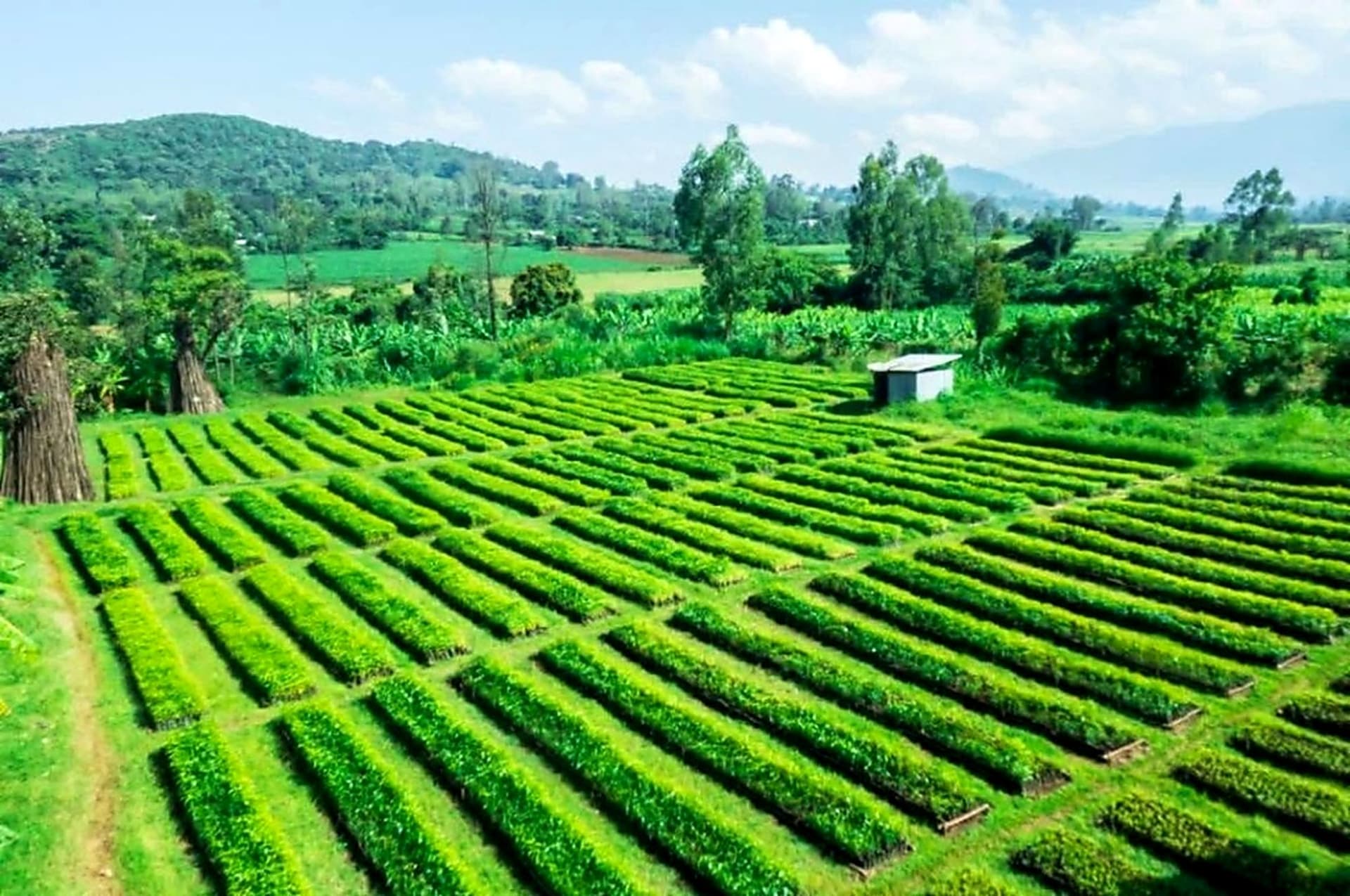
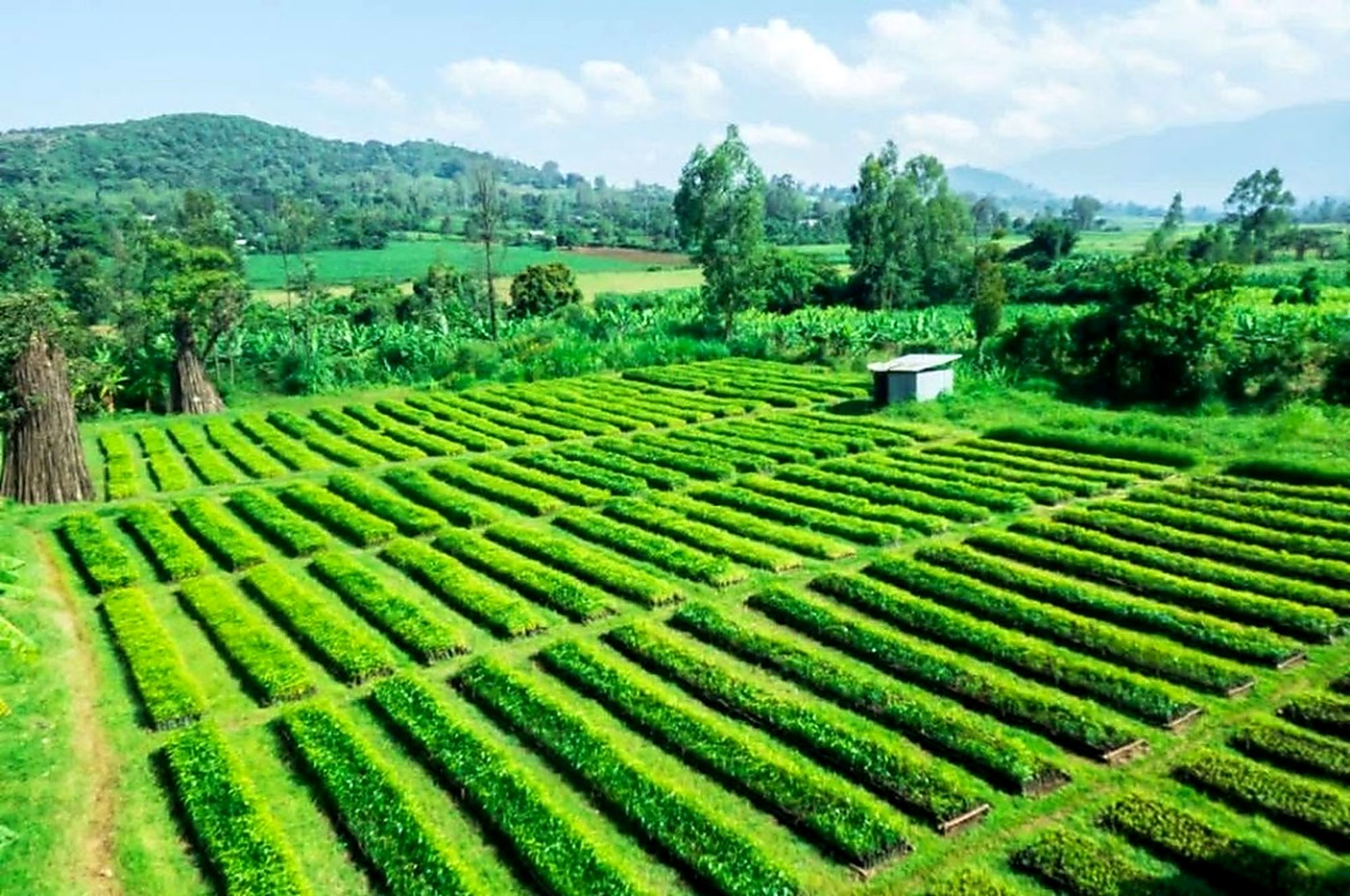
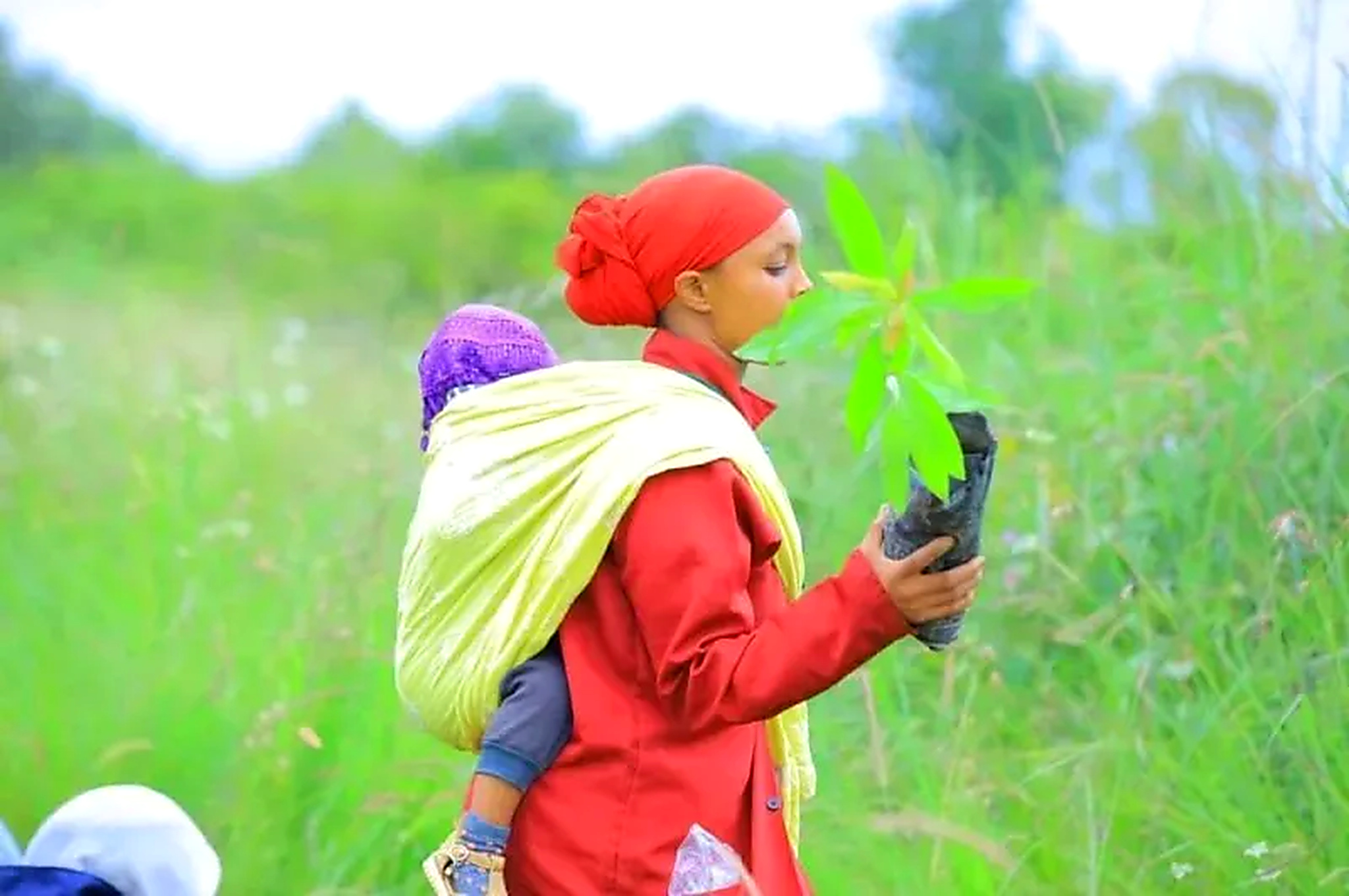
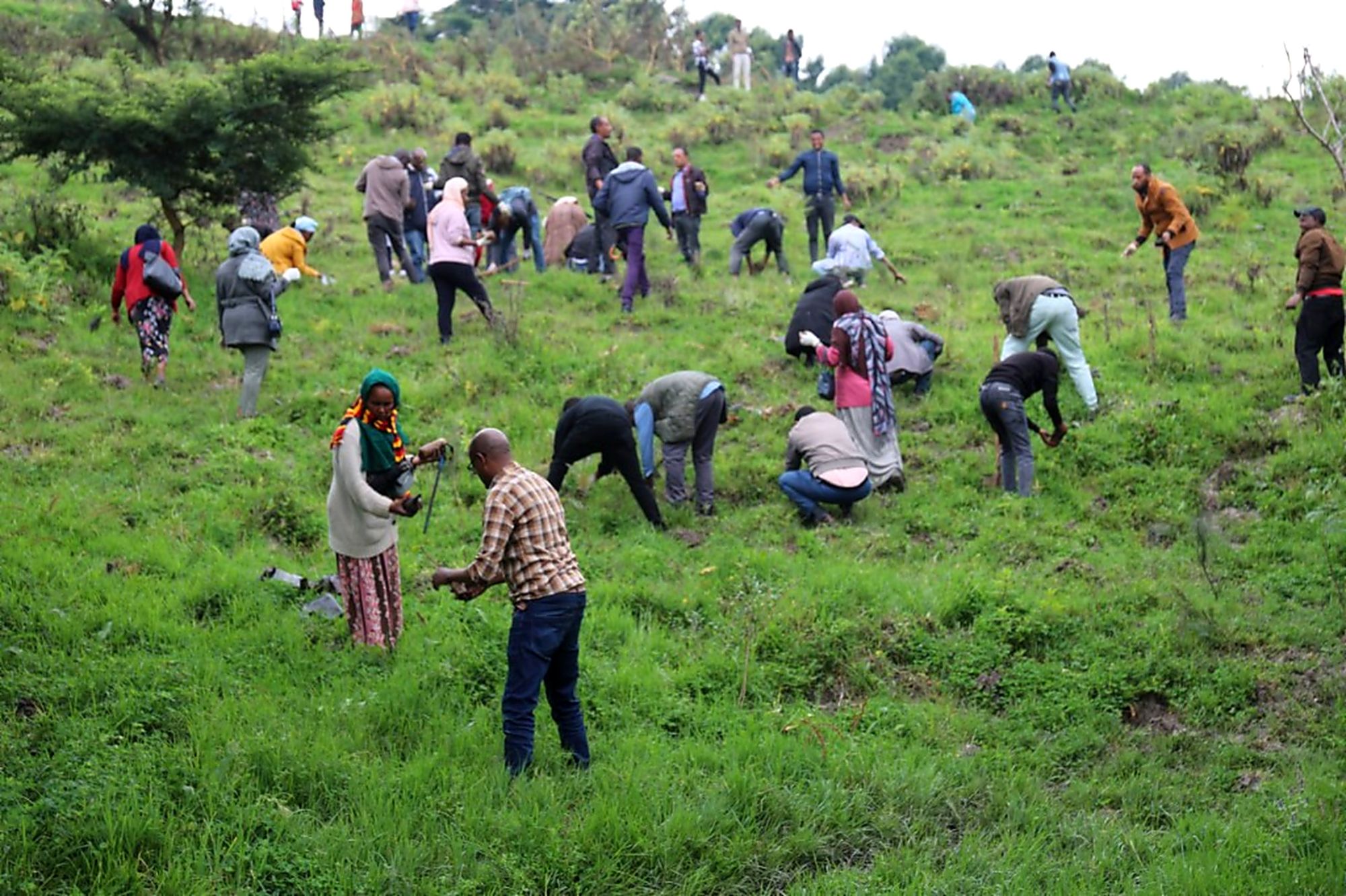
Launched in 2019 under the leadership of Prime Minister Abiy Ahmed, the Green Legacy Initiative began as an urgent response to historical deforestation, soil erosion, and climate-induced desertification. In just six years, the program has mobilized millions of citizens to plant upwards of 40 billion seedlings across varied ecological zones—targeting 50+ billion before the COP32 gavel falls.
- Multipurpose Reforestation: Unlike single-species plantation projects, GLI emphasizes indigenous tree varieties (such as Hagenia abyssinica, Juniperus procera, and Acacia) alongside high-yield fruit trees (avocado, mango, papaya) that enhance local food sovereignty and smallholder farm incomes.
- High Survival Rates & Satellite Monitoring: By tying seedling distribution to localized watershed management committees, survival rates regularly exceed 80%, verified through geographic information systems (GIS) and satellite imagery tracking.
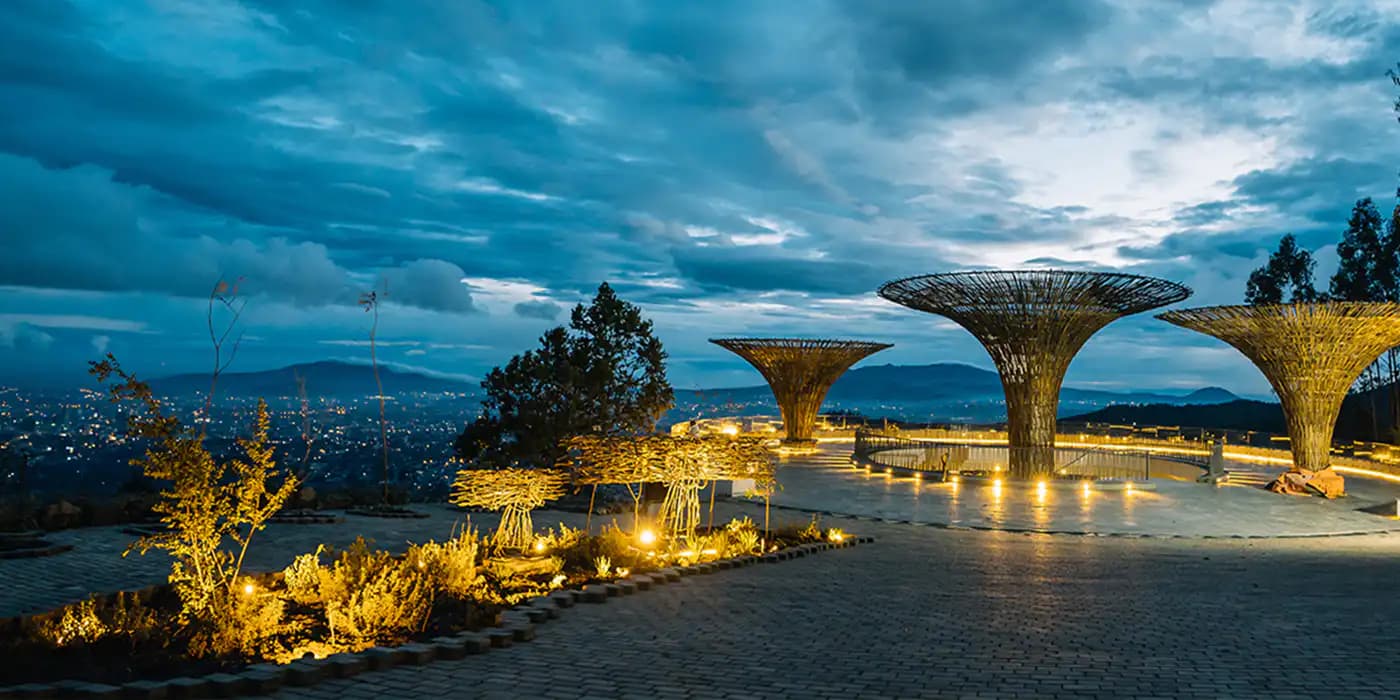
- Urban Greening in Addis Ababa: Delegates can see this transformation within Addis Ababa itself at Entoto Park, Friendship Square, and the riverside green corridor development, which converted eroded industrial waterways into thriving urban carbon sinks.
2. Africa's Clean Energy Grid: 90%+ Renewable Generation
Ethiopia possesses one of the greenest power grids on Earth, generating over 90% of its electricity from non-fossil resources and exporting clean power to neighbors including Kenya, Djibouti, and Sudan:
- Hydropower & The GERD: The Grand Ethiopian Renaissance Dam (GERD) on the Blue Nile, along with Gibe III and Tekeze, provides tens of thousands of gigawatt-hours of zero-emissions baseload power.
- Rift Valley Geothermal Systems: The East African Rift system running through Ethiopia harbors an estimated 10,000 MW of geothermal potential. Flagship sites at Aluto-Langano and Corbetti demonstrate baseload renewable steam generation.
- Wind & Solar Accelerations: Facilities such as the 120 MW Ashegoda Wind Farm in Tigray and Adama Wind Farm in Oromia harness high-altitude highland wind currents to balance seasonal reservoir fluctuations.
3. High-Altitude Afro-Alpine Carbon Sinks: The Bale & Simien Mountains
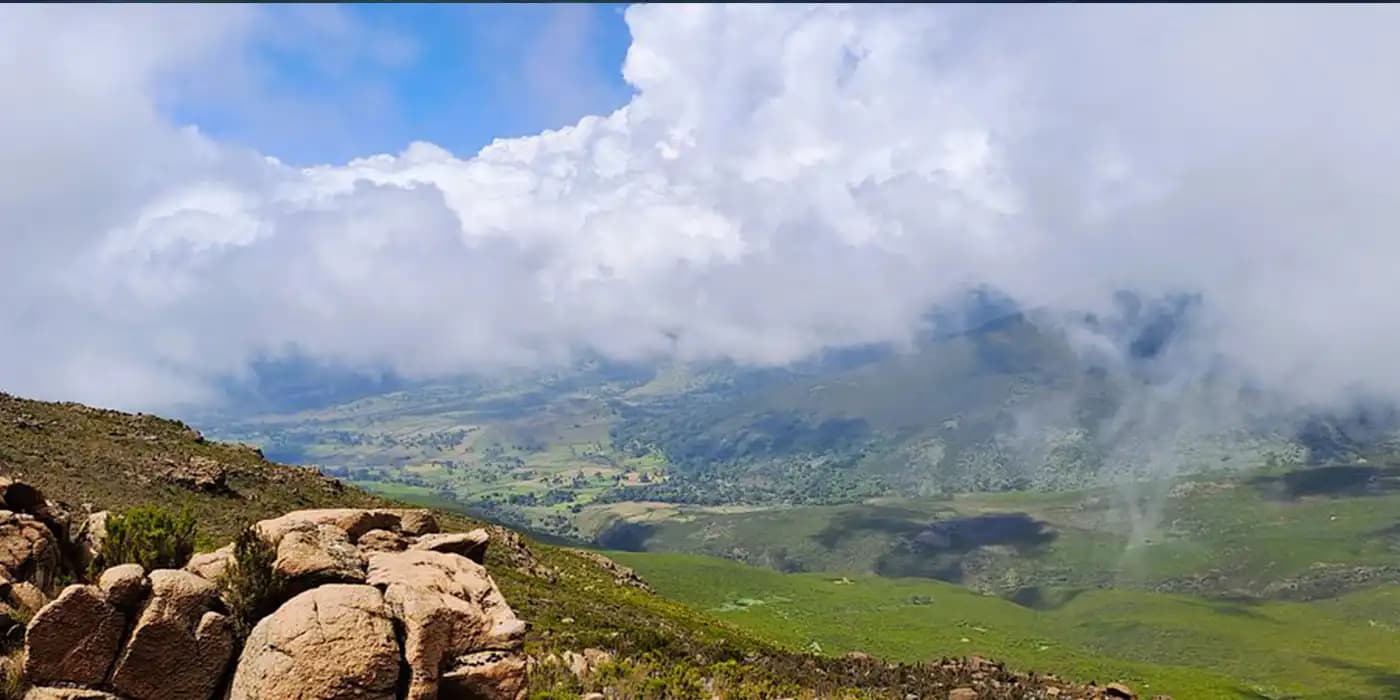
Beyond forests, high-altitude moorlands play a pivotal role in carbon storage and continental hydrology. The Bale Mountains National Park acts as Ethiopia’s most critical water tower, providing clean water to more than 12 million downstream inhabitants across Ethiopia, Somalia, and Kenya.
The Afro-alpine moorlands of the Sanetti Plateau, sitting above 4,000 meters (13,100 feet), trap enormous volumes of soil organic carbon in deep peatlands. They are also home to the critically endangered Ethiopian Wolf (Canis simensis), the elusive mountain nyala, and dozens of endemic plant species. Exploring these zones provides profound insight into the vulnerability and preservation of tropical alpine ecosystems.
4. Community-Led Eco-Tourism: Wenchi Crater Lake (UNWTO Best Tourism Village)
Located just a 3-hour scenic drive west of Addis Ababa, Wenchi Crater Lake serves as a textbook international case study for sustainable community-based tourism (CBT). Recognized by the United Nations World Tourism Organization (UNWTO) as a Best Tourism Village, Wenchi is managed by a cooperative of local farmers, horse guides, and boat operators.
Visitors descend into the extinct volcanic crater through lush forests, navigate the azure lake on silent wooden boats to visit an ancient island monastery, and observe traditional water-powered grain mills. 100% of tourism user fees fund local schools, clean water wells, and erosion-prevention agroforestry.
5. Shade-Grown Arabica: Agroforestry in the Birthplace of Coffee
Ethiopia is the genetic birthplace of Coffea arabica. In the dense rainforests of Kaffa, Sidama, and Yirgacheffe, coffee is still harvested from wild understory bushes growing beneath native forest canopies.
Unlike sun-drenched monoculture coffee plantations elsewhere in the world, Ethiopian forest coffee production preserves biodiversity, safeguards avian migratory corridors, and sequesters significant carbon while yielding some of the world’s most sought-after single-origin specialty coffees. Climate scientists and delegates can visit these living agroforestry systems to study sustainable supply chain resilience firsthand.
6. Curated Field Study Excursions for COP32 Delegations
Safarisway arranges customized, accredited study tours and delegate field journeys tailored to climate experts, NGOs, corporate sustainability teams, and diplomatic taskforces:
- Addis Ababa Urban Ecology Half-Day: Entoto Park reforestation corridors, Gullele Botanic Garden, and a ceremonial Green Legacy tree-planting activity. See our 1-Day Diplomatic & Entoto Retreat.
- 3-Day Rift Valley & Wenchi Eco-Village Study Tour: Community watershed management, geothermal site visits, and lakefront eco-resorts. See our 3-Day Wenchi & Rift Valley Tour.
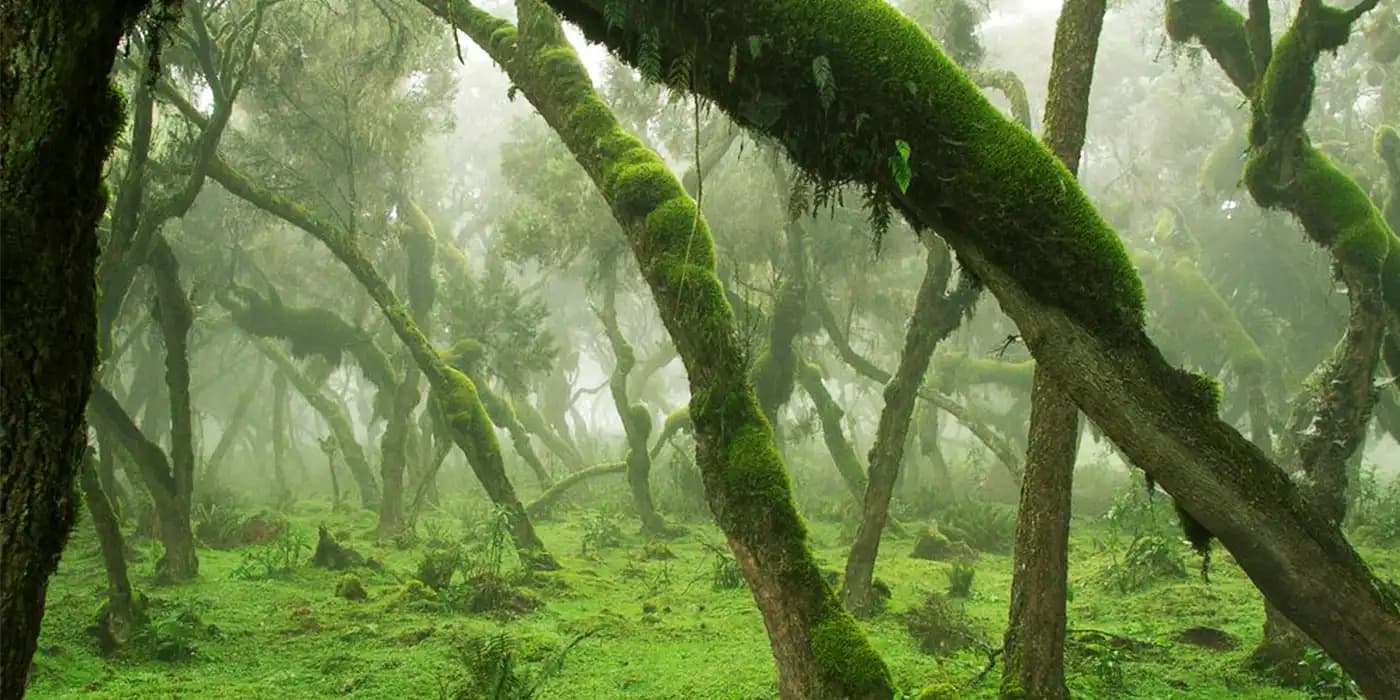
- 4-Day Bale Mountains Alpine Biodiversity Expedition: Field research briefing with wildlife biologists, Ethiopian wolf tracking, and Harenna cloud forest conservation. Explore our 4-Day Bale Mountains Conservation Safari.
Engage your team in real-world climate solutions. Speak with our conservation travel specialists to design an official COP32 delegation field tour.
Latest COP31 & Road to COP32 Update (November 2026): Read our official dispatch on Ethiopia in COP31: The Official Opening of the Ethiopia Pavilion in Antalya, Türkiye by H.E. Dr. Gedion Timothewos & H.E. Dr. Fitsum Assefa and the Complete Pavilion Schedule.
Combine climate field visits with wildlife and heritage circuits in our Top Pre- & Post-Summit Safaris for COP32 Delegates.
Ethiopia's selection as the COP32 host highlights its proactive domestic climate credentials, notably the Green Legacy Initiative—which has planted tens of billions of trees across varied biomes—and a national electricity grid powered over 90% by renewables including hydro, geothermal, and wind. For COP32 delegates and climate researchers, specialized field excursions showcase working models of high-altitude afro-alpine carbon sequestration in Bale Mountains, UNWTO-recognized eco-tourism at Wenchi Crater Lake, and sustainable shade-grown coffee agroforestry.
Frequently asked questions
What is Ethiopia's Green Legacy Initiative?+
The Green Legacy Initiative is a nationwide environmental restoration movement launched in 2019 that has mobilized citizens to plant over 40 billion tree seedlings across Ethiopia to combat soil degradation, fight climate change, and foster agroforestry.
How clean is Ethiopia's national electricity grid?+
Over 90% of Ethiopia's electricity is generated from renewable sources, primarily hydropower from the Blue Nile basin, complemented by growing wind farms and East African Rift geothermal generation.
Can COP32 delegates visit conservation projects and national parks during the conference?+
Yes. Safarisway organizes 1-day urban forest excursions to Entoto Park, 3-day eco-village journeys to Wenchi Crater Lake, and 4-day conservation expeditions to the Bale Mountains Afro-alpine plateau.
Why is Wenchi Crater Lake significant for sustainable tourism?+
Wenchi Crater Lake was awarded Best Tourism Village by UNWTO for its successful model of community-owned ecotourism, where revenue from hiking, boating, and guided visits directly supports local school infrastructure and watershed protection.