- Travel Guide
- September 22, 2026
- By Safarisway Expedition Team
Kenya is where the modern safari was invented, and it remains the destination most people picture when they imagine East Africa: open savanna running to the horizon, a lion pride resting under an acacia, and — for a few weeks each year — the largest overland wildlife movement left on Earth crossing a single river in front of your vehicle. It is also a genuinely varied country: coral-sand coastline, the Great Rift Valley's chain of soda and freshwater lakes, and a capital, Nairobi, that works as a comfortable one- or two-night base rather than just an airport stop.
Best Time to Visit: Weather and the Migration Calendar
Kenya has year-round game viewing, but timing changes what you'll see. The long dry season, from late June to October, is the classic safari window: vegetation thins out, animals concentrate around permanent water, and the wildebeest and zebra of the Great Migration are typically in the Maasai Mara, with river crossings at the Mara River possible from July through October. The short dry season in January–February is excellent for predator sightings and coincides with calving season further south in the Serengeti ecosystem. The long rains (March–May) and short rains (November) green up the landscape and thin out visitor numbers considerably, which some photographers and repeat visitors actually prefer, though some rural roads become harder going.
Visa and Entry Requirements
Kenya moved from visa-on-arrival to an Electronic Travel Authorization (ETA) system, which most visitors now need to apply for online before departure. Requirements and fees have changed more than once in recent years, so confirm the current process directly with Kenya's official immigration portal close to your travel dates rather than relying on older articles — this is one area where "needs verification at time of booking" genuinely applies. Travelers combining Kenya with Uganda and/or Rwanda may also want to look into the East Africa Tourist Visa, a single visa covering all three countries.
Getting There
Jomo Kenyatta International Airport (NBO) in Nairobi is Kenya Airways' hub and the main international gateway to East Africa, with direct or one-stop connections from Europe, the Middle East and increasingly Asia and North America. From Nairobi, small-aircraft carriers connect to airstrips inside the Maasai Mara, Amboseli, Samburu and other parks, cutting a 5–6 hour drive down to under an hour — worth considering if your itinerary is short. Nairobi itself is worth at least a half-day: Nairobi National Park, a genuine wildlife reserve with lions, rhino and giraffe, sits inside the city limits with the skyline visible behind the animals, and the Giraffe Centre and David Sheldrick Wildlife Trust elephant orphanage are both easy, worthwhile stops if you have a layover.
Reserves, Parks and Conservancies — Why the Difference Matters
Kenya's protected areas fall into a few different legal categories that affect what you can actually do on safari. National parks and reserves (like the Maasai Mara National Reserve itself) generally restrict game drives to daylight hours and to designated vehicle tracks. The private conservancies bordering the Mara — Naboisho, Olare Motorogi, Mara North and others — operate under different rules, typically allowing night drives, off-road driving to follow wildlife, walking safaris, and a strict cap on the number of vehicles allowed at any sighting. If a quieter, more flexible safari experience matters to you as much as the wildlife itself, ask whether your itinerary includes conservancy time rather than reserve-only game drives.
Where to Go
Kenya's parks are different enough from each other that combining two or three on one trip makes sense rather than feeling repetitive:
- Maasai Mara — Kenya's flagship reserve and the stage for the Great Migration's river crossings; also strong lion, cheetah and leopard territory outside migration season. Our 7-Day Masai Mara, Nakuru, Naivasha & Amboseli safari combines it with the Rift Valley lakes and Amboseli in one circuit.
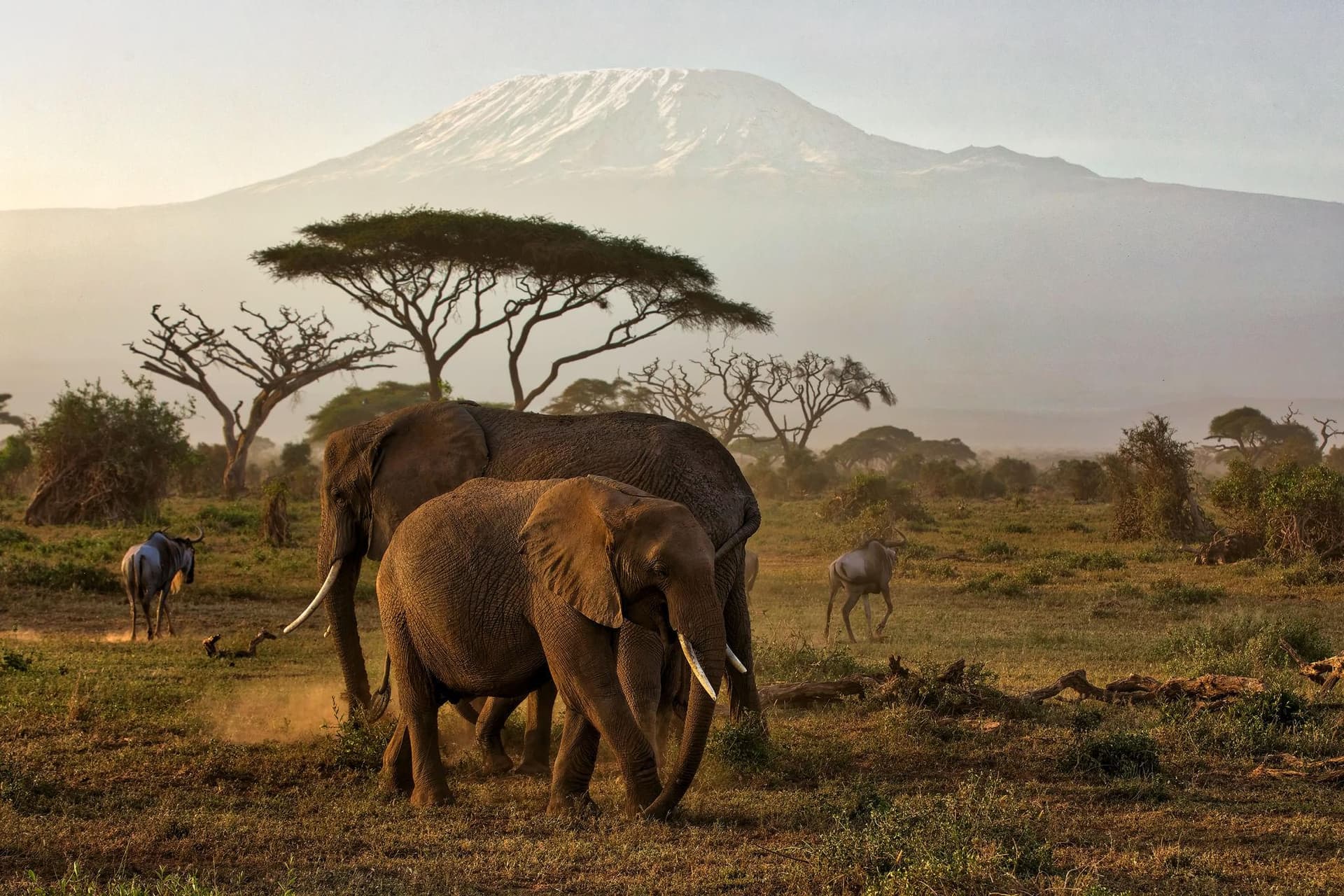
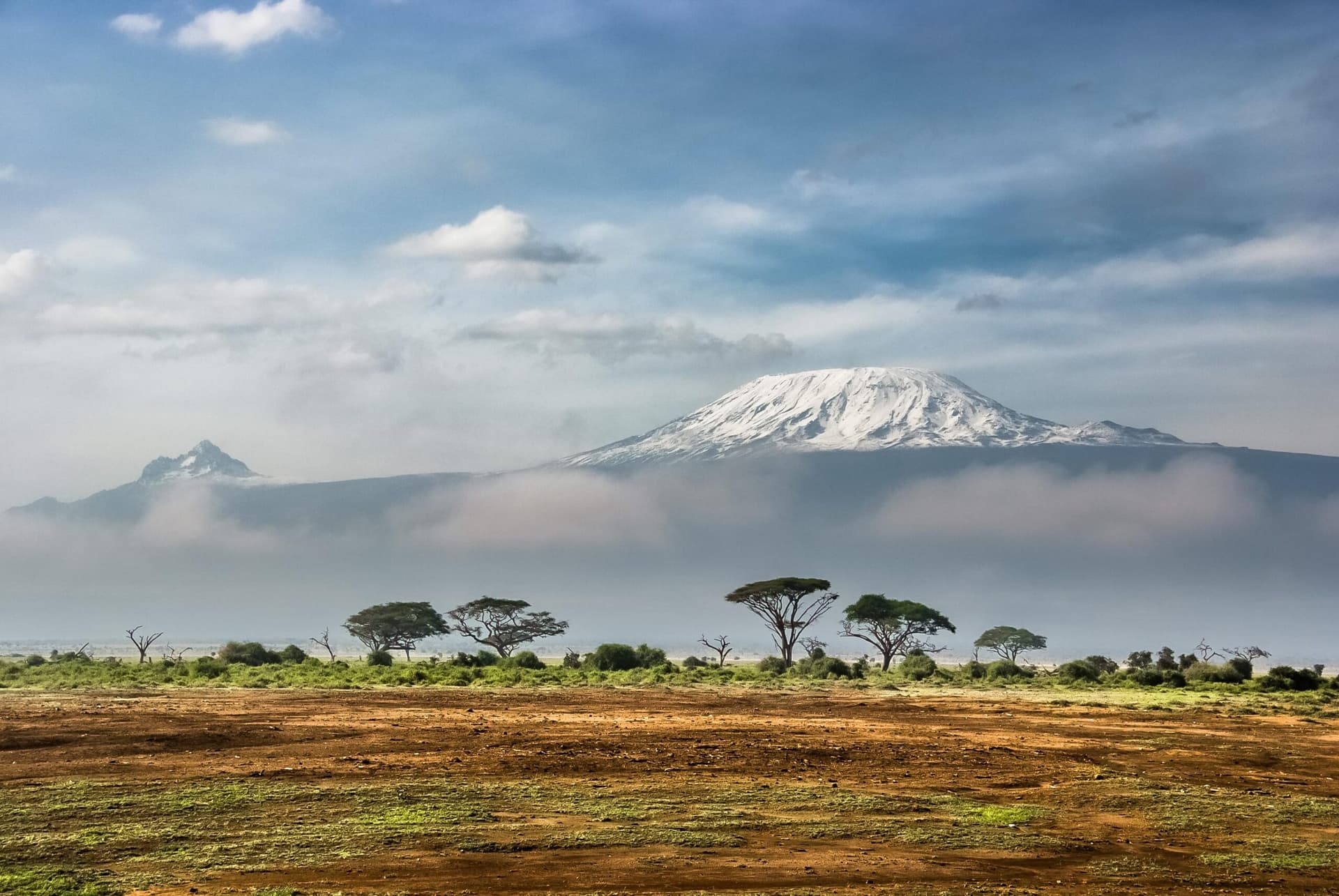
- Amboseli — famous for its close-up views of Mount Kilimanjaro across the Tanzanian border and its resident elephant herds. See our 3-Day Amboseli Luxury Safari or the shorter 4-Day Nairobi City & Amboseli Combo for a quick stopover trip.
- Samburu National Reserve — northern Kenya's semi-arid ecosystem, home to the "Samburu Special Five" species found nowhere else on a standard southern-circuit safari: Grevy's zebra, reticulated giraffe, Somali ostrich, gerenuk and beisa oryx. Our 4-Day Samburu Special Five Safari is built specifically around them.
- Tsavo East & West — Kenya's largest protected area, known for its red-dust "red elephants" (a result of the local soil) and the spring-fed Mzima Springs. Our 4-Day Tsavo Safari from Nairobi to Mombasa also works well as a bridge to the coast.
- Lake Nakuru & Lake Naivasha — the Great Rift Valley's lake circuit, with rhino sanctuary access at Nakuru and boat-based birdwatching and hippo viewing at Naivasha. A shorter, budget-friendly option: our 3-Day Rift Valley Safari.
Practical Logistics
The currency is the Kenyan Shilling (KES), though US dollars are widely accepted at lodges and for park fees (bring notes printed 2013 or later, as older bills are often refused). A yellow fever vaccination certificate is required if you're arriving from a country with risk of yellow fever transmission, and antimalarial precautions are recommended for safari areas below the highlands. Nairobi and the main safari circuits are visited by large numbers of tourists every year without incident when normal urban-travel precautions are followed; as with any international trip, check your own government's current travel advisory for any region-specific notes, particularly near the borders with Somalia and South Sudan, which fall outside any of our standard itineraries.
Money and Costs
Kenya safaris are priced mainly by accommodation level and vehicle type rather than by the park itself: a shared-vehicle budget safari staying in tented camps and lodges runs considerably less per day than a private 4x4 with a dedicated guide and premium lodges, even inside the same park. Park entrance fees are charged per person per day (higher for non-residents than for Kenyan citizens and residents) and are usually built into your tour price rather than paid separately. Tipping guides and camp staff is customary and expected — most travelers budget $10–20 per day for a driver-guide, split among the group, plus smaller amounts for camp staff, though this is discretionary and not enforced.
Culture, Food and Etiquette
Kenya is home to more than 40 ethnic groups, and Nairobi in particular is a genuinely cosmopolitan city — English and Swahili are both official languages, and a simple "Jambo" (hello) or "Asante" (thank you) is always well received. Nyama choma (grilled meat, usually goat or beef) served with ugali and kachumbari is close to a national dish and worth seeking out beyond hotel restaurants. If your itinerary includes a visit to a Maasai or Samburu community, dress modestly, ask before photographing individuals, and expect a small entrance or craft-purchase contribution — this is standard practice and directly supports the community rather than an add-on fee.
What to Pack
Neutral safari colors (khaki, olive, tan) are more practical than bright colors or all-black/all-white, which can be hot or, near tsetse fly areas, attract bites. Layers matter more than people expect — early morning game drives in an open vehicle can be genuinely cold even though Kenya sits on the equator, warming quickly once the sun is up. A good pair of binoculars, a wide-brimmed hat, high-SPF sunscreen, and a lightweight rain jacket for the shoulder seasons round out the essentials; most camps offer laundry service, so packing light for a multi-stop safari is realistic.
Combining with the Kenyan Coast
Travelers with 10 days or more sometimes add a few days on the Indian Ocean coast after (or before) the safari portion of their trip — Diani Beach near Mombasa for straightforward beach resort time, or Lamu's Old Town, a UNESCO World Heritage Site with car-free streets, Swahili architecture and a genuinely different pace, for something more culturally distinctive. Mombasa's Moi International Airport has domestic connections from Nairobi and the safari circuit, and our Tsavo safari from Nairobi to Mombasa is one practical way to link the two halves of a trip by road rather than needing a separate flight.
A Sample 7-Day Route
A well-paced first safari might run: fly into Nairobi and overnight there; drive to the Maasai Mara for two to three nights of game drives; transfer to Lake Nakuru or Lake Naivasha for a change of pace with rhino tracking and boat-based birdwatching; and finish with a night or two at Amboseli for Kilimanjaro views and elephant herds before flying home from Nairobi. This is roughly the shape of our own 7-Day Masai Mara, Nakuru, Naivasha & Amboseli safari, and it's a useful template even if you end up customizing the specific parks.
Planning Your Kenya Safari
Most first-time visitors do well with 4–7 days focused on one or two ecosystems rather than trying to see everything — Kenya rewards depth over a checklist approach. Browse our full Kenya tour collection or the wider Wildlife Safari category to compare options, or get in touch and we'll help build an itinerary around the season and pace you want.
Kenya's classic safari season runs late June to October, when the Great Migration's Mara River crossings typically occur; January–February suits predator sightings and coincides with Serengeti calving season. Visitors generally need an Electronic Travel Authorization (ETA) rather than a visa, arranged online before travel. Jomo Kenyatta International Airport (Nairobi) is the main gateway, with light-aircraft connections to the Maasai Mara, Amboseli, Samburu and Tsavo.
Frequently asked questions
When is the best time to see the Great Migration in Kenya?+
The Maasai Mara typically hosts the migration's dramatic Mara River crossings from July through October, during Kenya's long dry season. January–February is also excellent for general game viewing and big-cat sightings, though the migration herds themselves are usually further south in the Serengeti at that time.
Do I need a visa to visit Kenya?+
Kenya now uses an Electronic Travel Authorization (ETA) system for most visitors instead of a traditional visa, applied for online before you travel. Requirements have changed in recent years, so confirm the current process on Kenya's official immigration portal close to your departure date.
How many days do I need for a Kenya safari?+
Four to seven days is a comfortable range for most first-time visitors, ideally focused on one or two ecosystems — for example the Maasai Mara paired with the Rift Valley lakes, or Amboseli combined with a short Nairobi stopover — rather than covering the whole country in one trip.
Is Kenya safe for tourists?+
The main safari circuits (Maasai Mara, Amboseli, Samburu, Tsavo, the Rift Valley lakes) and Nairobi are visited by large numbers of international tourists each year with standard travel precautions. As with any destination, check your own government's current travel advisory, particularly regarding areas near the Somali and South Sudanese borders, which are outside our standard tour routes.