- Travel Guide
- September 22, 2026
- By Safarisway Expedition Team
We're including Somalia in our catalogue because there is a genuine, serious traveler for it — journalists, researchers, diaspora visiting family or ancestral towns, and experienced expedition travelers drawn to one of the least-visited countries on Earth, with real historic and cultural depth in Mogadishu's old Hamar Weyne quarter and Bakara Market, and a striking, largely untouched coastline running from Bosaso to Cape Guardafui in Puntland. Mogadishu was a significant Indian Ocean trading port centuries before European colonization, with Arab, Persian and Swahili-coast trading links visible today in Hamar Weyne's coral-stone architecture, and the city's 20th-century Italian colonial buildings and the ruined Mogadishu Cathedral add another, more recent layer of history, much of it scarred by decades of conflict. This guide is written to be useful to that traveler, not to talk anyone into or out of the trip.
Who This Is — and Isn't — For
This is specialist expedition travel, not conventional tourism, and we say that plainly rather than as marketing language. It suits travelers with prior experience in higher-risk destinations, a realistic understanding of the security environment, and the flexibility to accept professional security guidance, including the possibility that a planned activity is modified or cancelled on short notice for security reasons. It is not a fit for a first international trip, for independent or unescorted travel, or for anyone hoping to visit outside the specific areas covered below. In practice, most of our Somalia travelers fall into one of a few categories: members of the Somali diaspora returning to visit family, ancestral towns, or property; journalists, researchers and NGO-adjacent professionals who need reliable logistics support rather than a press-trip fixer; and a smaller number of experienced expedition travelers who have already visited genuinely challenging destinations elsewhere and understand what they're evaluating when they read a security briefing.
Security Context and Government Advisories
Most Western governments, including the United States, currently maintain a "Do Not Travel" or equivalent highest-level advisory for Somalia. We do not soften that fact, and we build our program around it rather than around it: every departure includes professional security coordination, vetted local vehicles and drivers, and a mandatory pre-trip screening conversation with each traveler before any booking is confirmed. Before booking with us or anyone else, check your own government's current official travel advisory for Somalia directly, since conditions and guidance can change with limited notice.
Geographic Scope: Mogadishu and Puntland Only
Our Somalia program is deliberately narrow. We operate in Mogadishu and in Puntland (Bosaso, Garowe, and the Cape Guardafui coastline) and nowhere else — Kismayo, Jubaland, Baidoa and the country's southern and central regions outside Mogadishu are not part of any Safarisway itinerary, reflecting a materially different and higher risk profile in those areas. If an itinerary you see elsewhere claims to cover those regions, treat that as a reason for caution, not reassurance.
Getting There
Aden Adde International Airport (MGQ) in Mogadishu has scheduled service from a small number of regional carriers, including Ethiopian Airlines via Addis Ababa, which is generally the most practical routing for international travelers and one reason we're well placed to arrange this leg. Bosaso's Puntland International Airport is reached mainly via connections through Mogadishu or other regional hubs. Airport arrival and departure procedures in Somalia involve a level of security screening well beyond a typical international airport, including at the perimeter before you even reach the terminal — expect this, build extra time into your schedule for it, and treat it as routine rather than alarming.
Where the Tours Go
- Mogadishu — the old Hamar Weyne quarter, Bakara Market, and the ruins of Mogadishu Cathedral, covered in our 3-Day Mogadishu Heritage & City Expedition or the longer 5-Day Mogadishu Extended, which adds the coastline nearby.
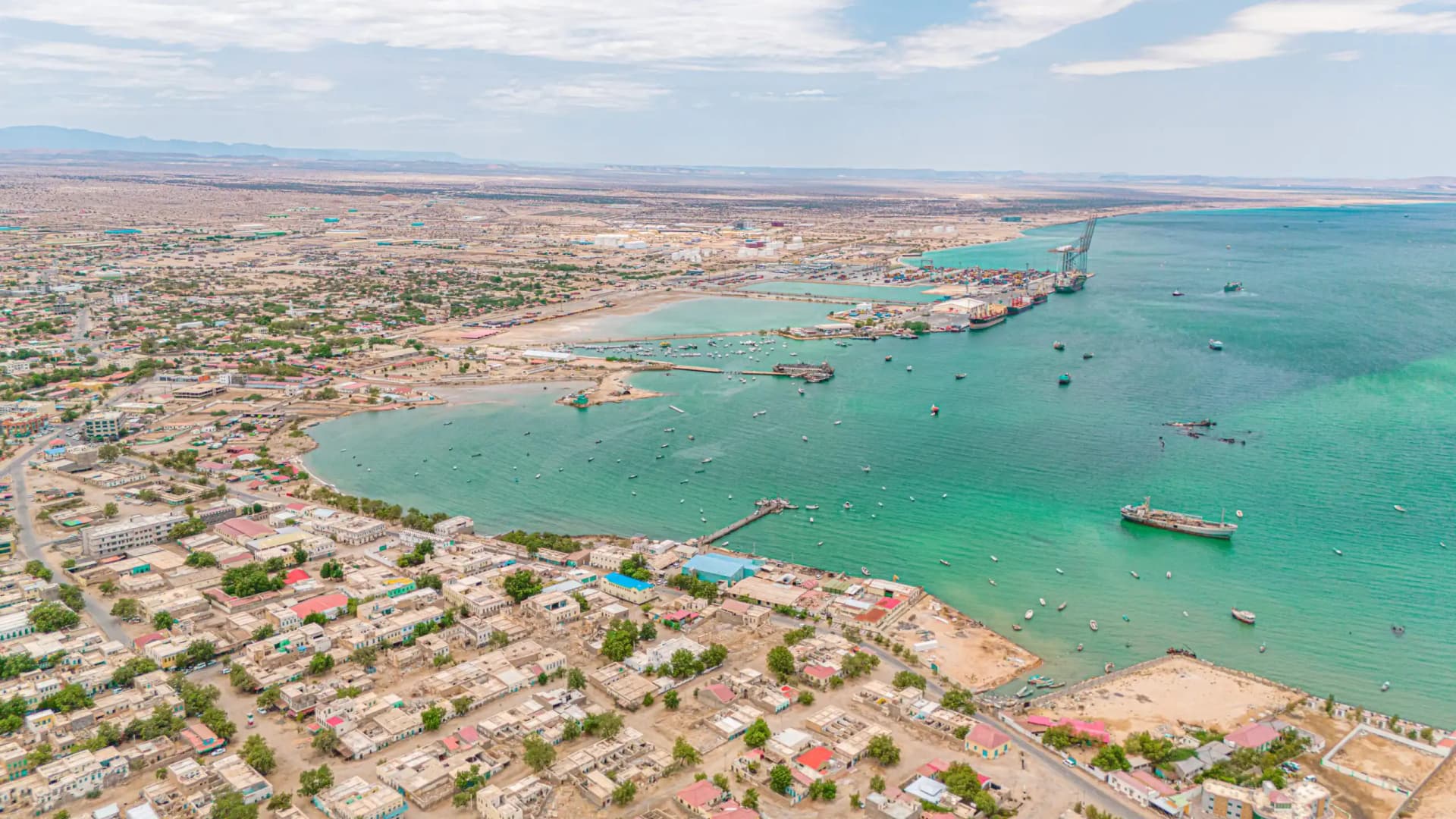
- Bosaso & the Gulf of Aden coast — Puntland's main port city and coastline, in our 4-Day Bosaso & the Gulf of Aden Coast tour.
- Cape Guardafui — the dramatic, remote easternmost point of the African continent, covered in our 5-Day Cape Guardafui & the Eastern Horn expedition.
- Garowe & the Puntland highlands — Puntland's capital and its cooler highland interior, in our 3-Day Garowe & the Puntland Highlands tour.
- The full circuit — for travelers with more time, our 8-Day Somalia Complete: Mogadishu & Puntland Expedition links all of the above.
What Makes Booking This Different
Groups are kept deliberately small — typically two to four travelers per departure — reflecting real security logistics rather than an exclusivity pitch. Pricing is higher per day than a comparable trip almost anywhere else in our catalogue, because it reflects the actual cost of professional security coordination, vetted vehicles and drivers, and secure accommodation, not standard tourism margins; treat any published figure as an indicative starting point confirmed individually for your specific departure. Standard travel insurance typically excludes destinations under a "Do Not Travel" advisory, so specialist high-risk-travel insurance is required, and we ask every traveler to arrange this before final confirmation. Bookings also don't work like a standard instant-checkout tour: after the initial screening conversation, we confirm security and logistics arrangements for your specific dates before taking a deposit, rather than confirming the booking first and figuring out logistics afterward.
Practical Logistics
Entry requirements can shift with limited notice; confirm current visa arrangements directly with us before booking flights. The Somali Shilling is the local currency, but US dollars are the practical currency for almost every transaction a visitor makes. A yellow fever certificate and standard travel health precautions apply as they would elsewhere in the Horn of Africa, and connectivity, while available in Mogadishu and Bosaso, can be inconsistent — plan accordingly if you need to stay reachable.
Cultural Context
Somalia is a deeply Islamic, historically clan-organized society with one of Africa's richest oral and poetic traditions — Somali culture has long been described as a "nation of poets," where poetry has historically carried political and social weight comparable to formal political speech elsewhere. Somali hospitality toward visitors is often warm and direct once trust is established, but modest dress is expected of all visitors, especially women, and photography of people, government or security installations, and ports or checkpoints requires asking first and, in some cases, is not permitted at all — a local guide will tell you where the lines are in real time, and it's worth treating that guidance as non-negotiable rather than a suggestion.
Health Precautions
A yellow fever vaccination certificate is required for entry, and standard travel health precautions — malaria prevention, safe drinking water practices, and being current on routine vaccinations — apply here as they would elsewhere in the Horn of Africa. Medical facilities in Mogadishu and Bosaso are more limited than in Nairobi or Addis Ababa, which is another reason specialist travel insurance with medical evacuation coverage is a requirement, not a suggestion, for this program specifically.
Screening and Group Composition
Every traveler goes through a screening conversation before a booking is confirmed — this isn't a formality but a genuine assessment of whether this specific trip, at this specific time, is a reasonable fit for that traveler's experience and expectations. We ask about prior travel to higher-risk destinations, physical and medical considerations relevant to the itinerary, and make sure expectations about pacing, flexibility and the possibility of last-minute changes are aligned before anyone commits financially. Groups stay small by design, and departures are arranged around who is actually confirmed rather than run on a fixed public calendar.
Communication and Connectivity
Mobile networks and internet access exist and generally work in Mogadishu and Bosaso, though connectivity can be inconsistent and is not something to rely on for time-sensitive communication. A local SIM card is usually arranged as part of your trip, and most hotels used on our itineraries offer Wi-Fi, with the same caveat about reliability. We recommend agreeing on a check-in schedule with someone at home before you travel and treating any gap in contact calmly rather than as a sign of a problem, since connectivity gaps are common and not usually meaningful on their own.
What to Pack
Lightweight, modest, breathable clothing suited to hot coastal conditions is the baseline — long sleeves and trousers are more practical and more culturally appropriate than shorts and tank tops. A hat, high-SPF sunscreen and a reliable power bank are worth having given inconsistent electricity in some areas. We advise against bringing anything that draws unnecessary attention — expensive-looking jewelry or camera gear left visible, for instance — and against carrying large amounts of cash; your security coordinator will advise on the practical specifics for your specific itinerary before departure, and will typically brief you on all of this again in person on arrival, since conditions and specific guidance can shift between when you book and when you travel.
Next Step
If this itinerary genuinely fits your experience and expectations, the next step is a direct conversation rather than an instant booking — reach out through our tailor-made planning page or browse the full Somalia tour collection, and we'll walk through the current security picture, screening process and logistics together before anything is confirmed.
Safarisway's Somalia program is specialist expedition travel limited to Mogadishu and Puntland (Bosaso, Garowe, Cape Guardafui), excluding Kismayo, Jubaland, Baidoa and other higher-risk areas. Most Western governments maintain a Do Not Travel advisory for Somalia; every departure includes professional security coordination, vetted vehicles and drivers, mandatory pre-trip client screening, and small group sizes of 2-4 travelers. Specialist high-risk travel insurance is required, and travelers should check their own government's current advisory before booking.
Frequently asked questions
Is it safe to travel to Somalia?+
Somalia remains under a Do Not Travel or equivalent highest-level advisory from most Western governments, and we treat that as a fact to plan around rather than downplay. Our Somalia program addresses it through professional security coordination, a deliberately narrow geographic scope, and mandatory pre-trip client screening — but this is specialist expedition travel with residual risk, not conventional tourism, and travelers should independently review their own government's current advisory before booking.
Why does Safarisway only operate in Mogadishu and Puntland?+
Mogadishu and Puntland (Bosaso, Garowe, Cape Guardafui) have a materially different security profile than Kismayo, Jubaland, Baidoa and other parts of Somalia, which are not part of any Safarisway itinerary. We narrow the scope deliberately rather than offer a itinerary we can't realistically secure.
What security arrangements are included in a Somalia tour?+
Every departure includes professional security coordination, vetted local vehicles and drivers, and secure accommodation, arranged individually for each trip. Group sizes are kept small, typically two to four travelers, reflecting real security logistics.
Do I need special travel insurance for Somalia?+
Yes. Standard travel insurance policies typically exclude destinations under a Do Not Travel advisory, so specialist high-risk-travel insurance is required, and we ask every traveler to have this in place before final booking confirmation.