- Travel Guide
- August 31, 2026
- By Safarisway Expedition Team
Somaliland is an extraordinary destination that defies the usual travel narrative. It is a self-declared, independent republic that broke away from Somalia in 1991, and while it remains internationally unrecognised by the UN, it functions entirely as a sovereign state. It boasts its own government, military, currency, and a surprisingly stable, peaceful environment that stands in stark contrast to the unrest often associated with the wider region. Travelling here is not for the faint-hearted; it lacks the polished tourism infrastructure of its East African neighbours. However, for the intrepid traveller, Somaliland offers raw adventure, ancient history, fiercely proud and incredibly hospitable people, and the profound thrill of exploring a country that technically doesn't exist on most world maps.
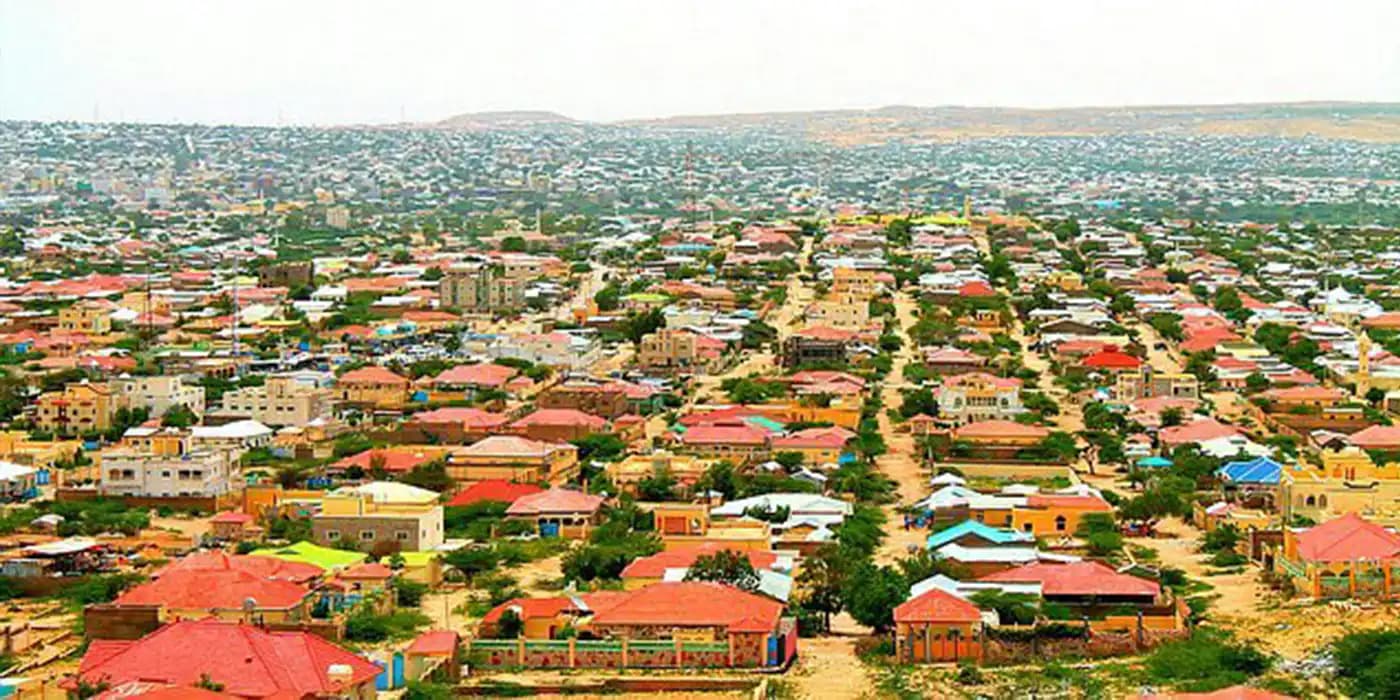
Discover Hargeisa, Laas Geel, Berbera, Burao, and the mountains of Somaliland — one of the most rewarding corners of the Horn of Africa for adventurous travelers. From the busy streets and markets of Hargeisa to the ancient rock art of Laas Geel, the historic Red Sea port of Berbera, and the dramatic mountains around Sheikh and Daallo, Somaliland combines culture, history, archaeology, and landscape in a way that few destinations can match. Safarisway builds private, tailor-made journeys around Somaliland's highlights, ideal for travelers interested in photography, archaeology, history, local culture, mountain landscapes, traditional markets, and lesser-visited destinations.
A Safarisway Somaliland Journey Can Combine
- Hargeisa city tours
- Laas Geel ancient rock art
- Berbera historic town
- Red Sea beaches
- Gulf of Aden landscapes
- Sheikh Mountains
- Daallo Mountains
- Burao and its livestock markets
- Somali culture and traditions
- Local markets and photography
- Archaeology and ancient history
- Mountain scenery
- Horn of Africa road trips
- Ethiopia, Somaliland and Djibouti multi-country tours
Somaliland Photography Tours
Somaliland is particularly rewarding for photographers. Ancient rock art, traditional markets, colorful clothing, livestock, mountain landscapes, old architecture, and the Red Sea coastline all provide compelling subjects. Photograph respectfully at all times, particularly around people, military sites, and government facilities.
Travel Information for Somaliland
Visas and Entry Requirements
Visa and entry requirements depend on nationality and on the border or airport used to enter Somaliland. Travelers combining Ethiopia, Somaliland, and Djibouti should confirm visa requirements for all three destinations before departure — Safarisway can assist with itinerary planning and documentation guidance for the route you choose.
Border Crossing
An Ethiopia–Somaliland–Djibouti itinerary is subject to border operating hours, immigration procedures, vehicle permissions, and current local conditions, so exact crossing and transport arrangements should be confirmed close to travel.
Road Conditions
Some of Somaliland's most interesting destinations sit far from the main cities. Travel times can shift with road conditions, weather, checkpoints, and local circumstances — the journey itself is part of the experience, and travelers should be ready for long driving days.
Best Time to Visit Somaliland
The ideal travel period depends on the route. Hargeisa and the mountain areas run considerably cooler than Berbera and the Red Sea coast. Travelers combining Somaliland with Djibouti should also factor in the hotter lowland conditions there. Safarisway can recommend travel dates based on your specific itinerary.
Tailor-Made Somaliland Tours
Every traveler has a different reason for visiting Somaliland — the ancient rock paintings of Laas Geel, Somali culture and photography, mountain landscapes, Berbera's history, or the Red Sea coast.
- 1 Day: Hargeisa City & Camel Market
- 2 Days: Hargeisa and Laas Geel
- 4 Days: Hargeisa, Laas Geel, and Berbera
- 5 Days: Somaliland Highlights and Sheikh Mountains
- 6 Days: Sanaag Highlands & Daallo Mountains Trek
- 7 Days: Complete Somaliland Adventure
- 8 Days: Ethiopia, Somaliland, and Djibouti
Longer programs can also be arranged for travelers interested in photography, archaeology, hiking, cultural experiences, and extended Horn of Africa tours.
Why Travel to Somaliland with Safarisway?
Somaliland suits travelers who want to explore a destination well outside the traditional African tourism routes. From the ancient paintings of Laas Geel to the Red Sea shores of Berbera, from the markets of Hargeisa and Burao to the highlands of Sheikh and Daallo, it offers a travel experience that feels genuinely different. Safarisway specializes in private Somaliland tours, cultural tours, photography journeys, archaeological trips, and multi-country Horn of Africa adventures — whether you want a short Hargeisa and Laas Geel trip or a longer journey connecting Ethiopia, Somaliland, and Djibouti, we build the itinerary around your dates and interests.
Discover Somaliland beyond the usual tourist routes with Safarisway.
Getting There
Reaching Somaliland is more straightforward than its unrecognised status might suggest, though it does require flying into specific regional hubs. The primary gateway is Egal International Airport, located in the capital city, Hargeisa. The airport is small but functional, and the arrival process, while sometimes bureaucratic regarding visa checks, is generally safe and orderly. You cannot fly directly to Hargeisa from Europe or North America; instead, you must connect through major African or Middle Eastern transit points.
Ethiopian Airlines is the most reliable and frequent carrier, offering daily flights from Addis Ababa to Hargeisa, making it an easy add-on to an Ethiopian itinerary. There are also regular connections from Nairobi, Kenya, and Dubai or Sharjah in the UAE via regional airlines like flydubai or Daallo Airlines. Note that you must obtain a Somaliland visa, which is separate from a Somalia visa. This can usually be arranged in advance through Somaliland missions in London, Washington D.C., or Addis Ababa, or organized via your local tour operator who can arrange for a visa on arrival at the airport.
Getting Around
Transport in Somaliland is rugged and heavily regulated for the safety of foreign visitors. The roads vary wildly in quality; while the main artery connecting Hargeisa to the port city of Berbera is paved and in decent condition, almost all other routes are unpaved, dusty, and deeply rutted. Therefore, a sturdy 4WD vehicle is absolutely essential for exploring the country. Self-driving is not an option for tourists. You must hire a vehicle with an experienced local driver who knows the terrain and can navigate the frequent police checkpoints.
Furthermore, there is a strict security protocol for foreigners travelling outside the major cities. By law, any tourist leaving the city limits of Hargeisa or Berbera must be accompanied by an armed police escort (a Special Protection Unit, or SPU, officer). While this might sound intimidating, it is largely a precautionary measure mandated by the government to ensure the absolute safety of visitors and maintain the region's hard-won stability. Your tour operator or hotel will arrange this escort for you; the officer will travel in your vehicle and will become a friendly, if heavily armed, companion on your journey.
Best Time to Visit
Somaliland has a harsh, arid climate, and the heat can be punishing, particularly in the coastal areas. The best time to visit is during the cooler winter months, from November to March. During this period, Hargeisa, which sits at a higher elevation, enjoys warm, pleasant days and surprisingly cool, comfortable evenings. It is the perfect time for exploring the city markets or heading out into the desert landscapes.
If you plan to visit the coastal city of Berbera, the winter months are absolutely crucial. From May to September, Berbera experiences intense, suffocating heat, with temperatures regularly exceeding 40°C (104°F) accompanied by high humidity. Traveling during these summer months is extremely uncomfortable and potentially dangerous due to the risk of heat exhaustion. Therefore, planning your trip between November and March ensures you can explore both the highlands and the coast in relative comfort.
What to See
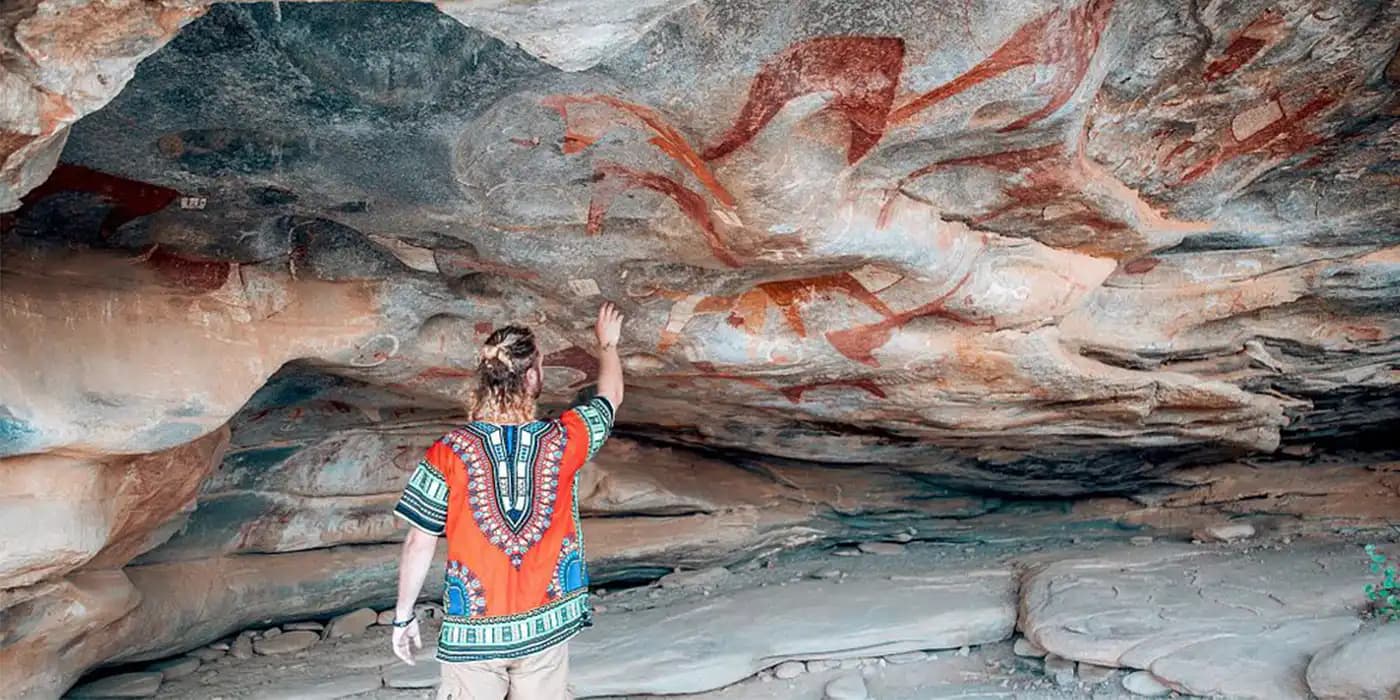
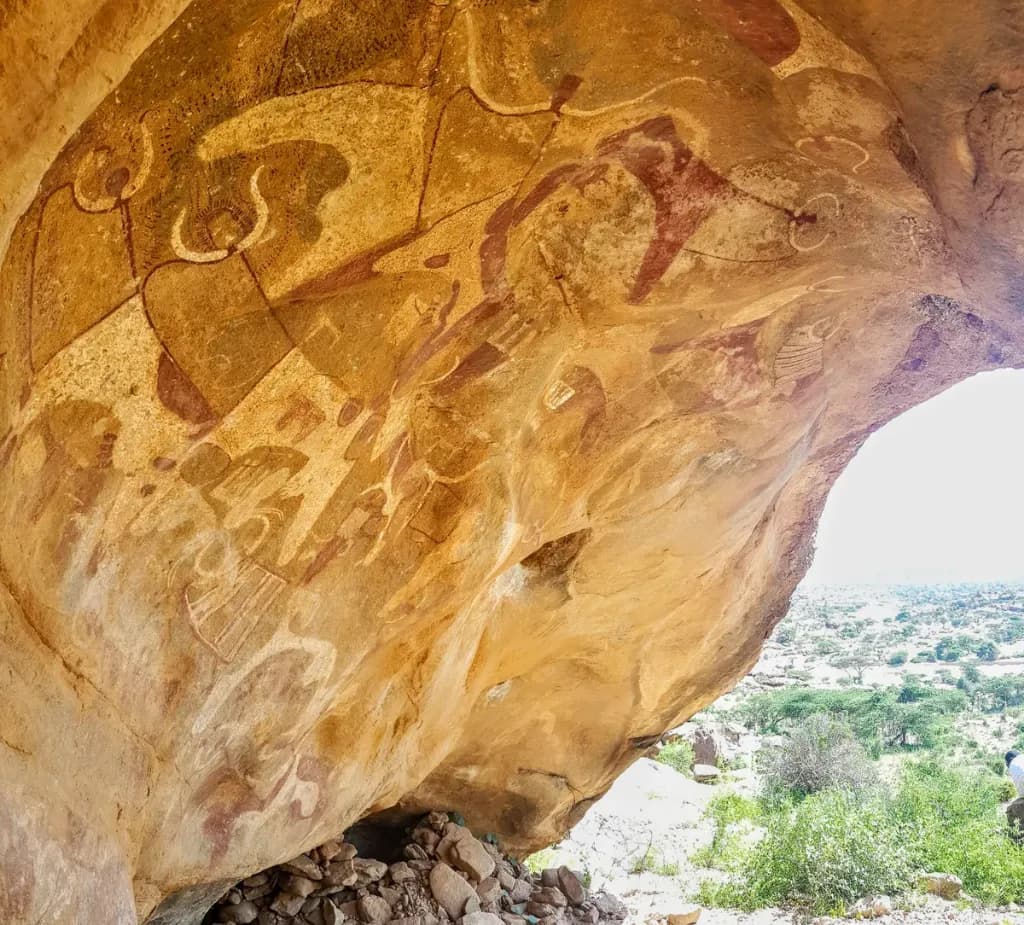
Despite its lack of development, Somaliland harbours some genuinely world-class sights. The undisputed crown jewel is Laas Geel, a complex of rock shelters containing some of the oldest and best-preserved prehistoric cave paintings in Africa. Estimated to be between 5,000 and 10,000 years old, the vibrant depictions of wild animals, ancient pastoralists, and vividly coloured cows are breathtaking, all the more so because you will likely have the site entirely to yourself.
Beyond Laas Geel, the historic port city of Berbera offers a fascinating, slightly melancholy glimpse into the past with its crumbling Ottoman and British colonial architecture. Once a thriving trading hub, its sleepy, faded grandeur is captivating, and nearby pristine beaches offer a chance to swim in the warm waters of the Gulf of Aden. Inland, the spectacular Sheikh mountain escarpment provides thrilling, winding mountain drives and stunning panoramic views over the plains below. Back in the bustling capital, the Hargeisa War Memorial—a crashed MiG fighter jet resting on a plinth in the city centre—serves as a stark, poignant reminder of the brutal civil war and the resilience of the Somaliland people in rebuilding their nation.
Practical Tips
Logistics in Somaliland require preparation. The economy is heavily cash-based, and the local currency, the Somaliland Shilling, suffers from massive inflation. While you will need shillings for small purchases like tea or snacks, the entire economy is essentially dual-currency, and US Dollars are accepted and expected for almost all significant transactions, including hotels, tours, and restaurants. Bring crisp, new USD bills, as older or torn notes are frequently rejected. There are no international ATMs, and credit cards are virtually useless, so bring all the cash you need. Interestingly, Somaliland is a pioneer in mobile money (Zaad), but this is difficult for tourists to set up for a short stay.
Staying connected is easy if you purchase a local SIM card (Telesom is recommended) immediately upon arrival at the airport; mobile data is remarkably cheap and 4G coverage is decent in towns. Culturally, Somaliland is a strict Islamic republic. Dress codes are very conservative. Men must wear long trousers; shorts are entirely unacceptable. Women are required to wear loose-fitting, non-revealing clothing that covers the arms to the wrists and legs to the ankles, and must cover their hair with a headscarf whenever outside their hotel room. Finally, the importation, sale, and consumption of alcohol are strictly prohibited nationwide. Respecting these laws and customs is non-negotiable and ensures a warm reception from the local people.
Somaliland Entry & Logistics Checklist
Somaliland travel is very doable with preparation. Requirements can change — confirm visa rules and the escort policy with your operator before travel.
Somaliland travel centers on Hargeisa, the ancient rock art at Laas Geel, the historic Red Sea port of Berbera, and the Sheikh and Daallo mountain ranges. Visa and entry requirements depend on nationality and point of entry; travelers combining Somaliland with Ethiopia and Djibouti should confirm requirements for all three countries. Hargeisa and the highlands run noticeably cooler than the Berbera coast, and road journeys between sites can be long, so trips are best arranged as tailor-made, private itineraries.
Frequently asked questions
What is Laas Geel?+
Laas Geel is a rock art site near Hargeisa with well-preserved paintings depicting cattle, herders, and wildlife. It's one of the best-preserved ancient rock art sites in the Horn of Africa and a highlight of almost every Somaliland itinerary.
Do I need a visa for Somaliland?+
Visa and entry requirements depend on your nationality and the border or airport you use to enter. If you're combining Somaliland with Ethiopia and Djibouti, confirm requirements for all three before departure — Safarisway can advise based on your specific route.
How many days do you need in Somaliland?+
A focused trip covering Hargeisa and Laas Geel can be done in two to four days. A week allows time to add Berbera's Red Sea coast and the Sheikh Mountains, while longer itineraries can extend into Ethiopia and Djibouti.
Is Somaliland safe to visit?+
Somaliland is generally more stable than the rest of Somalia, but travel outside main routes, at borders, and near sensitive government or military sites should be handled with a knowledgeable local operator. As with any destination, check current advisories from your own government before booking.