Eritrea, often called the “North Korea of Africa” because of its isolation, remains one of the safest and most architecturally stunning countries on the continent. Although traveling here requires careful planning, the rewards include an authentic experience, dramatic landscapes, rich history, and vibrant local culture.
1. Preparing for Your Trip
Before booking your flight, you need to understand Eritrea’s strict entry requirements. Planning ahead ensures a smooth journey.
- Visas: All visitors must obtain a visa before arrival. You can apply at an Eritrean embassy, or if you book through a tour operator, you can get a Letter of Invitation (LOI) to receive a Visa on Arrival for $70 USD in cash.
- Travel Permits: You can explore Asmara freely; however, for destinations outside the capital—such as Massawa or Keren—you must secure a physical permit from the Ministry of Tourism. These permits cost around $10 USD each and usually take 24 hours to process.
- Currency & Cash: Eritrea uses the Nakfa (ERN). Since the country operates entirely on cash, you must bring sufficient USD or Euro cash. International ATMs do not function, and credit cards are not accepted.
- Connectivity: Internet access is extremely limited and slow. Therefore, most travelers remain largely offline, allowing a rare chance to experience life without digital distractions.
- Health Precautions: Asmara sits at over 2,300 meters above sea level. Consequently, you may experience mild altitude sickness. Drink plenty of water and avoid strenuous activity on your first day. In addition, ensure your routine vaccinations are up to date and carry basic medications for minor ailments.
2. Top Destinations
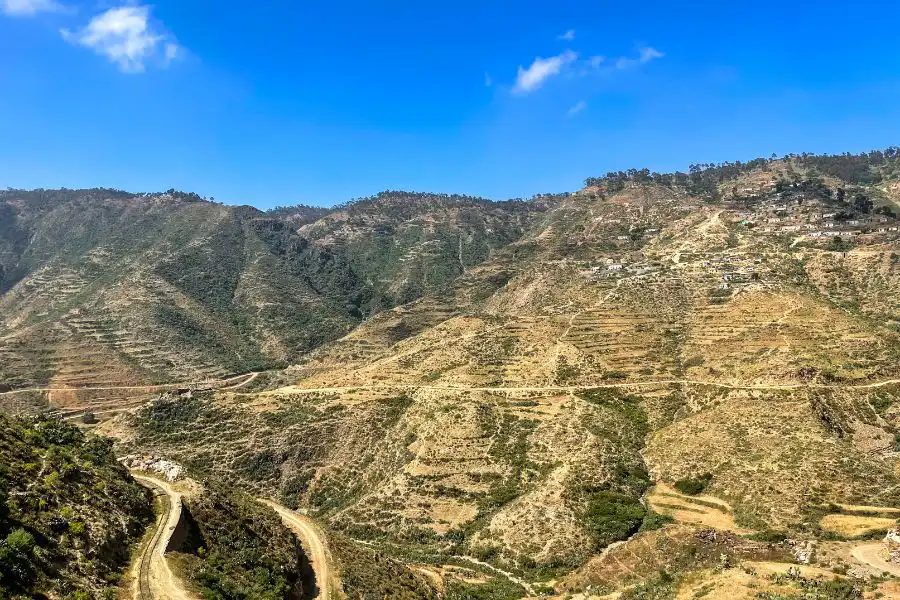
To Explore Eritrea’s landscape shifts dramatically from high-altitude mountains to desert coasts in just a few hours.
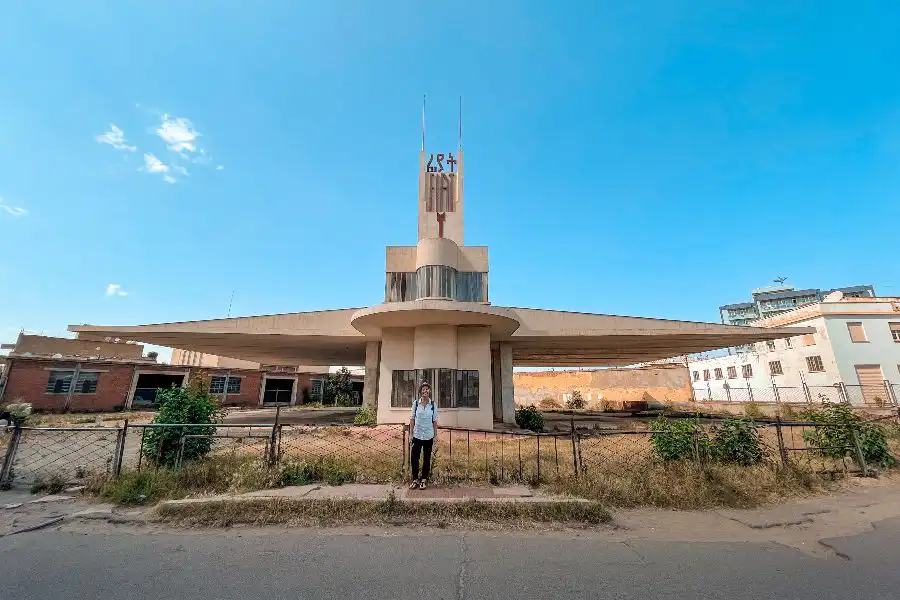
- Asmara: The Art Deco Jewel – Asmara, a UNESCO World Heritage site, feels like a 1930s Italian film set, and its streets showcase remarkable Art Deco architecture. Notable highlights include the Fiat Tagliero, a futuristic petrol station shaped like an airplane, and Cinema Impero, a beautifully preserved theater that still hosts screenings today. Just outside the city lies the Tank Graveyard, where rusted military vehicles from the war of independence provide a sobering glimpse into Eritrea’s history.
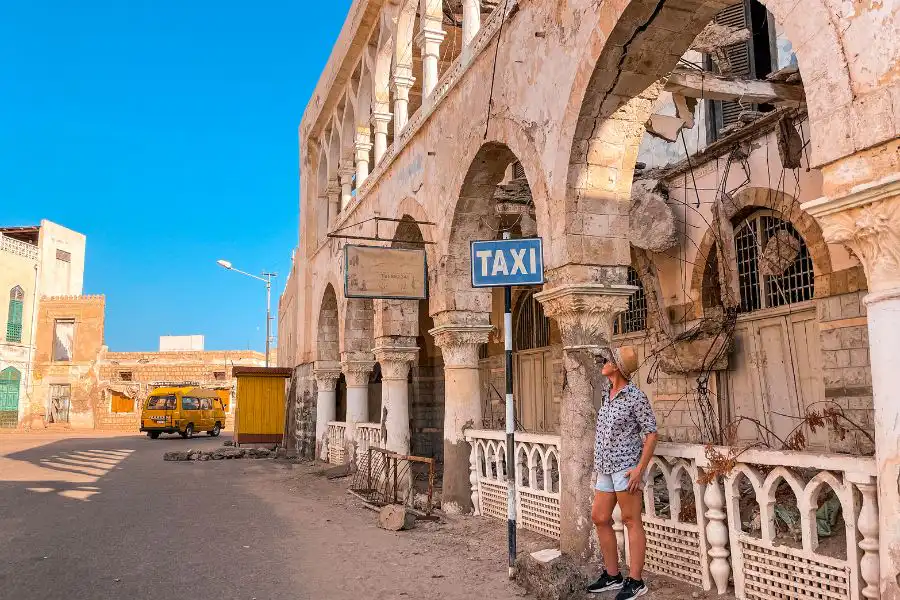
- Massawa & The Red Sea – The drive from Asmara down to the coast offers one of Africa’s most scenic routes. Massawa’s Old Town features Ottoman-style coral-stone buildings that, although damaged by past conflicts, remain hauntingly beautiful. From here, travelers can explore the Dahlak Archipelago, a collection of over 200 mostly untouched islands perfect for snorkeling, diving, and discovering vibrant marine life.
- Keren: The Cultural Heart – Keren serves as Eritrea’s cultural hub. On Mondays, the city hosts a massive camel market, where diverse ethnic groups trade livestock and spices. This lively market offers an authentic insight into Eritrean daily life and local traditions.
3. Cultural Etiquette & Local Laws
Eritreans are hospitable, but the country is conservative. Following local customs ensures a respectful visit.
- Photography: Never photograph government buildings, military sites, or police officers. Violating this rule can lead to detention or confiscation of your camera. Dress Code: Dress modestly, particularly in rural villages and at religious sites. Avoid revealing clothing.
- Coffee Ceremony: If a local invites you for coffee, accept the invitation if you have time. The traditional ceremony involves three rounds and plays a central role in social life. Greetings & Respect: Always greet people politely. Additionally, show respect to elders by offering your seat or letting them pass first.
4. Health and Safety Travelers find
Eritrea very safe, as crime rates are low. Nevertheless, avoid border areas within 25 km of Ethiopia or Djibouti, which remain sensitive.
- Altitude Considerations: Due to Asmara’s high elevation, mild altitude sickness is possible. Therefore, take it easy on your first day, stay hydrated, and avoid heavy exertion.
- General Safety Tips: Exercise common travel precautions. Stick to well-known routes, respect local regulations, and follow guidance from authorities or tour operators.
5. Practical Tips for Travelers
- Language: Tigrinya, Arabic, and English are commonly spoken. Learning basic Tigrinya phrases is appreciated. Transport: Public transportation is limited. Therefore, hiring a private car or joining a guided tour is recommended for destinations outside Asmara.
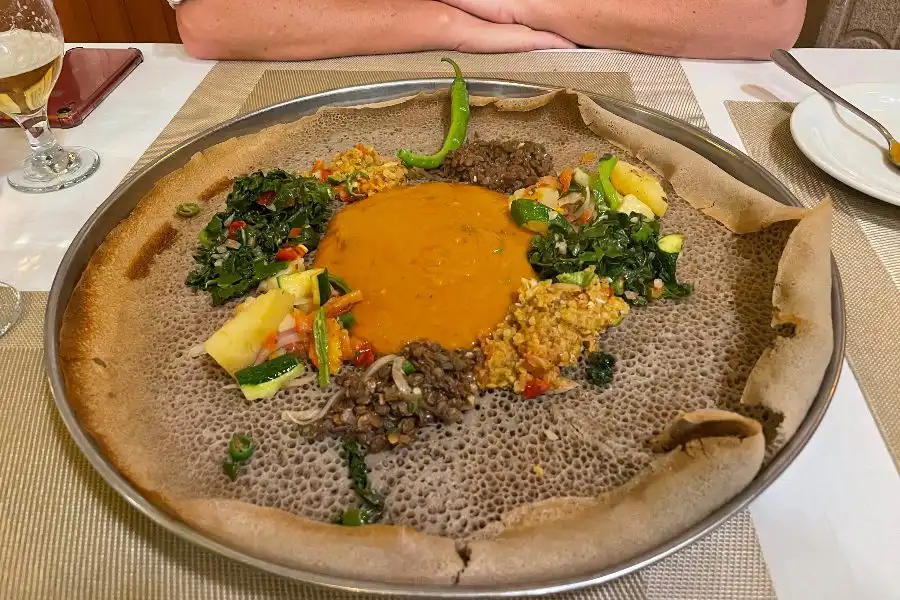
- Food & Drink: Eritrean cuisine features spicy stews, injera (flatbread), and fresh coffee. Street food is popular, but ensure it is freshly prepared.
- Climate: The highlands are cooler and dry, whereas coastal regions are hot and humid. Pack clothing accordingly. Eritrea offers a rare combination of safety, culture, history, and breathtaking landscapes. From Asmara’s cinematic streets to the coral islands of the Dahlak Archipelago and Keren’s bustling markets, a trip here delivers experiences that are both authentic and unforgettable. By planning carefully and respecting local customs, travelers can uncover one of Africa’s hidden gems.