Ethiopia Travel Guide 2026: The Land of Origins invites you on a journey unlike any other in Africa. Ethiopia, widely known as the “Cradle of Humanity,” offers an extraordinary experience shaped by ancient history, rich culture, and breathtaking natural landscapes. This remarkable nation, never fully colonized, stands as a symbol of African independence. Furthermore, the country is a destination of deep spiritual heritage and striking natural beauty. As a result, travelers planning Ethiopia travel in 2026 will benefit greatly from guided experiences that reveal the country’s true essence.
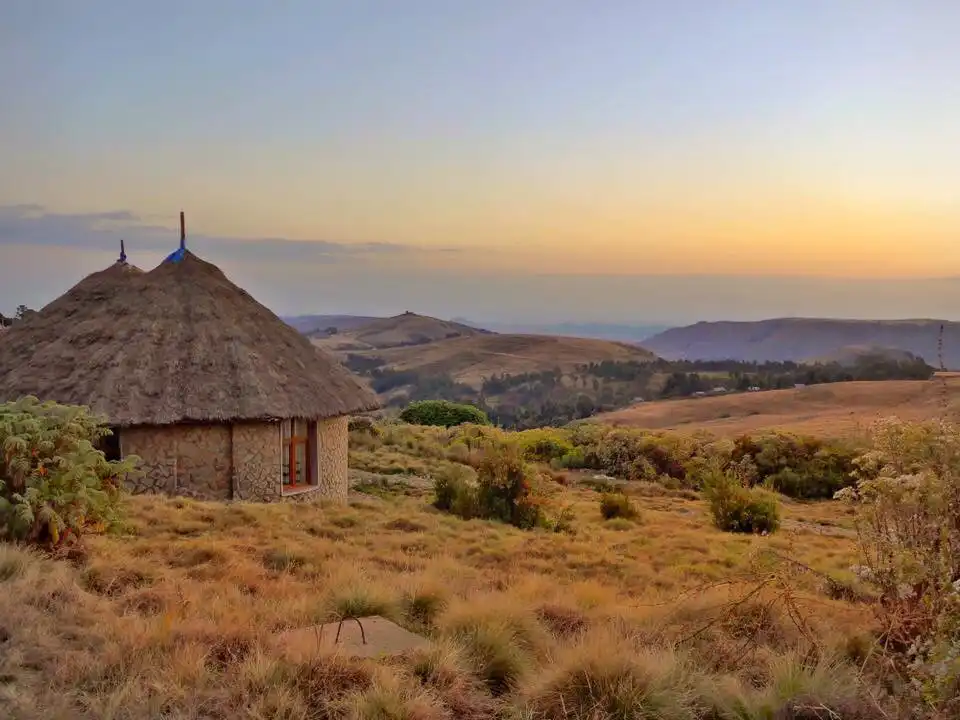
When organizing your itinerary, ensure all documents are ready and research each destination carefully. Moreover, traveling with experienced local guides elevates your journey and helps uncover hidden historical and cultural landmarks. Specifically, pay attention to logistics for high-altitude trekking and remote desert expeditions during your trip.
The best time to visit is during the dry season from October to May. During this period, conditions are ideal for sightseeing, trekking, and cultural tours. These plans contrast with the rainy season, which transforms the landscape into lush green scenery.
To begin with, travelers should apply through the Official Ethiopia e-Visa Portal for entry in 2026. This online system simplifies tourist visa applications for most nationalities. Similarly, ensure your passport remains valid for at least six months beyond your arrival date for hassle-free entry.
As Africa’s largest airline, travelers can fly with Ethiopian Airlines to access extensive global connections via Addis Ababa Bole International Airport. Notably, network expansions planned for 2026 improve accessibility from Europe, Asia, and the Americas. Therefore, routing through Addis Ababa is often the most efficient choice for visitors.
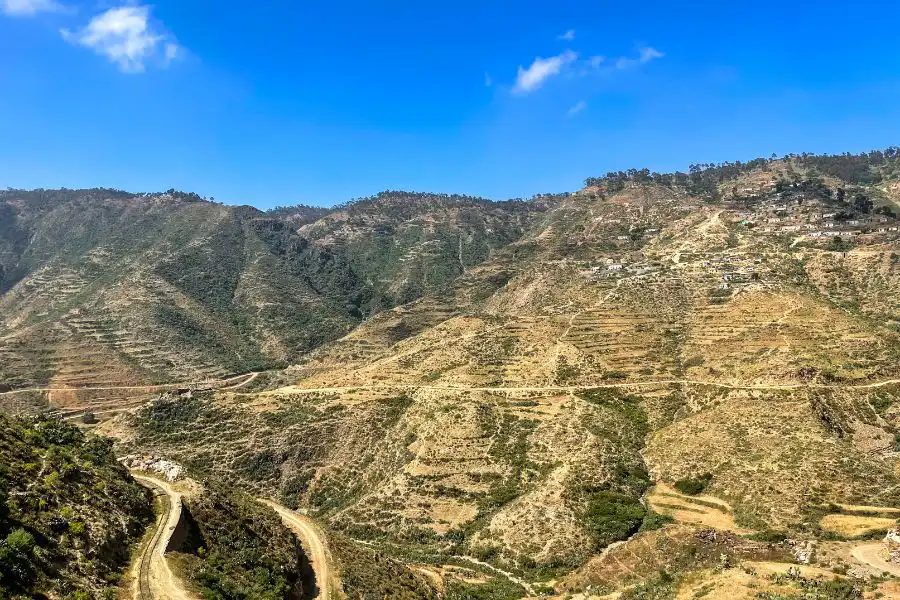
From the towering highlands to the lowest points on Earth, the landscapes here are incredibly diverse. Alternatively, travelers who prefer wildlife encounters over trekking will find national parks rich in endemic species.
Injera, a sour flatbread made from teff, forms the base of most meals. Likewise, the traditional coffee ceremony remains a powerful symbol of hospitality deeply woven into the Ethiopia travel experience.
Regarding safety, while Addis Ababa is generally secure, conditions in certain regions may change. Hence, travelers should regularly consult official sources such as the U.S. travel advisory.
In summary, this guide serves as a complete resource for discovering history, culture, and natural beauty. Whether trekking in the Simien Mountains or sharing coffee with locals, the country offers an unforgettable journey. Now is the time to begin planning your next adventure.