3 Days Juba & Mundari Tribe Tour
Journeying Across South Sudan
“The Horn of Africa is a living, resilient landscape — not an off-the-shelf tourist corridor. We build our routes around genuine conversations, weekly village market rhythms, and local elder protocols so that every journey remains respectful and directly beneficial to the communities who host us.”
The Journey
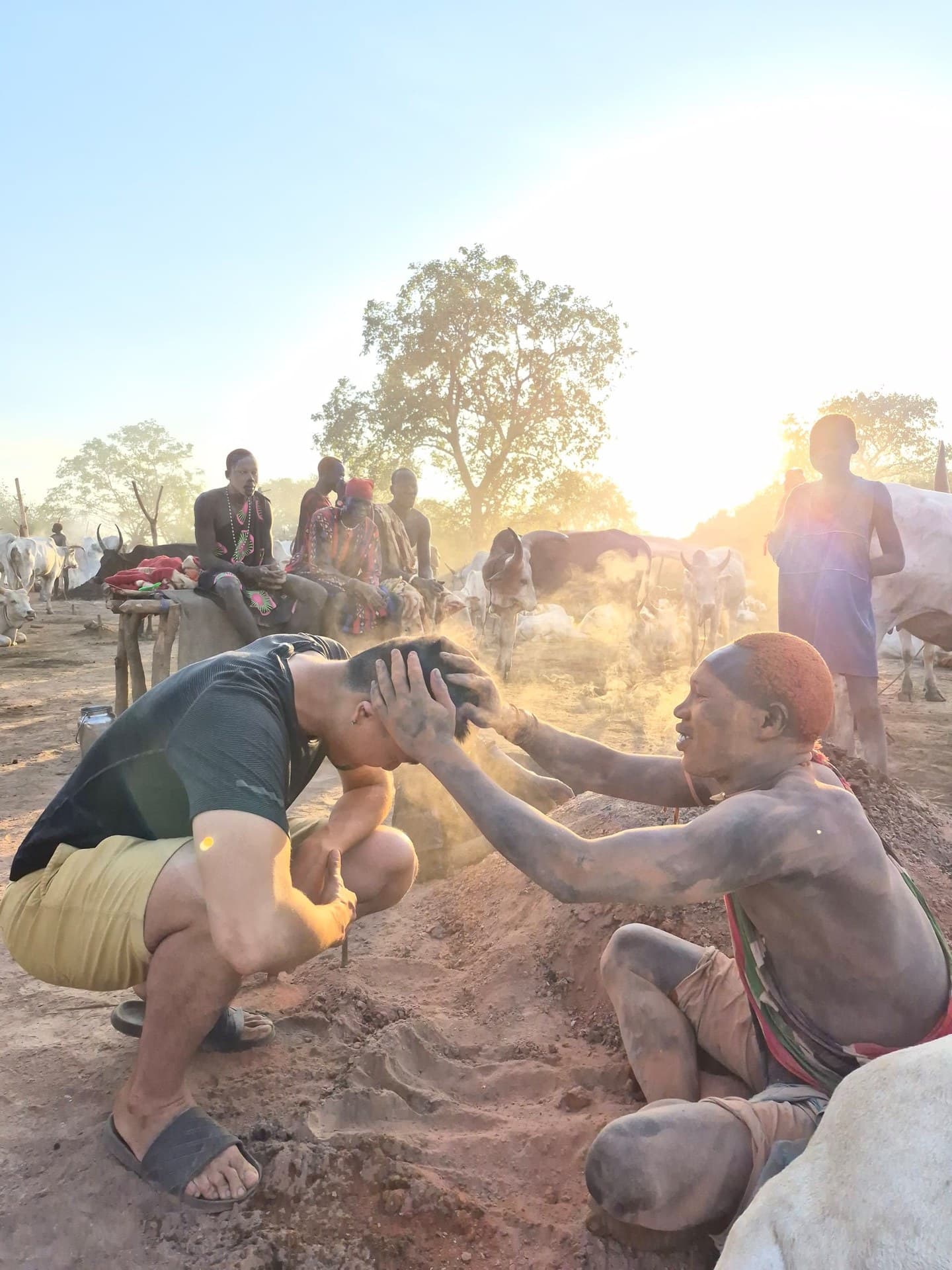
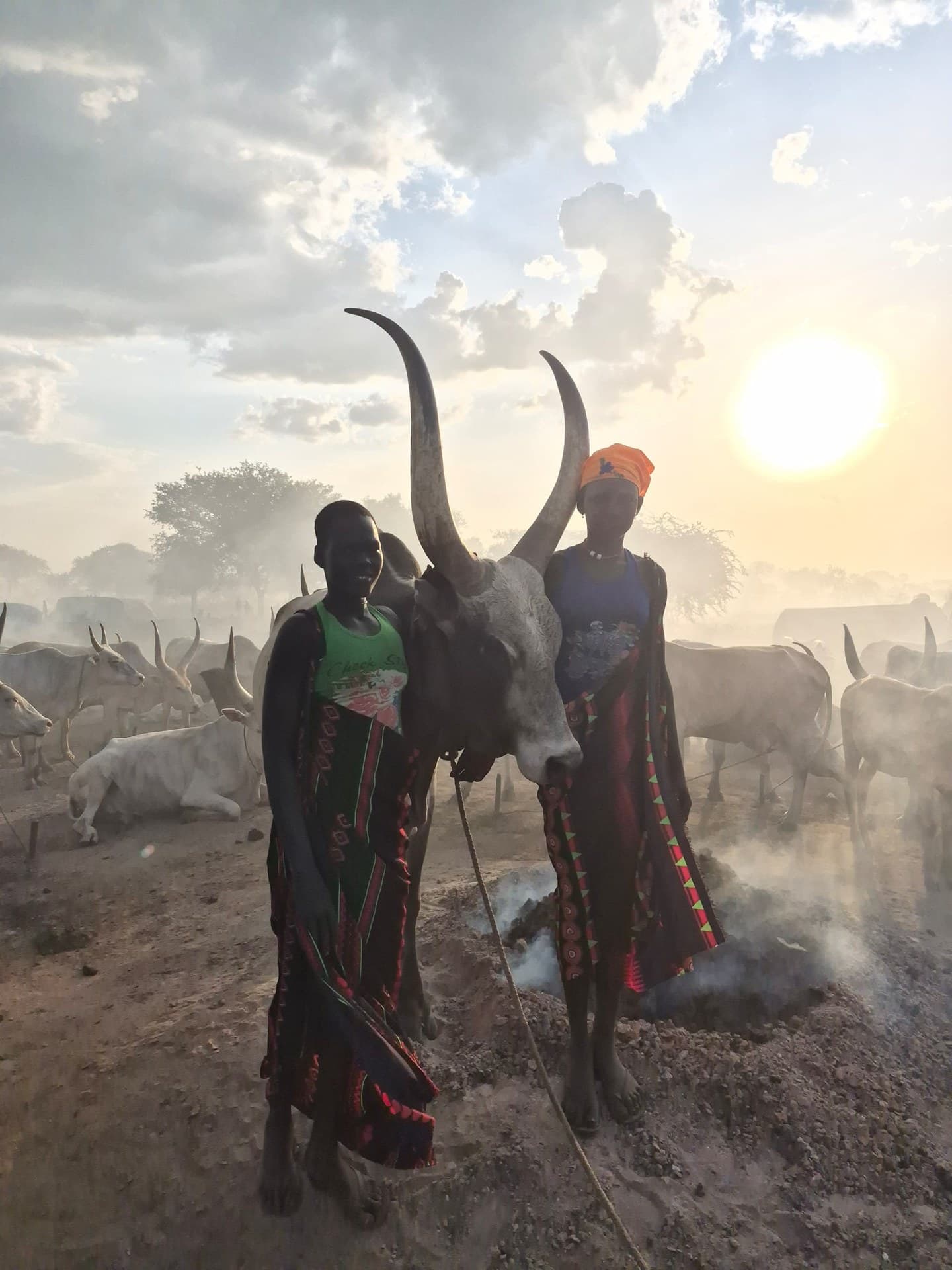
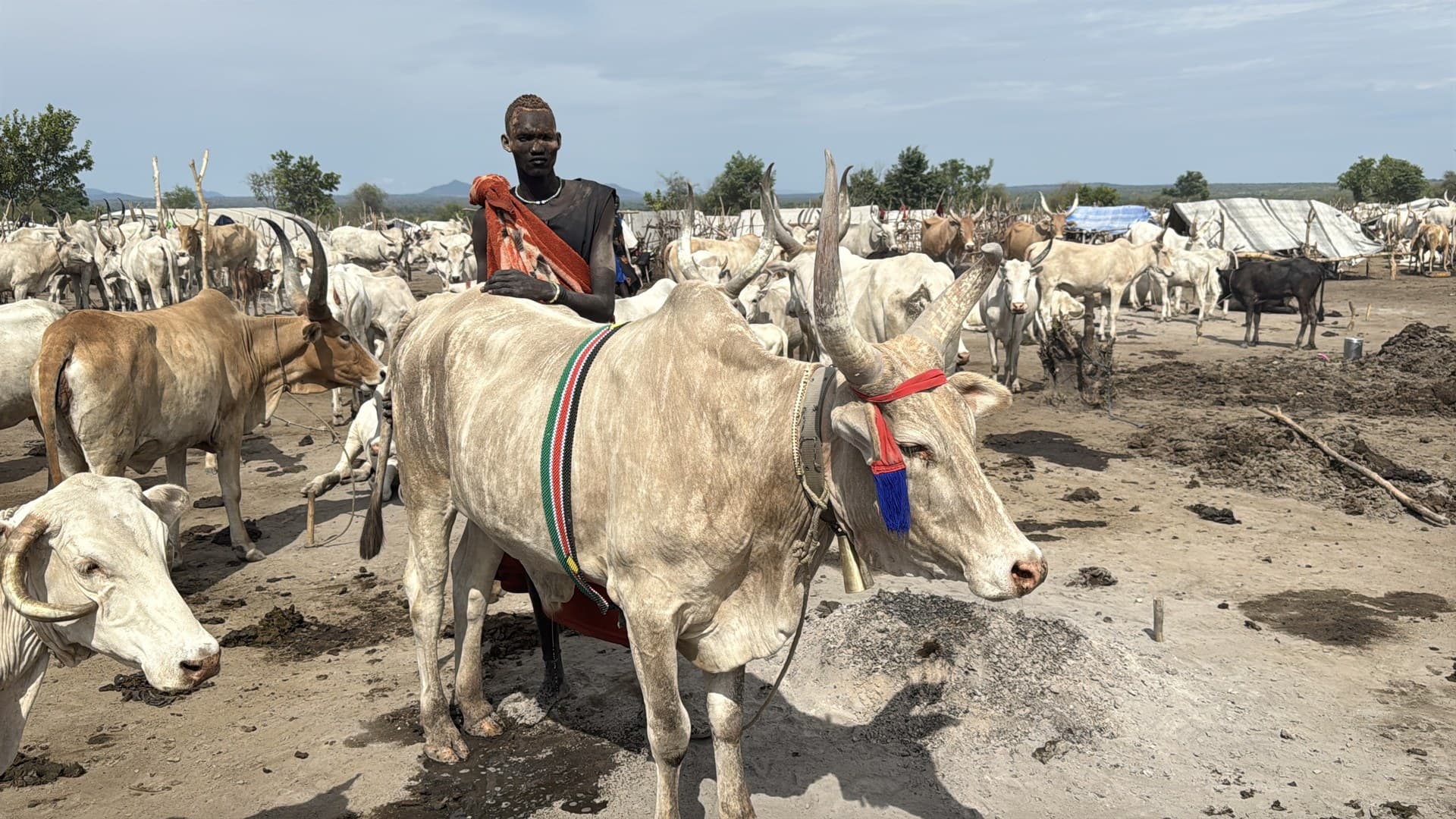
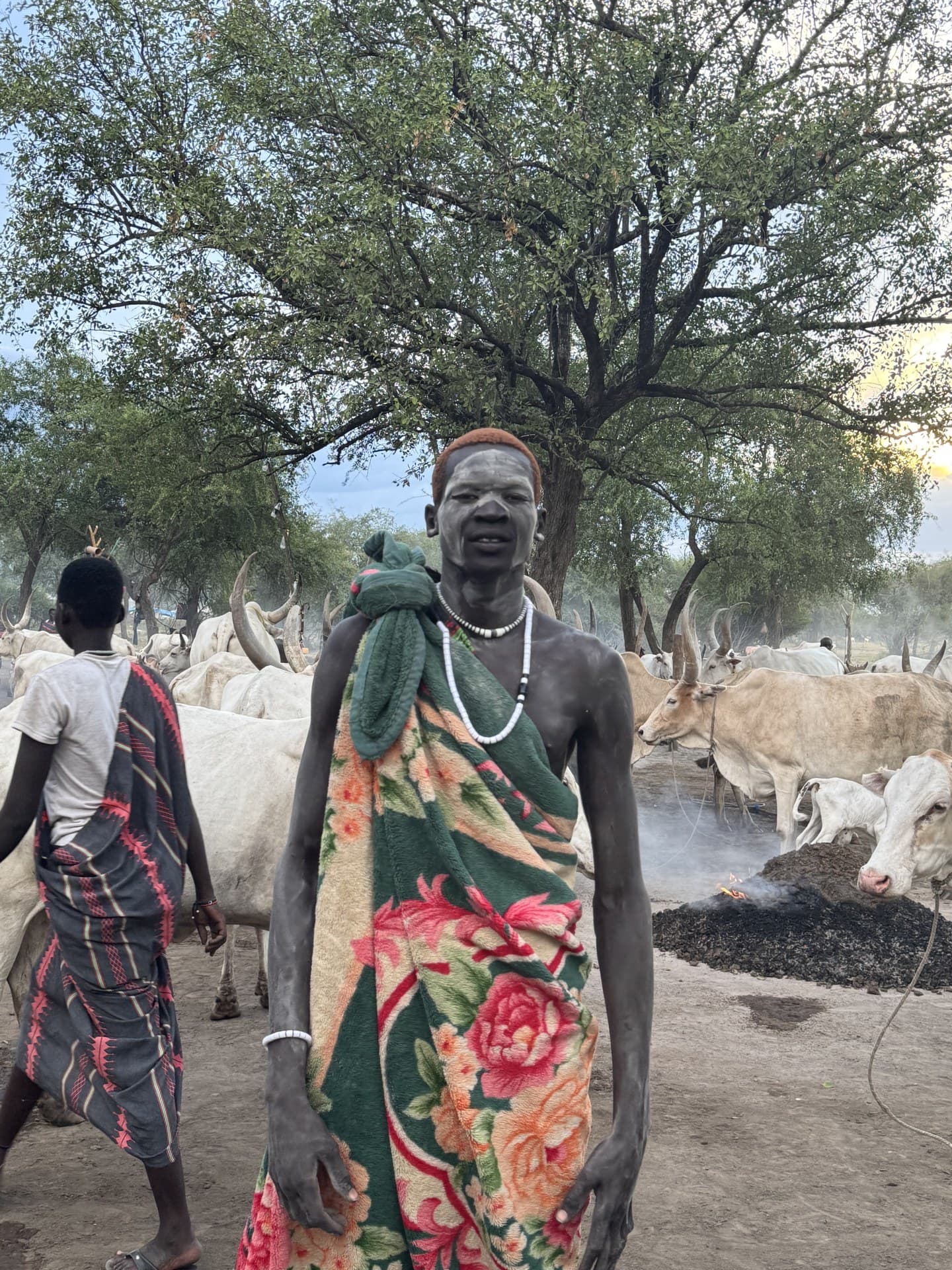
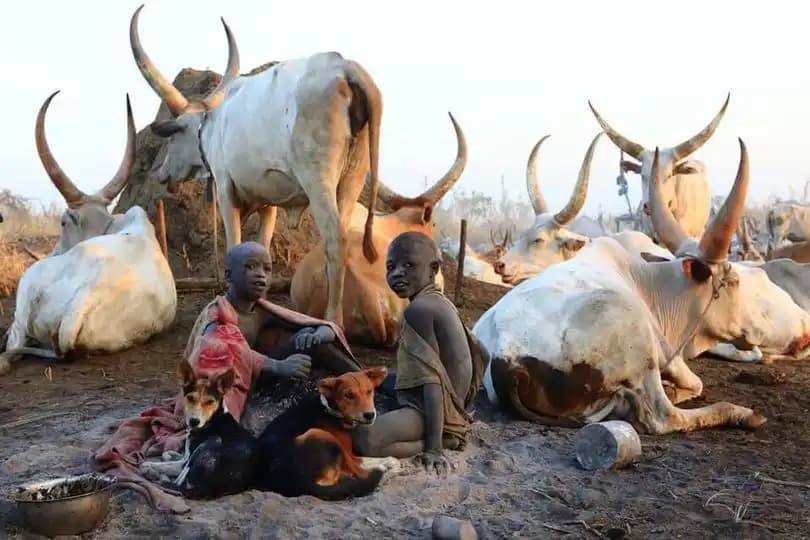
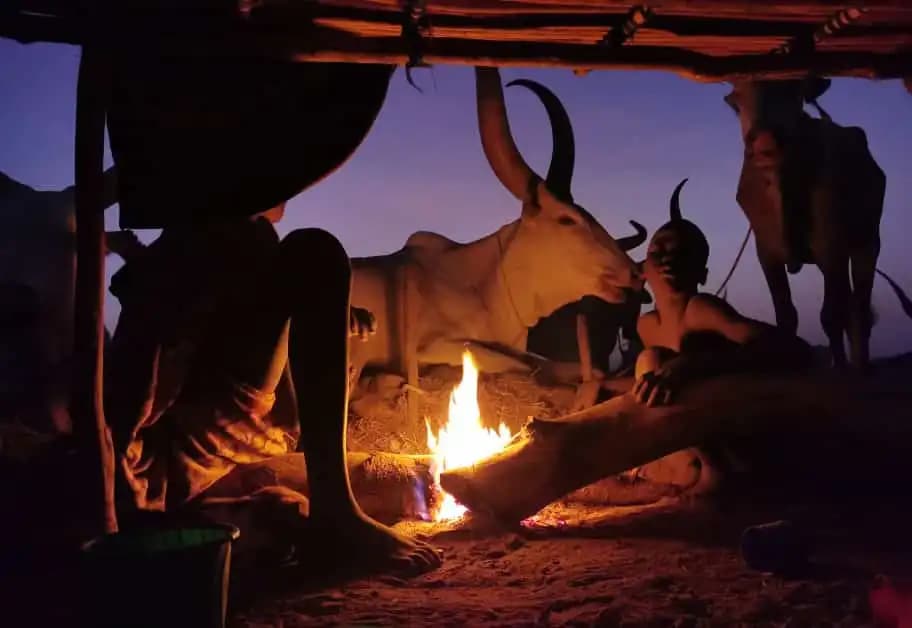
Arrive at Juba International Airport, where you will meet your guide and receive assistance with arrival procedures. After a short briefing, begin your journey north toward Mundari territory and the Terekeka area. Depending on your flight arrival time and road conditions, stop along the way to observe rural South Sudanese landscapes and traditional settlements. Continue to a Mundari cattle camp and settle into your tented accommodation. In the late afternoon, meet the local community and learn about their pastoral lifestyle and their strong cultural relationship with cattle. The highlight of the afternoon is watching the cattle return to the camp around sunset. Thousands of long-horned cattle, herders and the atmospheric smoke from traditional cattlecamp fires create exceptional cultural and photographic opportunities. Overnight: Tented camp near the Mundari cattle camp Meals: Dinner
- Transportation
- Private 4x4 vehicle + security scout
- Meals
- Dinner
- Overnight
- Tented camp near the Mundari cattle camp
What's Included
Included
- Airport pickup and drop-off in Juba
- Private 4×4 transportation
- Professional English-speaking guide
- Juba city tour
- Mundari community/camp visit
- Local community and access fees
- Accommodation for 2 nights
- 1 night hotel in Juba
- 1 night tented accommodation at Mundari cattle camp
- Meals as specified in the itinerary
- Drinking water during the journey
- Camping equipment
- Government/local permits where applicable
- Local security arrangements where required
- All scheduled transfers
Not included
- International flights
- South Sudan visa and immigration fees
- Travel and medical insurance
- Personal expenses
- Alcoholic beverages
- Tips and gratuities
- Photography fees where separately required
- Meals and services not mentioned above
- Extra hotel nights
- Any activities not included in the itinerary
- Emergency evacuation or additional transport costs
What to Pack
Universal Essentials
Travel Documents & Health
- Passport (6+ months validity) and printed visa / e-visa
- Travel insurance documents incl. emergency evacuation cover
- Cash in USD (clean, post-2013 notes) plus a debit/credit card
- Personal medication, prescriptions and a basic first-aid kit
- Universal plug adapter (Ethiopia uses types C, E, F and L) and power bank
- Sunscreen (SPF 50), sunglasses and a wide-brim hat
- Refillable water bottle and hand sanitiser
Expedition Gear & Clothing
Tribal Immersion Edition
- Modest, breathable clothing (shoulders and knees covered)
- Small-denomination birr for photography fees in villages
- Insect repellent with DEET and long sleeves for dusk
- Dust-proof bag for camera gear on rough roads
- Malaria prophylaxis (consult your doctor before travel)
Hosted Directly by Our Ground Staff
Our operational headquarters is in Kazanchis, Addis Ababa. We own our vehicles, employ our drivers, and work with resident community liaisons across the Horn of Africa — no middlemen, no resellers.
Practical Realities
Cultural etiquette
In traditional communities, human connection always comes before cameras. Your guide introduces you to compound elders and ensures all photography contributions are settled transparently with the families hosting us.
Roads & driving conditions
Beyond major towns, travel involves unpaved gravel tracks and dry riverbed corridors. Our heavy-duty Land Cruisers feature reinforced suspension, with frequent pauses for viewpoints, tea stops, and roadside markets.
Connectivity & currency
Mobile data is intermittent outside regional towns. ATMs are scarce in rural outposts; your team will assist with exchanging Birr in Addis Ababa or regional banks.
Travel permits and local arrangements
Access to Mundari communities and cattle camps should be arranged in advance through the local tour operator and community representatives.
Photography
Always ask your guide before photographing people. Follow instructions regarding checkpoints, government buildings, security personnel and other restricted locations. Photography restrictions in Juba can be particularly important.
Accommodation
The Mundari night is a genuine cultural camping experience. Expect a simple tented camp rather than conventional hotel facilities.
Road conditions
Travel times to Mundari territory can vary considerably depending on the location of the cattle camps, road conditions and seasonal movements of the herds.
What to bring
Light breathable clothing, comfortable closed shoes, hat, sunscreen, insect repellent, flashlight/headlamp, personal medicines, camera equipment and sufficient cash for personal expenses.
Best travel period
The drier months are generally more comfortable for road travel and access to cattle camps, although the experience can be arranged at other times depending on local conditions.
Pricing basis
Per person, private group of 2–4; confirmed at booking.
Booking & Cancellation
Balance due 30 days before departure.
Full refund, zero questions asked.
50% refund 15–29 days before, 25% refund 7–14 days before, no refund within 7 days
Talk to the team who will run your trip in Addis Ababa. We can help plan every detail.