8 Days Mount Kilimanjaro Climbing Tour Itinerary (Machame Route)
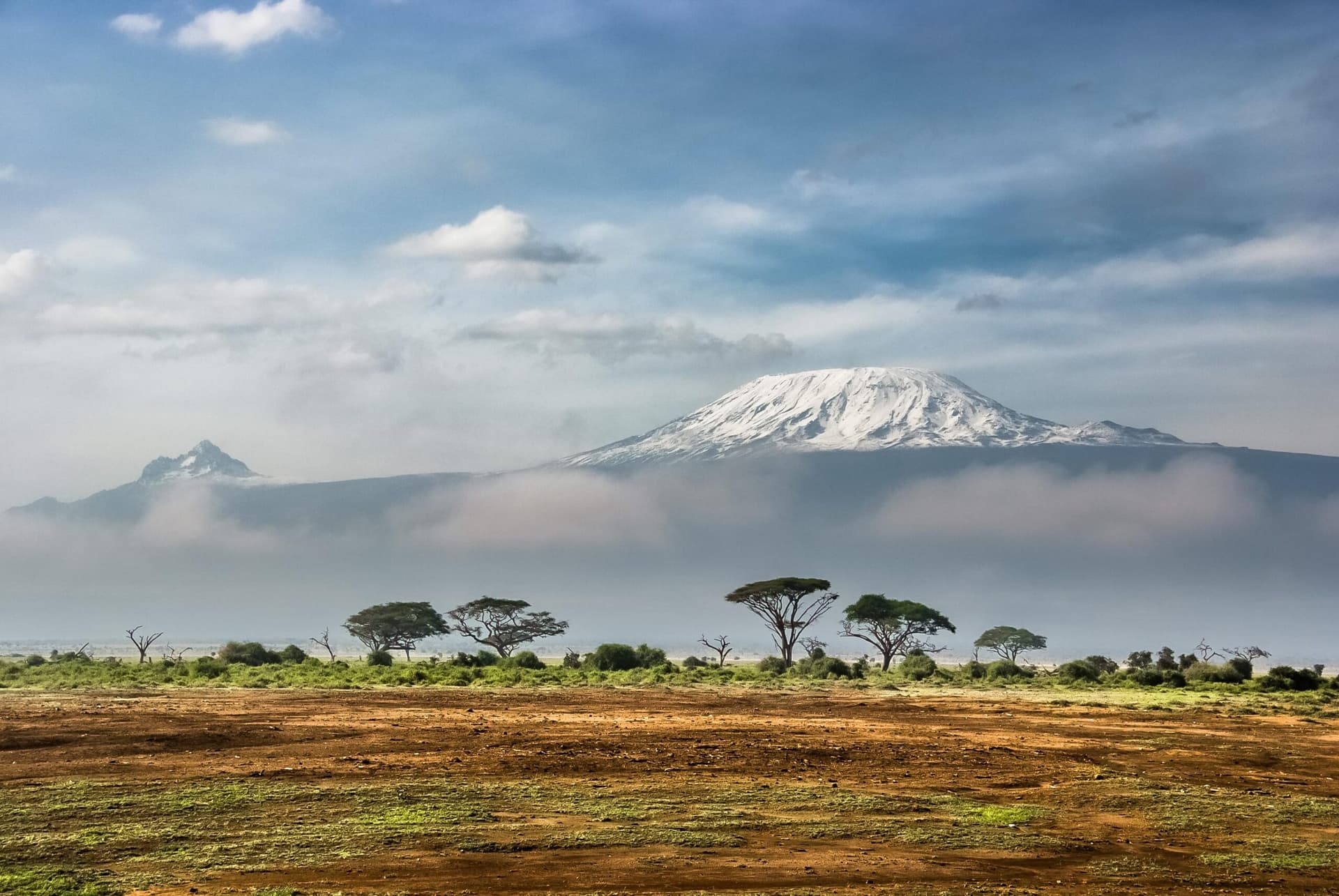
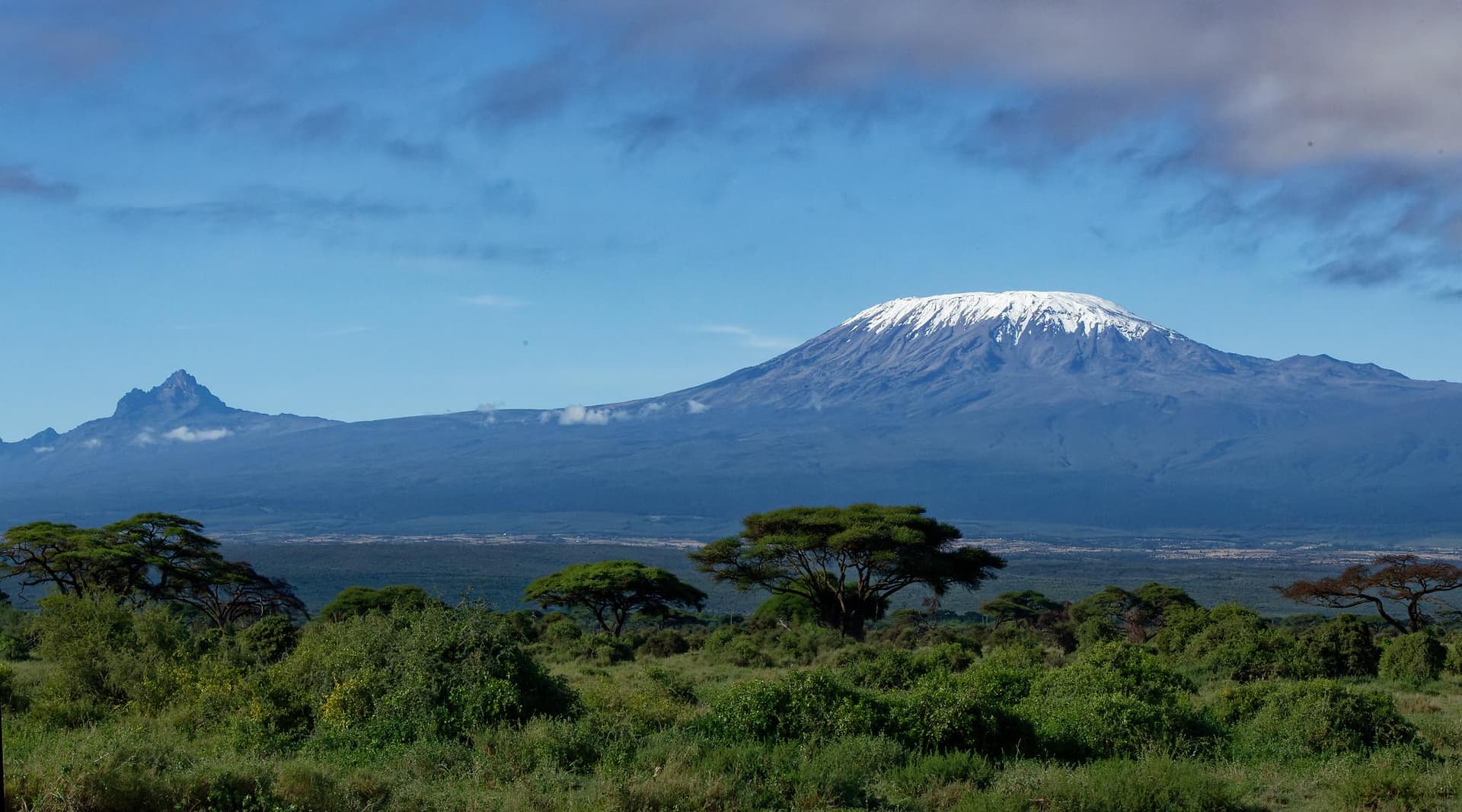
Journeying Across Tanzania
“The Horn of Africa is a living, resilient landscape — not an off-the-shelf tourist corridor. We build our routes around genuine conversations, weekly village market rhythms, and local elder protocols so that every journey remains respectful and directly beneficial to the communities who host us.”
The Journey
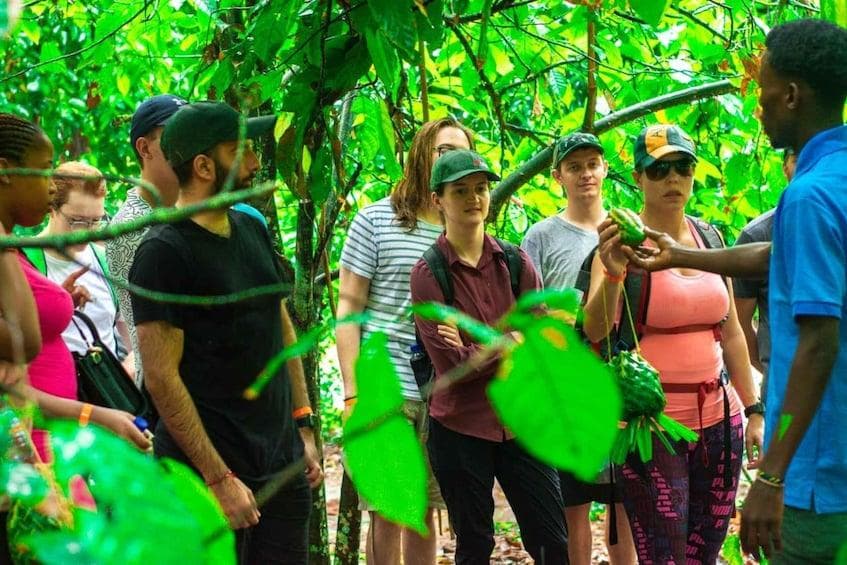
After breakfast, you will be picked up from your hotel in Arusha at approximately 8:00 AM and driven to Machame Gate, the starting point of your Kilimanjaro adventure. Following registration with the park authorities and a briefing from your mountain guide, begin your trek through the lush rainforest. The trail passes beneath giant trees covered with moss and colorful vegetation. Keep an eye out for black-and white colobus monkeys and a variety of bird species. After approximately 5–7 hours of hiking, arrive at Machame Camp, where your mountain crew will have your tents prepared. Enjoy dinner and your first overnight on the mountain.
- Transportation
- Private vehicle (Arusha → Machame Gate) + on-foot trekking
- Duration
- ~5–7 hrs
- Meals
- Lunch, dinner
- Overnight
- Machame Camp (mountain tent), 3,000m
What's Included
Included
- Airport/hotel transfers
- Park entrance and conservation fees
- Professional English-speaking mountain guide
- Assistant guides and experienced porters
- Mountain cook
- Camping accommodation
- High-quality mountain tents
- Sleeping mattress
- All meals during the climb
- Safe drinking water
- Summit certificate
- Rescue fees
- Government taxes
Not included
- International and domestic flights
- Tanzania visa
- Travel insurance (mandatory)
- Personal trekking equipment
- Sleeping bag (available for rent)
- Tips for guides, porters, and cook
- Personal expenses
- Alcoholic and soft drinks
- Hotel accommodation before or after the climb (unless specified)
What to Pack
Universal Essentials
Travel Documents & Health
- Passport (6+ months validity) and printed visa / e-visa
- Travel insurance documents incl. emergency evacuation cover
- Cash in USD (clean, post-2013 notes) plus a debit/credit card
- Personal medication, prescriptions and a basic first-aid kit
- Universal plug adapter (Ethiopia uses types C, E, F and L) and power bank
- Sunscreen (SPF 50), sunglasses and a wide-brim hat
- Refillable water bottle and hand sanitiser
Expedition Gear & Clothing
Mountain Trekking Edition
- Broken-in waterproof trekking boots and trekking poles
- Warm down jacket, fleece, hat and gloves (nights below 5°C)
- Waterproof shell jacket and trousers
- Sleeping bag rated to −5°C (camps above 3,000 m)
- Blister kit, altitude medication advice from your doctor
- Daypack (25–30 L) with rain cover
Hosted Directly by Our Ground Staff
Our operational headquarters is in Kazanchis, Addis Ababa. We own our vehicles, employ our drivers, and work with resident community liaisons across the Horn of Africa — no middlemen, no resellers.
Practical Realities
Cultural etiquette
In traditional communities, human connection always comes before cameras. Your guide introduces you to compound elders and ensures all photography contributions are settled transparently with the families hosting us.
Roads & driving conditions
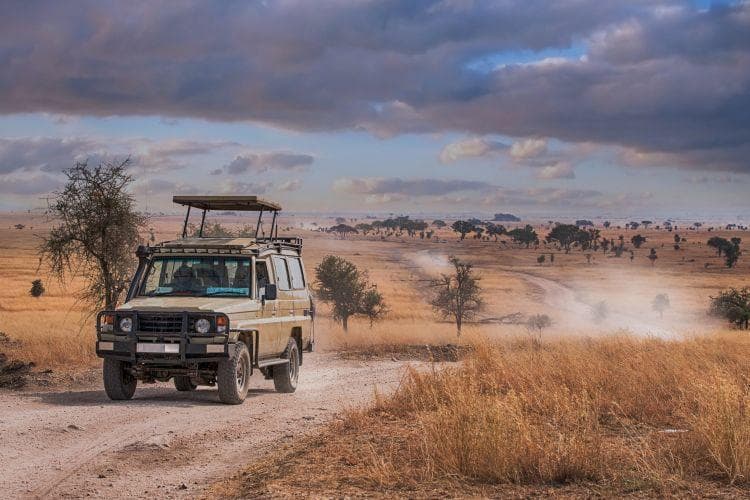
Beyond major towns, travel involves unpaved gravel tracks and dry riverbed corridors. Our heavy-duty Land Cruisers feature reinforced suspension, with frequent pauses for viewpoints, tea stops, and roadside markets.
Connectivity & currency
Mobile data is intermittent outside regional towns. ATMs are scarce in rural outposts; your team will assist with exchanging Birr in Addis Ababa or regional banks.
Fitness
No technical climbing skills are required, but a good level of cardiovascular fitness and several months of hiking preparation are strongly recommended.
Altitude
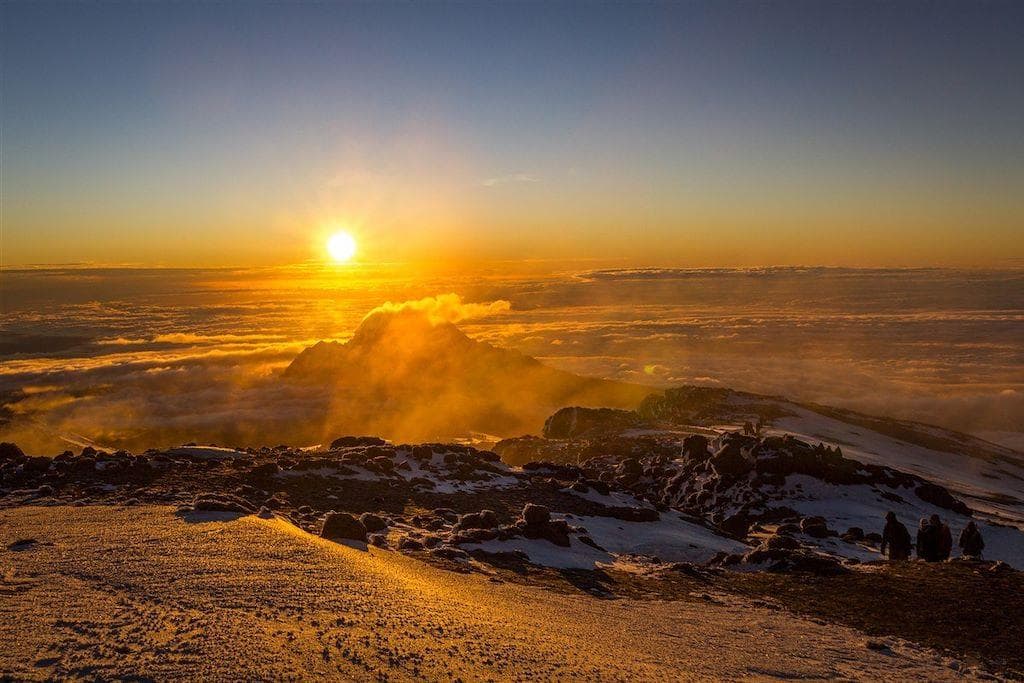
This is a genuine high-altitude trek reaching 5,895m; altitude sickness (AMS) is a real risk regardless of fitness level. Discuss altitude medication (e.g. Diamox) with a travel-health doctor before departure, and tell your guide immediately about any symptoms — guides are trained to assess and, if necessary, arrange descent.
Hydration
Drink at least 3–4 liters of water daily on the mountain; your crew boils and filters water from mountain streams.
A yellow fever certificate may be requested depending on your routing, and malaria prophylaxis is recommended for all mainland parks. Comprehensive travel insurance covering medical evacuation is strongly advised, especially for the Kilimanjaro climb.
Packing list — waterproof hiking boots; warm layered clothing; down jacket; thermal base layers; waterproof jacket and trousers; gloves and a warm hat; headlamp with spare batteries; trekking poles; sunglasses and sunscreen; a 30–40L daypack; a duffel bag for porters; personal medications and toiletries; a reusable water bottle or hydration system.
Porter welfare
Safarisway follows standard Kilimanjaro porter-welfare guidelines on maximum carry weight, food and shelter; tipping guides, porters and cooks at the end of the climb is customary and appreciated.
Booking & Cancellation
Balance due 30 days before departure.
Full refund, zero questions asked.
50% refund 15–29 days before, 25% refund 7–14 days before, no refund within 7 days
Talk to the team who will run your trip in Addis Ababa. We can help plan every detail.