- Travel Guide
- September 22, 2026
- By Safarisway Expedition Team
Few countries pack in three headline experiences as distinct as Tanzania does: the Serengeti-Ngorongoro safari circuit, Africa's highest freestanding mountain, and the Indian Ocean island of Zanzibar with its UNESCO-listed Stone Town. Each works as a standalone trip, and all three combine well if you have ten days or more.
Best Time to Visit: The Migration, Kilimanjaro and Zanzibar Seasons
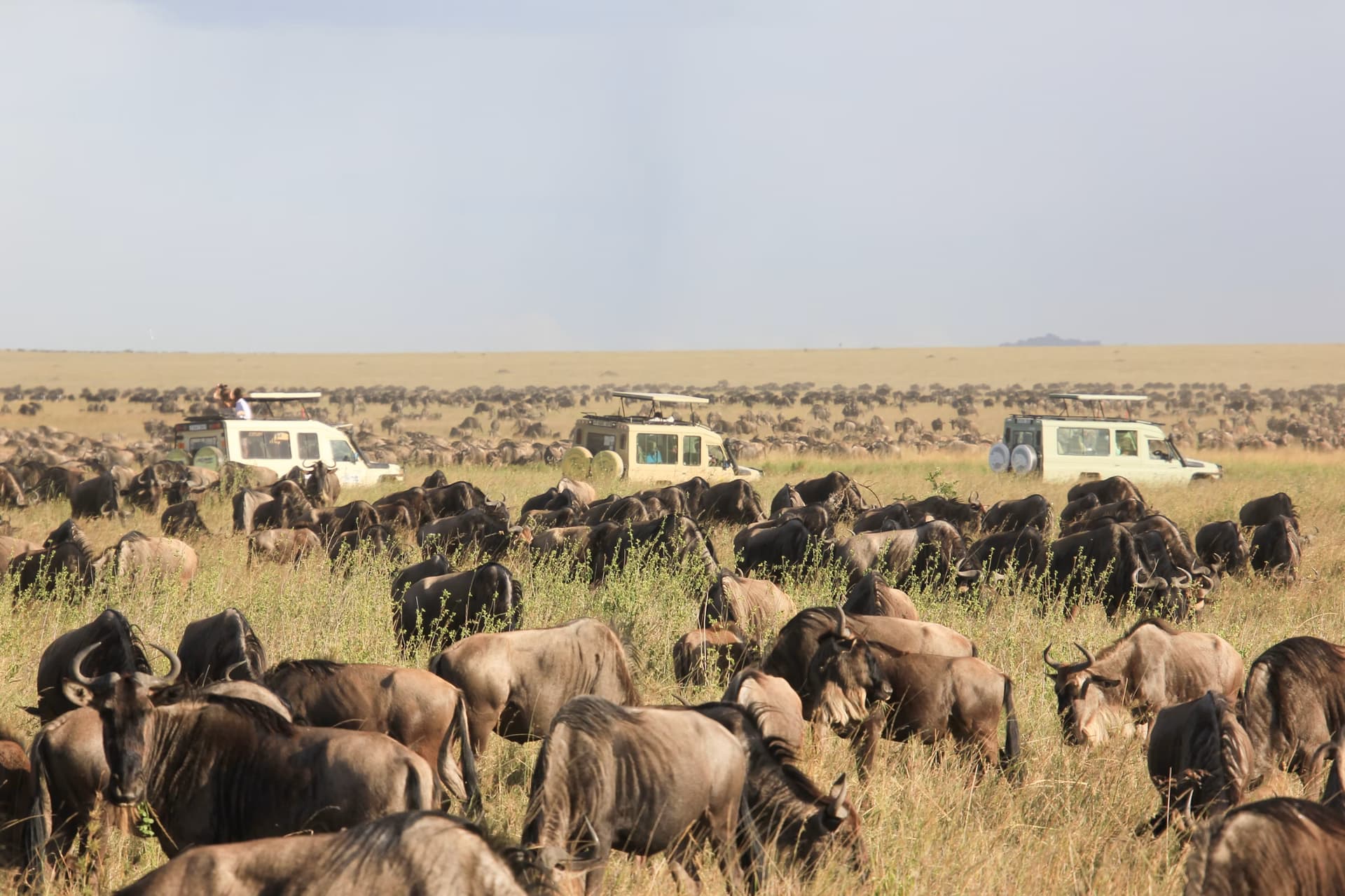
The Great Migration moves through the Serengeti ecosystem in a roughly annual loop: calving season is centered on the southern Serengeti and Ndutu area from around January to March, the herds move north through the western corridor and Grumeti area around May–June, and the famous Mara River crossings on the Serengeti's northern edge typically happen from July through October. Because the migration is a living process rather than a fixed schedule, exact positioning shifts year to year with the rains. For Kilimanjaro, the two main climbing windows are January–March and June–October, avoiding the long and short rains. Zanzibar's driest, sunniest stretches are roughly June–October and December–February, with heavier rain typically falling April–May.
Visa and Entry Requirements
Tanzania operates its own e-Visa system for many nationalities, allowing an online application ahead of arrival; note that Tanzania is not part of the separate East Africa Tourist Visa scheme that covers Kenya, Uganda and Rwanda, so if you're combining Tanzania with those countries you'll need to handle Tanzanian entry separately. Confirm current eligibility and fees on Tanzania's official immigration portal before booking flights.
Getting There
Julius Nyerere International Airport (DAR) in Dar es Salaam is the main international gateway for Zanzibar-focused and coastal itineraries, while Kilimanjaro International Airport (JRO), between Arusha and Moshi, is the more convenient arrival point for the northern safari circuit and Kilimanjaro climbs. Zanzibar's own Abeid Amani Karume International Airport (ZNZ) has direct international connections as well as short domestic hops from the mainland. Arusha itself, roughly 45 minutes from JRO, functions as the northern circuit's practical base — most safaris and Kilimanjaro climbs start and end there, and it's a sensible place to spend an arrival or departure night rather than pushing straight through to the parks on a long-haul jet-lagged first day.
Ngorongoro Crater vs. the Serengeti
These two are often mentioned in the same breath but work differently. The Ngorongoro Crater is a collapsed volcanic caldera roughly 20km across, with a resident, largely non-migratory wildlife population — including a real chance of spotting the endangered black rhino — packed into a relatively small, high-density area, visited on a single, tightly regulated day trip down onto the crater floor. The Serengeti, by contrast, is vast, open plains country where the Great Migration and its predators move over huge distances, and multi-day exploration rather than a single day trip is how most visitors experience it. Most itineraries, including ours, pair the two precisely because they show such different sides of Tanzania's ecosystem in a short space of time.
Beyond the Northern Circuit
Serengeti, Ngorongoro, Tarangire and Manyara make up Tanzania's "Northern Circuit" and the large majority of first-time visitor itineraries, including ours. Tanzania also has a substantial, far less visited Southern and Western Circuit — Nyerere National Park (formerly Selous), Ruaha, and chimpanzee trekking at Mahale Mountains on Lake Tanganyika — which suits repeat visitors or anyone specifically seeking a quieter, less-touristed safari experience, generally at the cost of longer and more expensive internal flights to reach.
Where to Go
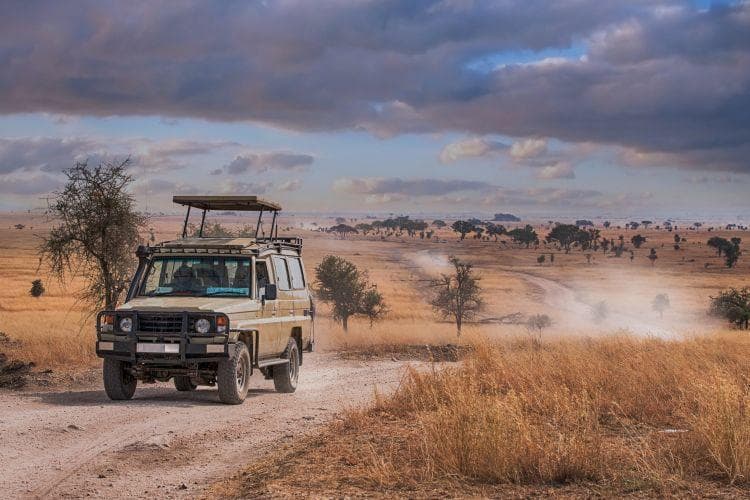
- Serengeti & Ngorongoro Crater — the core safari circuit: endless plains for predator and migration viewing in the Serengeti, and the Ngorongoro Crater's dense, contained wildlife population in what is effectively a collapsed volcanic caldera. See our 4-Day Central Serengeti & Ngorongoro Crater Safari or the longer 5-Day Great Migration Safari.
- Tarangire & Lake Manyara — a shorter, more budget-friendly circuit known for large elephant herds and baobab-studded landscapes (Tarangire) and tree-climbing lions and flamingos on the Rift Valley floor (Manyara). Our 3-Day Tarangire & Lake Manyara Safari is a good fit for shorter trips.
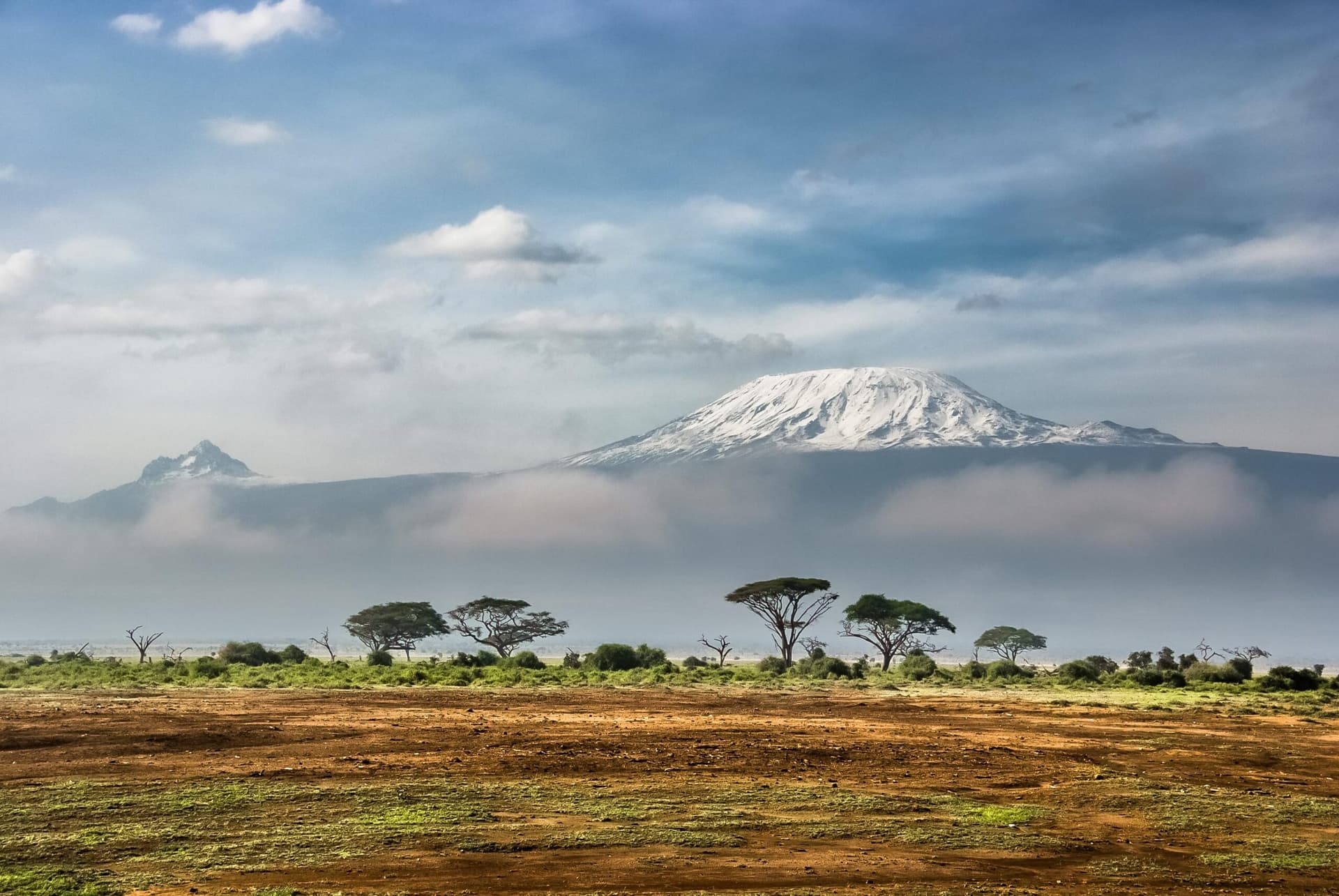
- Mount Kilimanjaro — Africa's highest peak at 5,895m, climbable without technical mountaineering gear via routes like Machame. Our 8-Day Kilimanjaro Climb (Machame Route) builds in the extra acclimatization days that meaningfully improve summit success rates.
- Zanzibar — Stone Town's UNESCO-listed old town and spice-trade history, paired with the island's beaches. Our 5-Day Zanzibar Stone Town & Beach Heritage Tour covers both sides of the island.
- Overland Kenya–Tanzania–Zanzibar — for travelers who want the full arc in one trip, our 13-Day Nairobi to Zanzibar Overland Tour links the Mara, the northern Tanzania circuit and Zanzibar by road and a short flight.
Money and Costs
Tanzania safaris and Kilimanjaro climbs typically cost more per day than comparable Kenyan itineraries, mainly because government park and conservation fees are higher and are charged per person per day regardless of how long you stay in the park that day. These fees fund the Ngorongoro Conservation Area Authority, Tanzania National Parks (TANAPA), and Kilimanjaro National Park directly, so they're a genuine cost driver rather than a markup. The currency is the Tanzanian Shilling (TZS), though US dollars are commonly used for park fees, climbing permits and many lodge bills — bring clean, newer-series notes, as older or damaged bills are frequently refused. Zanzibar, by contrast, can be priced quite affordably outside peak December–January and July–August weeks. Tipping is customary throughout — for a Kilimanjaro climb, this typically includes the guide, assistant guides, cook and porters as a team, usually calculated as a daily rate per role and pooled at the end of the trek.
Kilimanjaro: Altitude, Not Difficulty, Is the Challenge
Climbers sometimes assume Kilimanjaro requires technical mountaineering skill because of its height; in practice, the standard trekking routes are a long, steep walk rather than a climb requiring ropes or crampons. The real obstacle is altitude — Kilimanjaro rises from roughly 1,800m at the gate to 5,895m at Uhuru Peak, and altitude sickness can affect fit, experienced hikers as easily as beginners. Choosing a longer route with more acclimatization days (our 8-day Machame itinerary is built this way rather than the faster 6-day version some operators offer) is the single biggest factor most climbers can control to improve their summit chances and overall experience.
Health Precautions
A yellow fever vaccination certificate is required for entry if you're arriving from a country with risk of transmission, and is worth carrying regardless in case of spot checks. Malaria risk applies across most of mainland Tanzania below altitude, including the safari circuit and Zanzibar, so antimalarial medication and standard mosquito precautions (repellent, covering up at dusk) are standard advice — Kilimanjaro's upper slopes, above the malaria zone, are the exception. For the climb itself, it's worth discussing altitude sickness medication and a realistic assessment of your chosen route's pace with a travel doctor before you go, since the difference between a 6-day and 8-day itinerary on the same route is almost entirely about acclimatization time.
Wildlife Beyond the Big Five
Tanzania's parks reward slowing down beyond a Big Five checklist. Ngorongoro Crater is one of the more reliable places in East Africa to spot the endangered black rhino, alongside dense concentrations of lion and spotted hyena. Lake Manyara's flamingo flocks and tree-climbing lions are a genuinely distinctive combination rarely seen together elsewhere, and Tarangire's dry-season elephant herds, drawn to the Tarangire River, can number in the hundreds. The Serengeti's resident cheetah population, which hunts by sight on the open plains rather than relying on cover, is often easier to observe here in good light than in denser bush environments — a good reminder that the "off-season" for the migration itself is often prime time for everything else the ecosystem has to offer.
Zanzibar: Culture and Etiquette
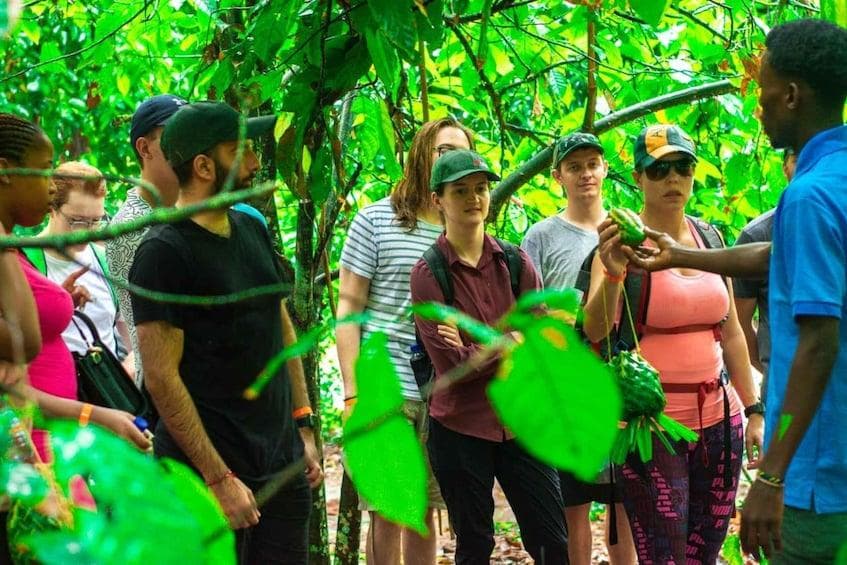
Zanzibar is predominantly Muslim, and Stone Town in particular is a place where modest dress (shoulders and knees covered) is appreciated, especially away from the beach resorts and during Ramadan, when some restaurants adjust their daytime hours. The spice plantations that gave the island its historic "Spice Island" name are still active and make for a genuinely interesting half-day visit, and the old town's narrow alleys, carved wooden doors and mixed Swahili-Arab-Indian-European architecture reward slow, unhurried exploring rather than a rushed walking tour.
A Sample Route Combining All Three
Travelers with 10–14 days sometimes fly into Kilimanjaro International Airport, spend 4–5 days on the Serengeti-Ngorongoro safari circuit, climb Kilimanjaro over 6–8 days (for those set on the summit), and finish with several days decompressing on Zanzibar's beaches before flying out — though few people combine a full Kilimanjaro climb with everything else in one trip given the physical toll. A more common and very workable combination is safari plus Zanzibar, without the mountain, which our 13-Day Nairobi to Zanzibar Overland Tour is built around.
Planning Your Tanzania Trip
A safari-only trip works well in 4–5 days; adding Kilimanjaro or Zanzibar is best treated as its own dedicated block of days rather than squeezed in, given travel time between regions. Browse the full Tanzania tour collection or the Wildlife Safari and Mountain Trekking categories to compare options.
Tanzania combines the Serengeti-Ngorongoro safari circuit, Mount Kilimanjaro (5,895m, Africa's highest peak), and Zanzibar island. Migration river crossings typically occur July–October in the northern Serengeti; Kilimanjaro's main climbing windows are January–March and June–October; Zanzibar is driest June–October and December–February. Tanzania runs its own e-Visa system, separate from the East Africa Tourist Visa (Kenya/Uganda/Rwanda).
Frequently asked questions
When should I go to see the wildebeest river crossings in Tanzania?+
The dramatic Mara River crossings on the Serengeti's northern edge typically occur from July through October. Earlier in the year, roughly January to March, the southern Serengeti and Ndutu area are the place to be for calving season instead.
Do I need special gear to climb Kilimanjaro?+
Kilimanjaro's standard routes, including Machame, don't require technical mountaineering equipment like ropes or crampons, but do require proper cold-weather layering, sturdy broken-in boots, and a realistic itinerary with enough acclimatization days — altitude, not technical difficulty, is the main challenge.
Can I combine a Tanzania safari with Zanzibar and Kenya in one trip?+
Yes — this is a common combination. Zanzibar is a short flight or ferry from the Tanzanian mainland, and Tanzania's northern safari circuit connects to Kenya's Maasai Mara by road, which is how our 13-day Nairobi-to-Zanzibar overland itinerary links all three.
Is a visa required to visit Tanzania?+
Most visitors need a visa, which can typically be arranged through Tanzania's e-Visa system ahead of travel. Tanzania is separate from the East Africa Tourist Visa that covers Kenya, Uganda and Rwanda, so confirm Tanzania's specific requirements even if you already hold that regional visa.