- Travel Guide
- December 19, 2025
- By Safarisway Expedition Team
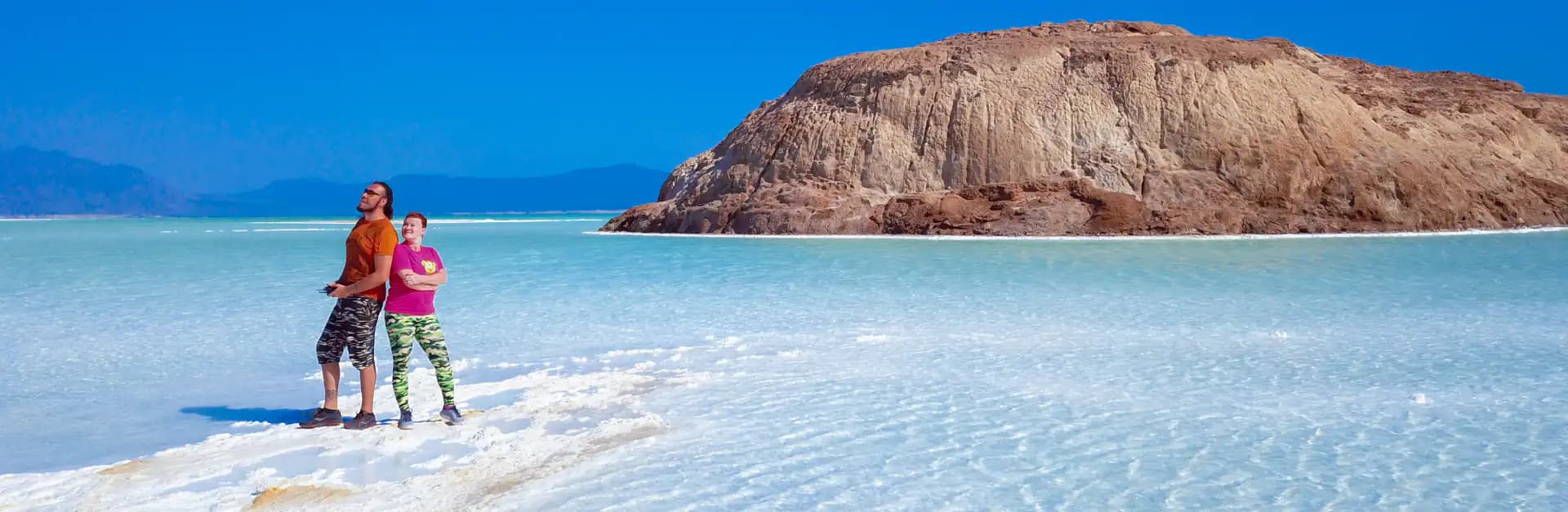
Djibouti may be one of Africa's smallest countries, but it delivers an outsized landscape: salt lakes below sea level, coral reefs patrolled by whale sharks, volcanic desert, and pockets of mountain forest. Sitting at the crossroads of Africa and the Middle East, it has long served as a cultural bridge, and travelers quickly notice the blend of African, Arab, and French influences in the food, language, and architecture of Djibouti City.
Quick Facts About Djibouti
- Location: Horn of Africa, bordered by Eritrea, Ethiopia, and Somalia.
- Capital: Djibouti City, the country's largest urban center.
- Languages: French and Arabic are the official languages; Somali and Afar are widely spoken.
- Currency: Djiboutian franc (DJF).
- Climate: Semi-arid and hot year-round; the most comfortable months to visit are November to March.
- Population: Approximately 1.1 million, with Somali, Afar, and Arab communities.
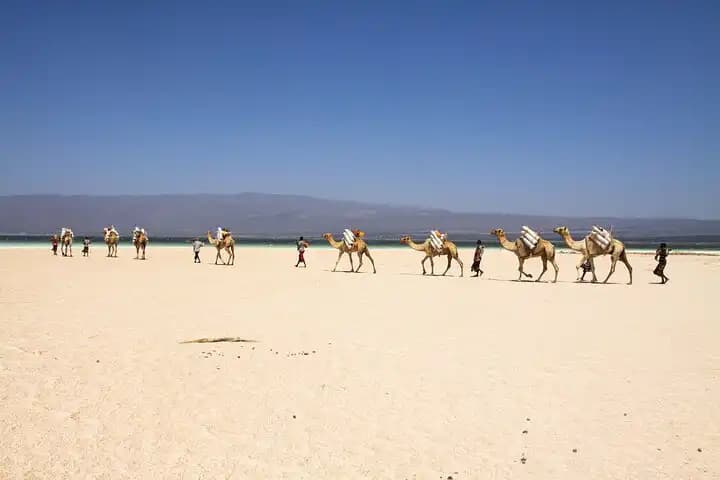
- Geography: Fronts the Gulf of Aden and the Red Sea, with striking geological formations including Lake Assal, one of the lowest points in Africa.
- Wildlife: Rich marine life, including dolphins, whale sharks, and a wide variety of reef fish.
- Top attractions: Lake Assal, Day Forest National Park, and the historic port town of Tadjoura.
Useful Information for Visitors
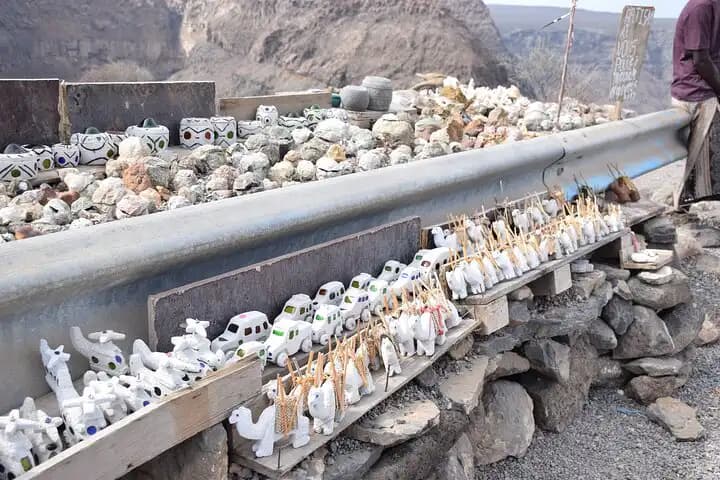
Djibouti is a strategic hub for international shipping and several foreign military bases, which shapes both its economy and its cosmopolitan feel. Local cuisine blends Somali, French, and Arab flavors — try skoudehkaris, a spiced rice dish, and fresh Red Sea seafood. Djibouti City's markets are worth a visit for local crafts and spices. As in most of the region, dress modestly, particularly outside the capital.
Visa Requirements
Most travelers need a visa to enter Djibouti. An online eVisa is available for many nationalities and is the simplest route, typically covering stays of up to 30 days. Your passport should be valid for at least six months beyond your arrival date. Because requirements can change, confirm current rules with an official government source before booking.
Best Time to Visit
The most comfortable months are December through February, when daytime temperatures sit between 25°C and 30°C. If diving or snorkeling is the priority, aim for October to January, when the water is clearest. From June to September, temperatures regularly climb past 45°C, which makes most outdoor activity impractical.
Safety Tips
Djibouti is generally stable, but a few precautions are worth taking:
- Health: Take standard precautions against malaria and dengue, drink bottled water, and stay alert in crowded areas.
- Petty crime: Keep valuables secure in busy markets to avoid pickpocketing.
- Border areas: Exercise added vigilance near the borders with Somalia and Eritrea.
- Traffic: Accident rates are relatively high; take care crossing roads and when driving.
Travel Costs in Djibouti (2026)
Djibouti is noticeably more expensive than its regional neighbors.
- Daily budget: Budget travelers should plan for $50–$70 per day, mid-range travelers $100–$150, and luxury travelers upwards of $200. Prices vary by season, so it's worth booking ahead.
- Flights: Round-trip tickets from Europe or Asia typically run $500–$1,000.
- Accommodation: Budget guesthouses cost $20–$40 a night, mid-range hotels $60–$100, and luxury stays exceed $200.
- Local transport: Public buses cost under $1; taxis range from $2 to $10.
Where to Stay in Djibouti City
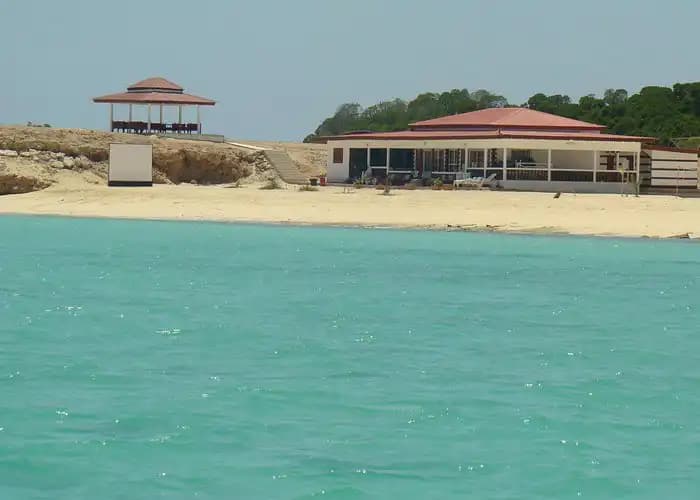
- Luxury: Sheraton Djibouti, with a private beach and Red Sea views, and Djibouti Palace Kempinski, an internationally branded 5-star property in the city center.
- Mid-range: Hôtel Les Acacias, centrally located with friendly service.
- Budget: Smaller guesthouses and locally run hotels in the city center offer basic, comfortable rooms; we can recommend specific options based on your travel dates.
What to Eat in Djibouti
Djibouti's cuisine combines Somali, Afar, and Yemeni influences. Key dishes include:
- Skoudehkaris: the national dish — lamb or goat cooked with aromatic rice.
- Lahoh: a pancake-like bread served for breakfast with honey or jam.
- Fah-fah: a spicy soup made with lamb, beef, and vegetables.
- Hilib ari: grilled or roasted goat, popular for festive occasions.
Djibouti Tours with Safarisway
Whether you have two days or twelve, Safarisway runs private, tailor-made Djibouti itineraries built around Lake Assal, Lake Abbé, whale shark season, and cross-border routes into Ethiopia and the Danakil:
- Lake Assal Day Trip from Djibouti
- Two Days: Lake Abbé & Assal Escape
- 3 Days Djibouti Tour
- 5-Day Djibouti Grand Circuit: Lac Abbé, Lac Assal & Whale Sharks
- 7 Days Complete Djibouti Adventure
- 10 Days Djibouti & Danakil: The Ultimate Horn of Africa Adventure
Getting Around
Navigating Djibouti offers an authentic, rugged adventure, but infrastructure is limited outside the capital. Within Djibouti City, the most common and economical way to get around is by using the local minibuses, affectionately known as 'daba-daba'. These operate on semi-fixed routes, are generally inexpensive, and provide a colourful introduction to daily local life, though they can be crowded and confusing for first-time visitors without a grasp of the local language. Taxis are also readily available in the capital; they do not use meters, so it is absolutely essential to negotiate and agree on the fare before starting your journey. For short trips around the city centre, walking is feasible in the cooler early morning or late afternoon, but the intense midday heat usually makes vehicles the better option.
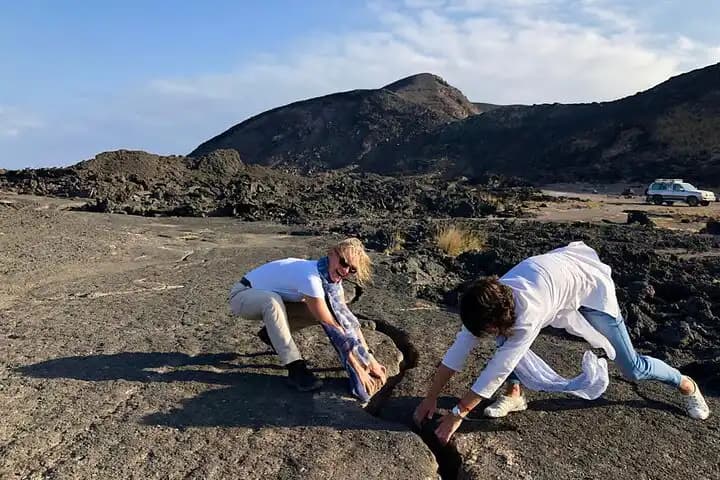
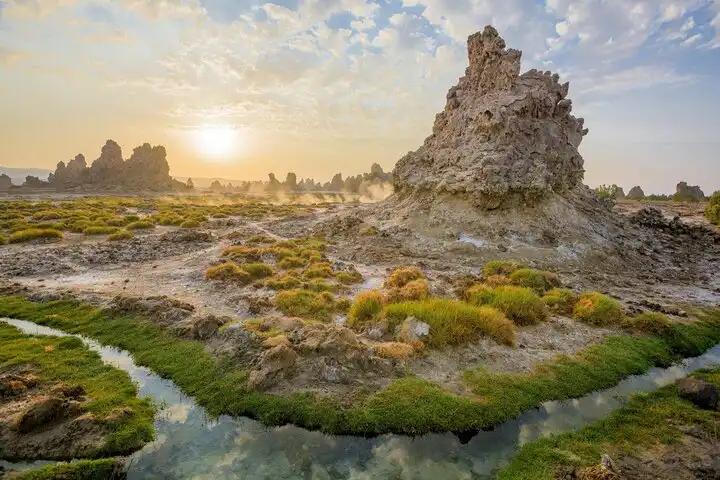
To truly experience the dramatic and otherworldly landscapes that make Djibouti famous, you must venture outside the capital, and for this, hiring a robust 4WD vehicle is not just recommended, it is mandatory. Public transport to major natural attractions like the hyper-saline Lake Assal, the volcanic Ardoukoba landscape, or the limestone chimneys of Lake Abbe is practically non-existent. Furthermore, the roads leading to these sites often transition from paved tarmac to rough, rocky tracks or deep sand. Renting a 4WD with an experienced local driver or booking an organized tour is the safest and most efficient way to travel. These drivers are adept at navigating the challenging terrain, handling the remote conditions, and ensuring you reach these spectacular geological wonders safely.
Best Time to Visit
Djibouti is renowned for its extreme climate, holding the title of one of the hottest countries on earth. Consequently, choosing the right time to visit is critical to enjoying your trip. The optimal window for travel is between November and March. During these 'cooler' winter months, daytime temperatures are more manageable, typically ranging from a pleasant 25°C to a warm 30°C (77°F to 86°F), accompanied by lower humidity levels. This makes exploring the volcanic landscapes, hiking, and participating in outdoor activities vastly more comfortable and enjoyable.
It is strongly advised to avoid the summer months from May to September. During this period, the scorching Khamsin wind sweeps across the country, and daytime temperatures routinely soar well above 40°C (104°F), frequently hitting 45°C (113°F) in the interior regions like Lake Assal. The extreme heat makes sightseeing exhausting and potentially dangerous, and many outdoor activities, including some boat trips, are severely curtailed. If your primary goal is to snorkel or dive with the magnificent whale sharks that congregate in the Gulf of Tadjoura, plan your visit between late October and February, when these gentle giants arrive to feed in the plankton-rich waters.
What to Expect
Djibouti is a fascinating cultural crossroads, where East African, Somali, Afar, French, and Arabic influences weave together to create a unique societal fabric. In the capital, you'll encounter a palpable French colonial legacy, evident in the architecture, the widespread availability of excellent baguettes and pastries, and the use of French as one of the official languages alongside Arabic. The atmosphere in Djibouti City is relatively cosmopolitan, bustling with international port traffic, military personnel from various overseas bases, and lively local markets.
However, it is vital to remember that Djibouti is a deeply conservative, predominantly Islamic nation. While the atmosphere may feel relaxed in high-end international hotels and beach resorts where Western swimwear is acceptable, very conservative dress is required once you step outside these enclaves. Both men and women should dress modestly, covering shoulders and knees. Tight or revealing clothing should be strictly avoided in public spaces, markets, and rural areas to show respect for local customs. When it comes to currency, the Djiboutian Franc (DJF) is the official money. It is pegged to the US Dollar, providing a stable exchange rate. US dollars are widely accepted in major hotels, upscale restaurants, and by tour operators, but you will need Djiboutian Francs for smaller purchases, local eateries, and markets.
Practical Tips
Preparing for the logistical realities of Djibouti will ensure a smoother trip. Cash is crucial. While a few major international hotels in Djibouti City may accept credit cards, the vast majority of the country operates entirely on cash. ATMs are available in the capital, but they can occasionally run out of cash or reject foreign cards, so it is wise to arrive with a sufficient supply of US dollars or Euros to exchange. Crucially, once you leave Djibouti City, ATMs are virtually non-existent. You must ensure you have enough local currency to cover all your expenses, including meals, tips, and any unexpected costs, before heading into the interior.
Connectivity can also be a challenge. While decent WiFi is generally available in the better hotels and some cafes in Djibouti City, do not expect reliable internet access once you venture into rural areas or head towards Lake Abbe and Lake Assal. Embrace the opportunity to disconnect and focus on the stunning natural surroundings. If you need to stay connected, purchasing a local SIM card (Evatis) upon arrival at the airport or in the city centre is the best option for mobile data, though coverage will still drop off significantly in remote regions. Finally, pack a comprehensive first-aid kit, strong sun protection, and a reusable water bottle, as staying hydrated in Djibouti’s arid climate is essential.
Horn of Africa Travel Insurance Checklist
Questions to ask before you buy a policy for Ethiopia, Eritrea, Djibouti or Somaliland.
Djibouti's most comfortable travel months run November to March; October to January offers the clearest water for diving and snorkeling with whale sharks. Most nationalities can apply for an eVisa online for stays of up to 30 days. Djibouti City is the main gateway and hub for day trips to Lake Assal (one of the lowest points in Africa) and Lake Abbé, with daily budgets ranging from roughly $50 for budget travelers to $200+ for luxury.
Frequently asked questions
Do I need a visa to visit Djibouti?+
Most travelers need a visa, but Djibouti offers an online eVisa for many nationalities that typically covers stays of up to 30 days. Your passport should be valid for at least six months, and it's worth confirming current requirements with an official source before booking, since rules can change.
When is the best time to visit Djibouti?+
December through February brings the most comfortable temperatures, generally 25–30°C during the day. For diving or snorkeling with whale sharks, aim for October to January when the water is clearest. If possible, avoid June to September, when temperatures regularly exceed 45°C.
Is Djibouti expensive to visit?+
Djibouti is noticeably pricier than its regional neighbors. Budget travelers should plan for roughly $50–$70 a day, mid-range travelers $100–$150, and luxury travelers upwards of $200, with round-trip flights from Europe or Asia typically running $500–$1,000.
What can you see on a short Djibouti trip?+
Even a two- or three-day trip can cover Lake Assal and Lake Abbé's striking volcanic landscapes. Longer itineraries of five to twelve days add whale shark encounters, Tadjoura, and cross-border routes into Ethiopia's Danakil Depression.