- Travel Guide
- December 7, 2025
- By Safarisway Expedition Team
Eritrea is one of Africa's most tightly controlled and least-visited countries, and that isolation is precisely why it rewards the effort of visiting: Asmara's Italian-era Art Deco streets remain remarkably intact, the Dahlak Archipelago's islands see a fraction of the visitors of comparable Red Sea destinations, and travel here still feels like a genuine discovery rather than a well-worn circuit. It does require more planning than most destinations — this guide covers what you need to know before booking.
Preparing for Your Trip
Eritrea's entry requirements are stricter than most of its neighbors, so plan ahead:
- Visas: All visitors need a visa before arrival. Traveling through a tour operator typically means a Letter of Invitation (LOI) and a visa on arrival, historically around $70 USD in cash — confirm the current fee and process with us before booking, since Eritrean entry rules can change with limited notice.
- Travel permits: Asmara itself can be explored freely, but any travel outside the capital — to Massawa, Keren, or the Dahlak Islands — requires a physical permit from the Ministry of Tourism, arranged in advance through a licensed local operator. Permits are typically processed within about 24 hours.
- Currency and cash: Eritrea uses the Nakfa (ERN), and the country runs almost entirely on cash — international ATMs don't function and credit cards aren't accepted, so bring sufficient USD or EUR cash for your whole trip.
- Connectivity: Internet access is limited and slow by international standards. Most travelers end up largely offline for the trip — worth planning for in advance rather than treating as a surprise.
- Altitude: Asmara sits above 2,300 meters, so mild altitude effects (light headache, fatigue) are possible on arrival. Drink plenty of water, take it easy on day one, and make sure routine vaccinations are current before you travel.
Top Destinations
Eritrea's landscape shifts dramatically from highland plateau to desert coast within a few hours' drive:
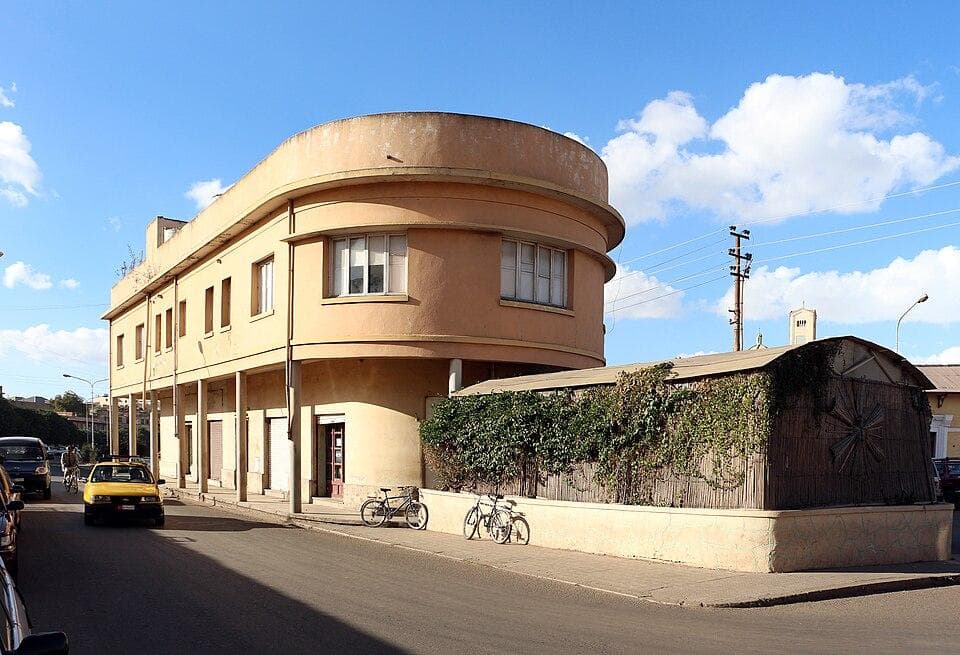
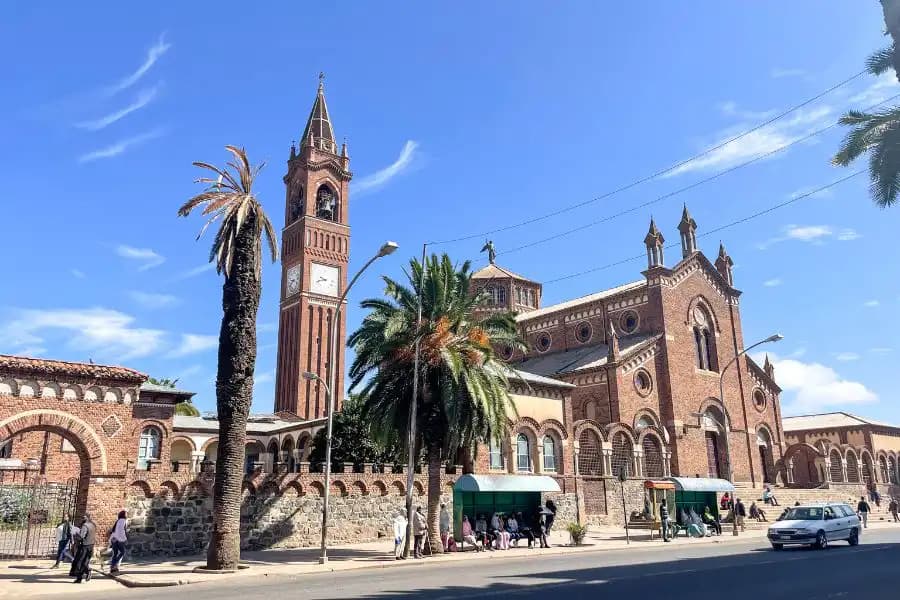
- Asmara — the Art Deco capital: A UNESCO World Heritage city that feels like a preserved 1930s film set, with the Fiat Tagliero's airplane-shaped service station, the restored Cinema Impero, and the sobering Tank Graveyard on its outskirts. Read our full guide to Asmara.
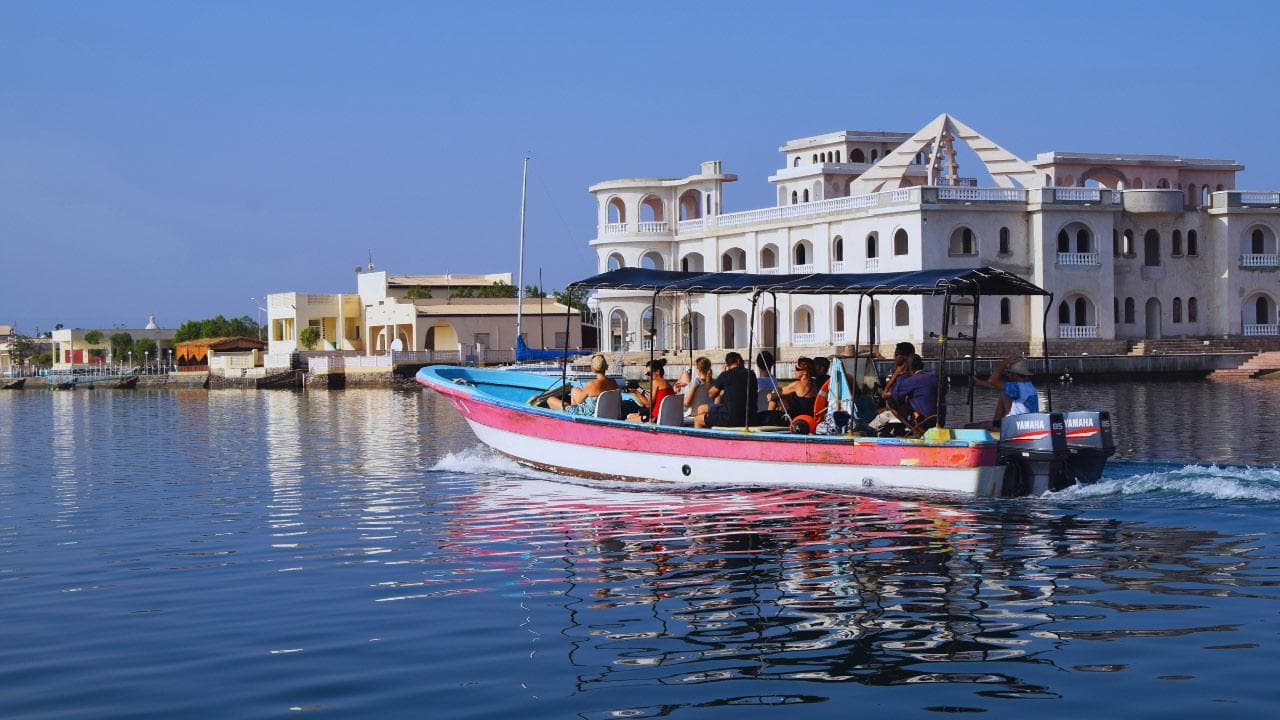
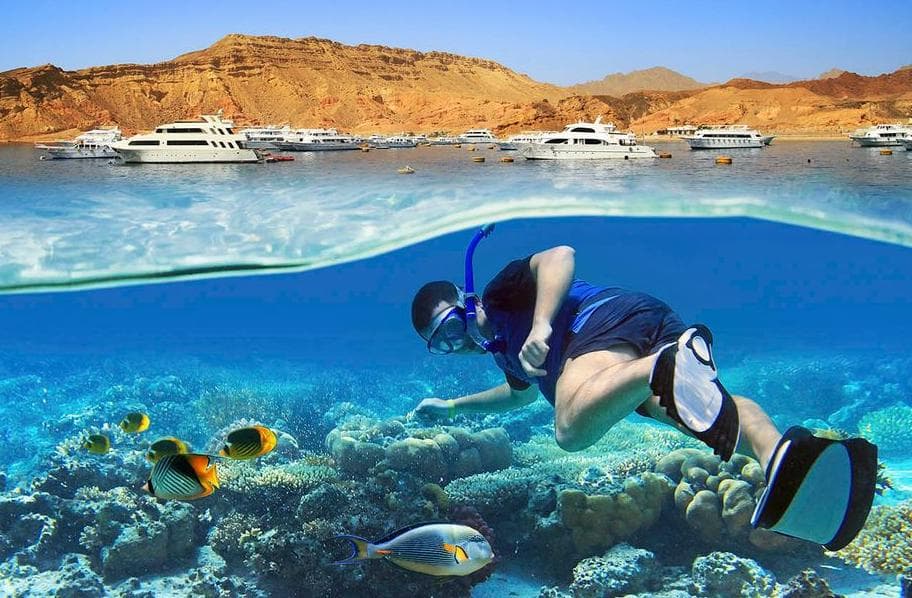
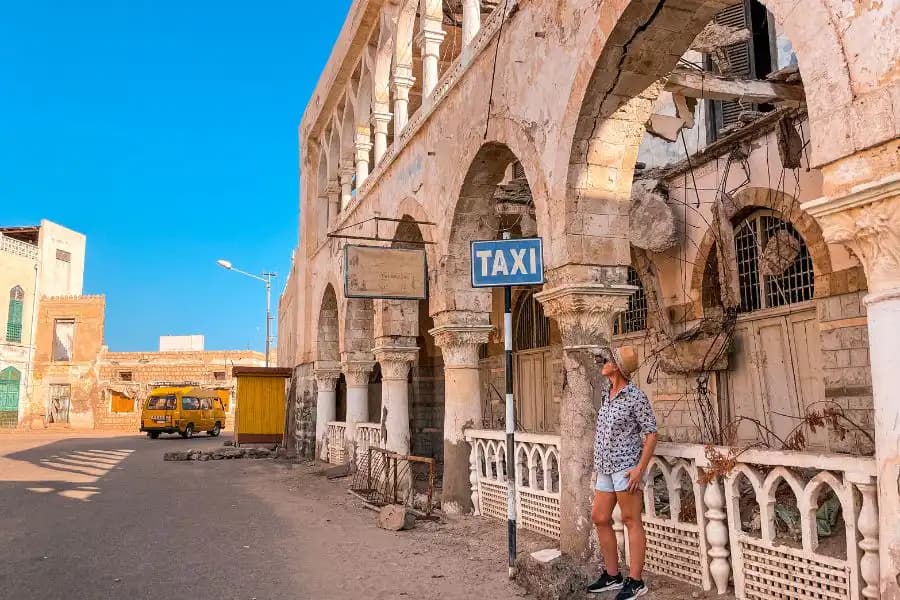
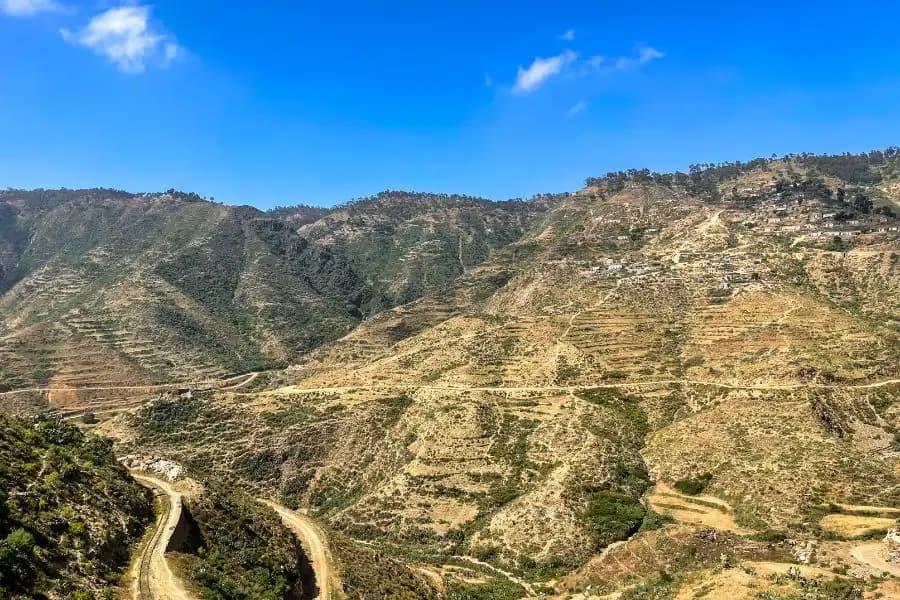
- Massawa and the Red Sea: The drive down from the highlands to the coast is one of the most scenic in the region. Massawa's Old Town mixes Ottoman and Italian-era coral-stone architecture, war-damaged but still striking, and serves as the gateway to the Dahlak Archipelago's diving and snorkeling. More in our Massawa guide.
- Keren — the cultural heart: Best known for its Monday camel market, where traders from across the region gather to buy and sell livestock, spices and textiles — a genuinely authentic slice of daily Eritrean life. See our Keren guide.
Cultural Etiquette and Local Laws
Eritreans are generally hospitable, but the country is socially conservative, and a few rules are worth following closely:
- Photography: Never photograph government buildings, military sites or police officers — this can lead to detention or camera confiscation, and it isn't a rule to test.
- Dress: Dress modestly, particularly in rural areas and at religious sites.
- Coffee ceremony: If invited for coffee, accept if your schedule allows — the ceremony is a genuine social institution, not a tourist performance, and declining without reason can read as a snub.
- Greetings: Greet people politely, and show visible respect to elders (offering a seat, letting them pass first).
Health and Safety
Crime rates in Eritrea are low and the country is, by most measures, genuinely safe for visitors, though as with any destination, standard travel precautions apply. Border areas within roughly 25km of Ethiopia or Djibouti remain sensitive and are outside any of our standard itineraries. Altitude in Asmara is the main physical consideration for most visitors, addressed as above.
Practical Tips
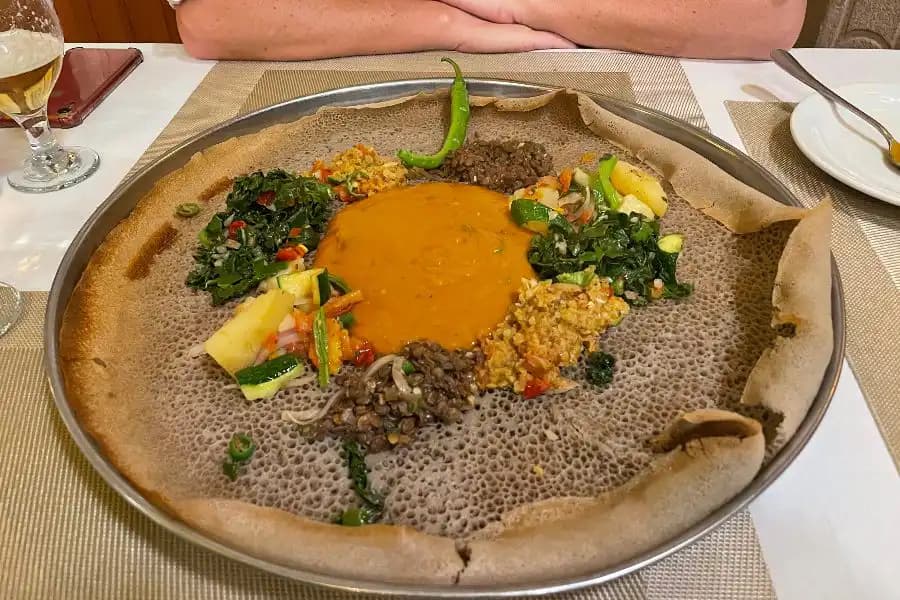
Tigrinya, Arabic and English are all commonly spoken, and a few words of Tigrinya go a long way with locals. Public transport is limited, so a private vehicle or guided tour is the practical way to reach anywhere outside Asmara. Eritrean cuisine centers on spicy stews and injera — see our guide to Eritrean food and coffee culture for more. Climate varies sharply by region: the highlands are cool and dry, the coast is hot and humid, so pack for both if your itinerary covers both.
Planning Your Trip
Most visitors combine Asmara, Massawa and Keren in one circuit — our 5-Day Eritrea Highlights covers exactly that, while the 7-Day Best of Eritrea adds the Dahlak Islands, and the 14-Day Complete Eritrea Discovery Tour is our most comprehensive option. Browse the full Eritrea tour collection to compare.
Getting Around Eritrea
Exploring Eritrea is a fascinating journey back in time, but it requires a solid understanding of the local transport infrastructure and bureaucratic requirements. For getting around the capital, Asmara, small yellow taxis are plentiful, affordable, and easy to flag down. They are ideal for zipping between the city's architectural landmarks or heading to a local cafe. For slightly longer journeys within the city or to nearby suburbs, shared minibuses operate on set routes. They are extremely cheap but can get quite crowded. If you prefer walking, Asmara is a wonderfully pedestrian-friendly city, renowned for its safe, clean streets and pleasant climate, making it a joy to explore on foot.
However, travelling outside Asmara introduces a layer of complexity: the travel permit system. Foreign visitors are legally required to obtain a travel permit from the Ministry of Tourism in Asmara before leaving the capital to visit any other region in the country, including popular destinations like Massawa on the Red Sea coast, Keren, or the Qohaito ruins. The process usually takes a day or two, so it must be factored into your itinerary early on. You will need to specify your intended route, dates, and sometimes your mode of transport. Checkpoints on the roads are common, and officials will ask to see these permits, so keep them easily accessible. Once your paperwork is sorted, intercity travel can be done via public buses, which are cheap and relatively reliable, though they can be slow due to the mountainous terrain. For greater freedom and to make the most of the stunning scenery, hiring a car with a driver is highly recommended. The dramatic winding road from Asmara down to the coastal heat of Massawa is considered one of the great engineering feats of the colonial era and offers breathtaking views that are best enjoyed when you have the flexibility to stop.
Best Time to Visit
Eritrea's climate is remarkably varied given its size, primarily influenced by its dramatic shifts in altitude. Asmara and the central highlands enjoy a pleasant, temperate climate almost year-round, often described as 'perpetual spring'. However, for exploring the country as a whole, the optimal time to visit is from October to March. During these months, the weather in the highlands is cool and clear, perfect for wandering the streets of Asmara or exploring archaeological sites without the burden of intense heat.
More importantly, this period corresponds with the most bearable weather on the Red Sea coast. Massawa and the Dahlak Archipelago are notorious for their extreme heat and humidity. From June to September, temperatures on the coast frequently soar above 40°C (104°F) with oppressive humidity, making travel and sightseeing incredibly exhausting. Visiting between October and March ensures that the coastal areas, while still warm, are comfortable enough for exploring the historical ruins, relaxing by the sea, or scuba diving in the pristine, coral-rich waters of the Red Sea. The brief rainy season in the highlands occurs from July to August, which greens the landscape but can occasionally disrupt travel on rural roads.
Practical Tips
Travelling in Eritrea is incredibly rewarding but demands a certain level of preparedness. The official currency is the Eritrean Nakfa. It is crucial to understand that Eritrea operates strictly on a cash economy, and international credit or debit cards are virtually useless. There are no functioning international ATMs in the country. Therefore, you must bring all the money you will need for your entire trip in hard currency—preferably US dollars or Euros. Upon arrival, you must declare your foreign currency. You can legally exchange your money for Nakfa at official government exchanges (Himbol). Be acutely aware that the black market or street exchange is strictly illegal, and the penalties for engaging in it are severe. Always keep your official exchange receipts, as you may be asked to present them upon departure to prove where you obtained your local currency.
Photography requires caution. While Asmara's modernist architecture is a photographer's dream, there are strict rules against photographing military installations, government buildings, police stations, and strategic infrastructure like airports or bridges. If in doubt, always ask for permission before taking a photo, especially of people or anything that could be construed as sensitive. The local population is generally very friendly, but respecting these boundaries is essential for a smooth trip.
Linguistically, Eritrea is diverse, with nine recognized ethnic groups and languages. Tigrinya and Arabic are the most widely spoken working languages, and you will hear them everywhere. English is also surprisingly common, particularly among younger people and in the service industry in Asmara, as it is the medium of instruction in secondary schools and universities. Learning a few basic greetings in Tigrinya will, however, be met with immense appreciation and will go a long way in forging connections with the locals. Finally, be prepared for limited and very slow internet access; embrace the opportunity for a digital detox and immerse yourself fully in the unique rhythm of Eritrean life.
Eritrea Visa & Travel Permit Checklist
Everything to have ready before and after you land in Asmara. Entry rules change with little notice — confirm the current process with your operator or an Eritrean embassy before booking flights.
Eritrea is one of Africa's least-visited countries, requiring a visa (often via Letter of Invitation and visa on arrival) and separate Ministry of Tourism travel permits for destinations outside Asmara, such as Massawa and Keren. The country runs on cash (Nakfa or USD/EUR); international ATMs and cards don't work. Highlights include Asmara's UNESCO-listed Art Deco architecture, Massawa's Red Sea coast and the Dahlak Archipelago, and Keren's Monday camel market.
Frequently asked questions
Do I need a visa and permit for Eritrea?+
Yes to both. A visa is required for entry, typically arranged via a Letter of Invitation and visa on arrival when traveling with a tour operator. Separately, any travel outside Asmara — to Massawa, Keren or the Dahlak Islands — requires its own permit from the Ministry of Tourism, arranged in advance.
Can I use credit cards or ATMs in Eritrea?+
No. Eritrea runs almost entirely on cash, and international ATMs and credit cards don't work. Bring sufficient USD or EUR cash for your entire trip.
Is Eritrea safe to visit?+
Crime rates are low and Eritrea is generally safe for visitors following standard travel precautions. Border areas within about 25km of Ethiopia or Djibouti remain sensitive and are outside our standard itineraries.