- Wildlife Safari
- November 12, 2026
- By Safarisway Conservation & Wilderness Desk
The Boma-Bandingilo Antelope Migration: Earth's Greatest Mammal Spectacle
Everything you need to know about South Sudan's newly mapped 6-million-animal migration, aerial survey findings, and how to plan a charter expedition.
For nearly a century, naturalists believed the annual trek of two million wildebeest across the Serengeti-Mara ecosystem was the largest terrestrial mammal migration on planet Earth. But deep within the remote savannas and floodplains of South Sudan, a migration nearly three times that size has survived, hidden by decades of civil conflict and near-total isolation.
Historic scientific aerial surveys conducted by the international conservation organization African Parks in collaboration with South Sudan's Ministry of Wildlife Conservation & Tourism confirmed what local pastoralists had known for generations: over 6 million migratory antelopes move across the Boma-Bandingilo-Sudd landscape in a relentless, awe-inspiring circle of life.
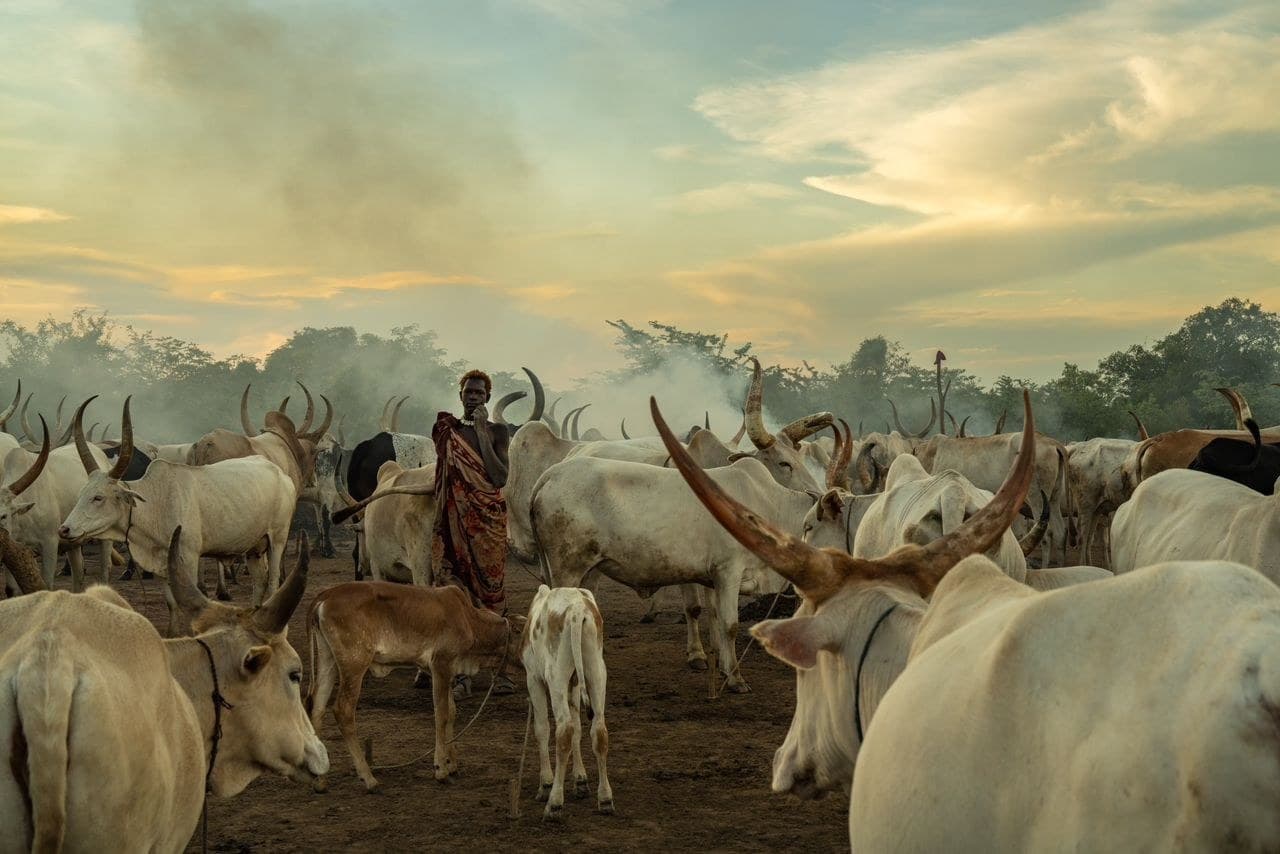
The pristine, untamed wilderness of Boma National Park: vast unbroken savannas extending to the Ethiopian highlands.
The Numbers: A Wildlife Phenomenon on a Staggering Scale
Between 2023 and 2026, two specialized spotter aircraft equipped with high-resolution aerial mapping cameras covered 122,981 square kilometers of South Sudan's wild landscape. When the data was analyzed, wildlife biologists were astounded by the results:
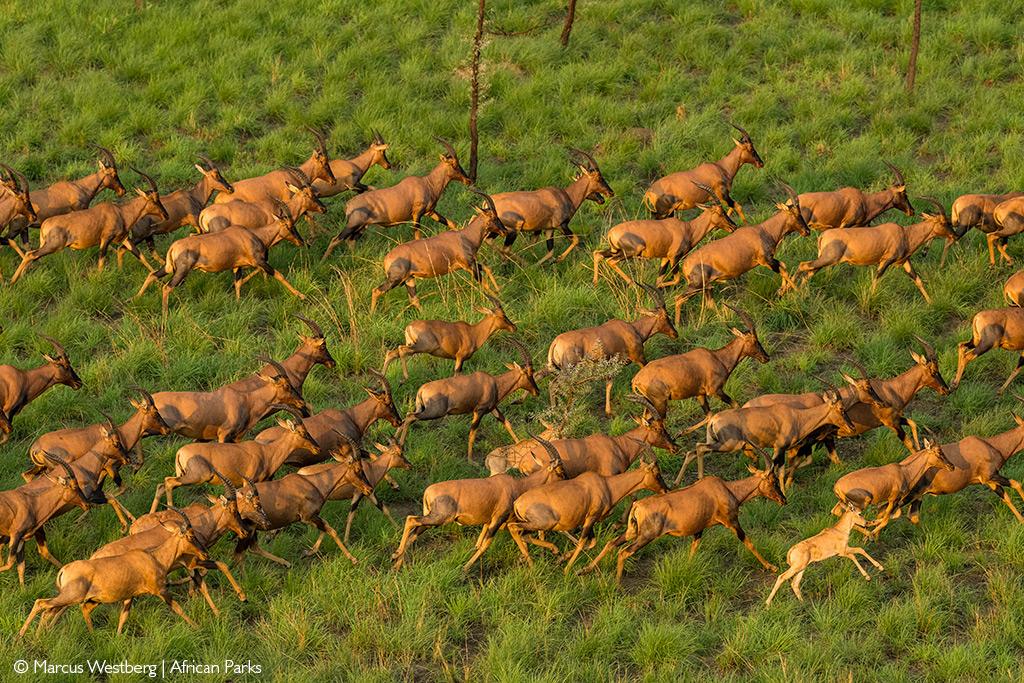
- 5,129,540 White-Eared Kob (Kobus kob leucotis): The undisputed king of the migration, famous for their chestnut coats, stark white ear tufts, and majestic ridged horns.
- 350,000+ Tiang (Damaliscus lunatus tiang): A swift, handsome subspecies of topi with shimmering purple-brown pelts.
- 160,000+ Mongalla Gazelle (Eudorcas albonotata): Fast-running endemic gazelles adapted to seasonal floodplains.
- 300,000+ Bohor Reedbuck: Thriving in the marshy fringes of the Sudd swamps.
In total, nearly six million animals move across an unbroken ecosystem larger than England, making this without question the single largest wildlife spectacle remaining anywhere on Earth.
| Feature | South Sudan (Boma-Bandingilo) | Tanzania & Kenya (Serengeti-Mara) |
|---|---|---|
| Estimated Population | ~6,000,000 antelopes | ~2,000,000 (wildebeest + zebra + gazelle) |
| Primary Species | White-eared kob, tiang, Mongalla gazelle | Blue wildebeest, plains zebra, Thomson's gazelle |
| Protected Area | 200,000+ km² contiguous wilderness | ~30,000 km² protected ecosystem |
| Tourist Crowds | Zero vehicles, total exclusivity | Hundreds of safari safari cruisers at crossings |
| Travel Accessibility | Charter light aircraft & mobile fly-camps | Paved roads, airstrips & luxury lodges |
The Migration Route: Following the Rains Month-by-Month
Like the Serengeti herds, South Sudan's antelopes move in response to rainfall, green grass flushes, and rising river levels. The annual cycle follows an extraordinary clockwork journey:
1. November – December: Leaving the Flooded Sudd Swamps
As the torrential rains ease in late autumn, the Sudd wetland basin becomes completely inundated with water. Millions of kob and tiang begin marching southeast out of the marshes, crossing the Jonglei floodplains toward higher, drier savannahs.
2. January – March: The Peak Savannah Grazing in Bandingilo & Boma
During the core dry season, herds congregate in immense, moving carpets across Bandingilo National Park and the high savannas of Boma. It is during this period that massive bachelor herds and breeding aggregations form, with columns of animals stretching past the horizon for miles.
3. April – May: The Calving Season & River Crossings
As the first rains arrive in April, millions of female white-eared kob drop their calves within a synchronized three-week window across the Boma plains. The sheer glut of new life overwhelms predators like lions, leopards, cheetahs, and hyenas.
4. June – October: Return to the Nile & Sudd Marshes
When the heavy summer monsoon turns the southeastern plains into clay mud, the herds retrace their steps northwest, returning to the permanent waters and tender grasses of the White Nile corridor.
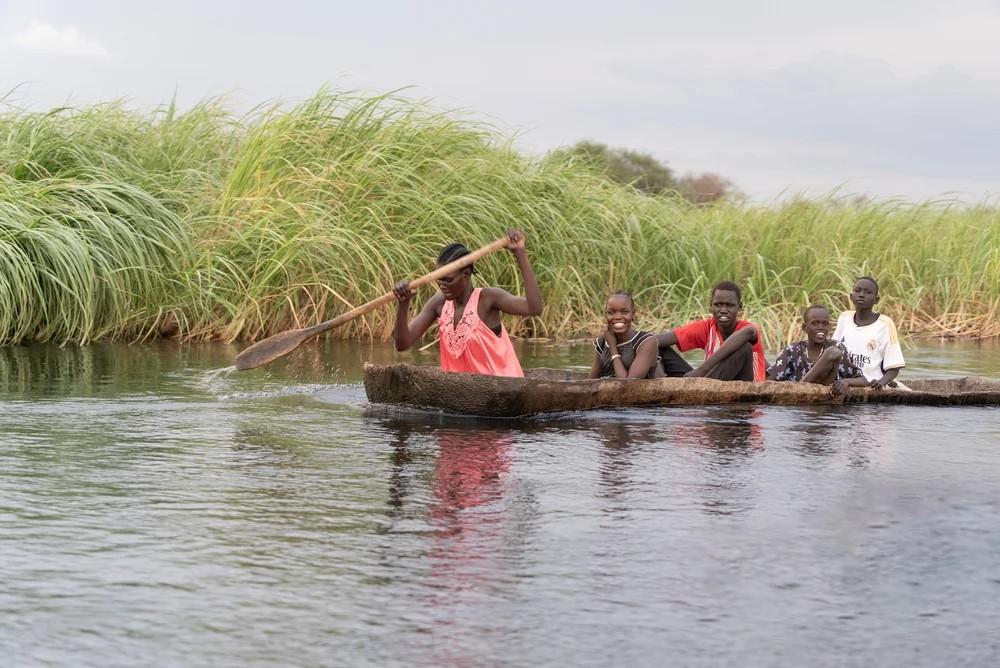
The Sudd wetlands: one of the largest freshwater swamps on Earth, serving as the essential dry-season water haven for South Sudan's wildlife.
African Parks: A Landmark 25-Year Conservation Mandate
The survival of this wildlife phenomenon through decades of civil strife is a genuine conservation miracle. However, the ecosystem faces intense pressures: commercial bushmeat poaching, road development, and potential disruption to historic migratory pathways.
In 2022, H.E. President Salva Kiir Mayardit and the South Sudanese government signed a historic 25-year comanagement agreement with African Parks to manage Boma and Bandingilo National Parks. Over the past four years, African Parks has achieved transformative breakthroughs:
- Recruiting and training over 250 local community wildlife rangers.
- Deploying satellite tracking collars on elephants, lions, cheetahs, and white-eared kob to map live migration corridors.
- Constructing headquarters, ranger outposts, and secure radio relay networks across Boma and Bandingilo.
- Establishing community health and education partnerships with the Murle, Toposa, and Dinka populations inhabiting park borders.
How to Experience the South Sudan Migration with Safarisway
Visiting Boma or Bandingilo is an authentic frontier expedition designed for experienced safari enthusiasts, filmmakers, and conservation donors. Because there are no commercial lodges or tourist infrastructure, Safarisway operates completely self-contained wilderness fly-camps:
- Charter Aviation: Flights depart Juba International Airport (JUB) on Cessna 208 Grand Caravan aircraft, landing on designated bush strips near Boma or Bandingilo.
- Mobile Expedition Base: Our logistics crew establishes a private safari camp with walk-in canvas tents, shaded dining marquees, solar power charging stations, hot bucket showers, and an executive field chef.
- Ranger Escorts & Security: All excursions are accompanied by African Parks-trained wildlife scouts and official park wardens.
- Combine with Tribal Culture: Many travelers pair a migration fly-in with our 3-Day Mundari Cattle Camp Tour or the 9-Day Five-Tribe Cultural Expedition.
Inquire About a South Sudan Wildlife Safari
Safarisway arranges chartered light aircraft, African Parks ranger permits, expedition fly-camping, and complete ground logistics for travelers seeking Africa's last untamed frontier.
Speak with our Expedition DirectorHistoric aerial wildlife surveys conducted by African Parks and South Sudan's Ministry of Wildlife Conservation & Tourism revealed Africa's largest terrestrial mammal migration: an estimated 6 million white-eared kob, tiang, Mongalla gazelle, and Bohor reedbuck traversing the Boma-Bandingilo ecosystem. Moving between the White Nile floodplains, the Sudd swamps, and the Gambella border with Ethiopia, this intact wilderness dwarfs the Serengeti migration in sheer animal numbers. Wilderness expeditions require chartered flights, mobile expedition camps, and specialized permits.
Frequently asked questions
How large is the South Sudan Great Antelope Migration compared to the Serengeti?+
The South Sudan migration is roughly three times larger than the Serengeti Great Migration in animal numbers. While the Serengeti sees approximately 1.5 million wildebeest and 500,000 zebras and gazelles (approx. 2 million total), recent aerial surveys conducted by African Parks confirmed approximately 6 million migratory antelopes (including white-eared kob, tiang, and Mongalla gazelles) moving through Boma and Bandingilo.
Which national parks in South Sudan host the migration?+
The migration pulses across a vast 200,000 km² contiguous landscape anchored by Boma National Park (along the Ethiopian border in Jonglei State), Bandingilo National Park (north of Juba in Central and Eastern Equatoria), and the expansive wetlands of the Sudd.
When does the South Sudan antelope migration occur?+
The migration follows seasonal rains. In November/December, herds leave the flooded Sudd wetlands and move east and south toward Boma and Bandingilo. Between January and April, massive concentrations graze across the savannah plains. In May/June, as rains return, the herds begin their reverse trek north and west toward the permanent waters of the Nile and Sudd.
How do tourists visit Boma National Park and Bandingilo?+
Due to lack of paved road infrastructure, travelers visit via chartered light aircraft (such as Cessna Caravans) departing from Juba International Airport to remote bush landing strips. Expeditions require self-contained mobile tented camps, dedicated rangers, satellite tracking, and specialized wilderness permits.
Is wildlife in South Sudan protected?+
Yes. In 2022, the government of South Sudan signed a historic 25-year comanagement mandate with African Parks, the continent's leading conservation NGO. African Parks has deployed anti-poaching rangers, established law-enforcement bases, fitted satellite collars on wildlife, and engaged local pastoralist communities to ensure long-term protection.