- Travel Guide
- December 19, 2025
- By Safarisway Expedition Team
There's off-piste, and then there's South Sudan. As the world's newest nation, its patchy infrastructure and volatile politics keep most travelers away — but the intrepid few who make the trip find some of the least-known, most striking natural phenomena left on the continent.
After a difficult split from Sudan in 2011, South Sudanese people remain fiercely proud of their hard-won independence, and international visitors who make the effort to explore the country are usually met with genuine warmth and curiosity.
Exploring Juba: The Nile's Rising Capital
Juba, the capital, sits on the banks of the White Nile and is growing fast, if a little chaotically. Founded in the 1920s, its Hai Jalaba district still holds a handful of British colonial-era buildings. Most visitors, though, come for what lies beyond the city — the vast, largely untouched landscapes further into the country.
Quick Facts
- Area: 644,329 sq km
- Population: ~12.4 million (2026 UN estimate)
- Capital: Juba
- Government: Republic (transitional)
Visa and Immigration
A trip here takes some paperwork. You'll need an e-visa and a Letter of Invitation (LOI) from us or another registered tour operator, and it's worth checking the latest guidance from the U.S. Department of State or your own embassy before booking.
- Mandatory: a Yellow Fever vaccination certificate.
- Permits: photography is tightly regulated — you'll need an official permit to carry a camera outside your hotel.
Getting There & Around
- Arrival: Juba International Airport (JUB) is the main gateway.
- Getting around: road travel remains a genuine off-road experience; see our South Sudan tour packages below for how we handle logistics.
Nature's Final Frontier
The capital may be a busy Nile boomtown, but the real draw of South Sudan is its vast, untouched landscapes. Because so little tourism reaches the interior, the wildlife and local cultures remain remarkably intact.
The White Nile & The Sudd
The Sudd — known locally as Bahr el Jebel — is one of the world's largest inland wetlands, a 30,000-square-kilometer expanse of reeds and papyrus where the Nile fans out into swamp. Its isolation has made it a haven for hippos, largely safe from poaching, and exploring its channels by traditional canoe is a quiet, almost prehistoric experience.
Boma National Park & The Great Migration
National Geographic has called it one of the greatest mammal migrations on Earth: an estimated two million animals, mostly white-eared kob, cross the plains of Boma National Park each year. The park is also home to traditional tribal homesteads that add a strong cultural dimension to any visit.
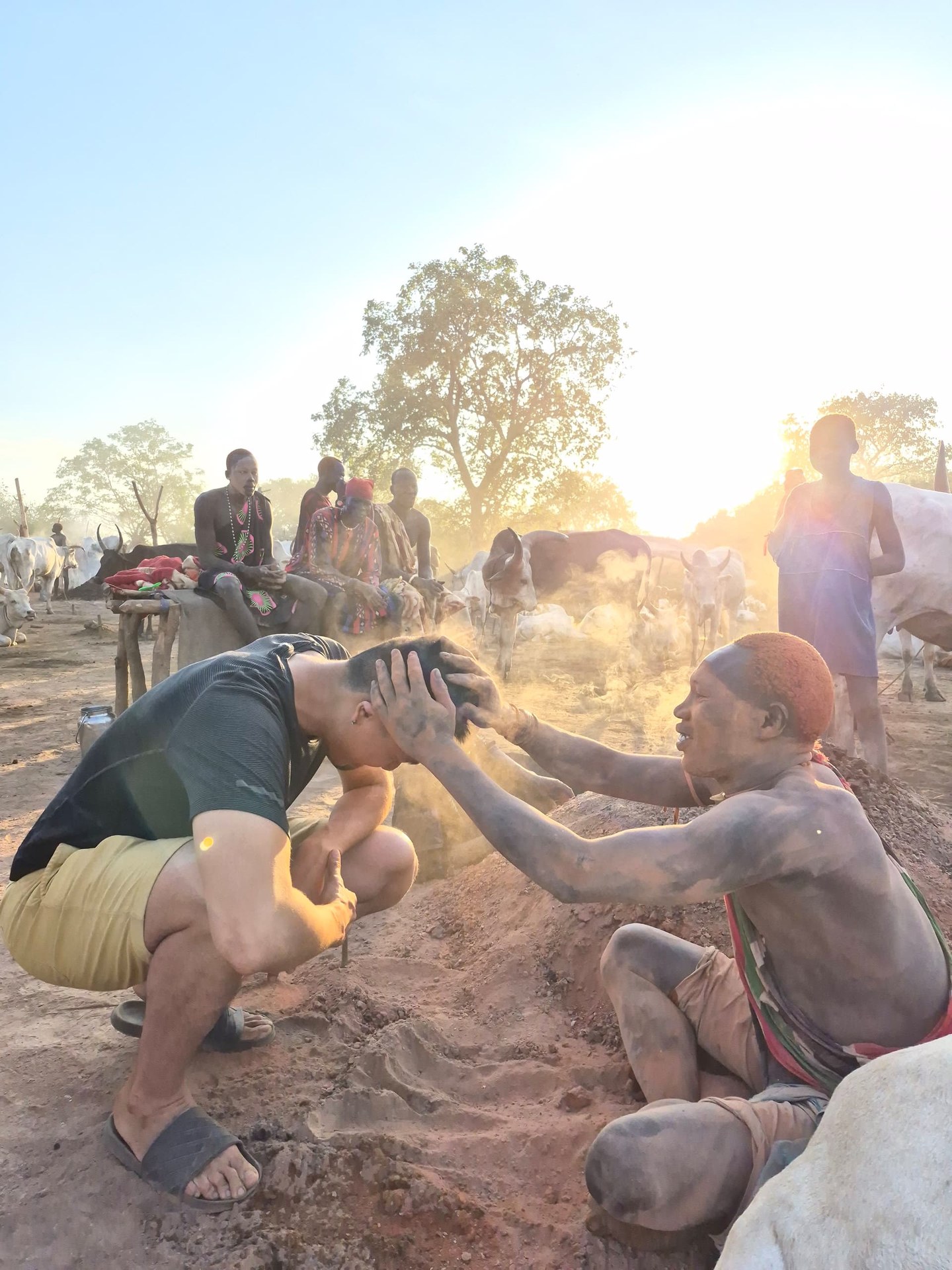
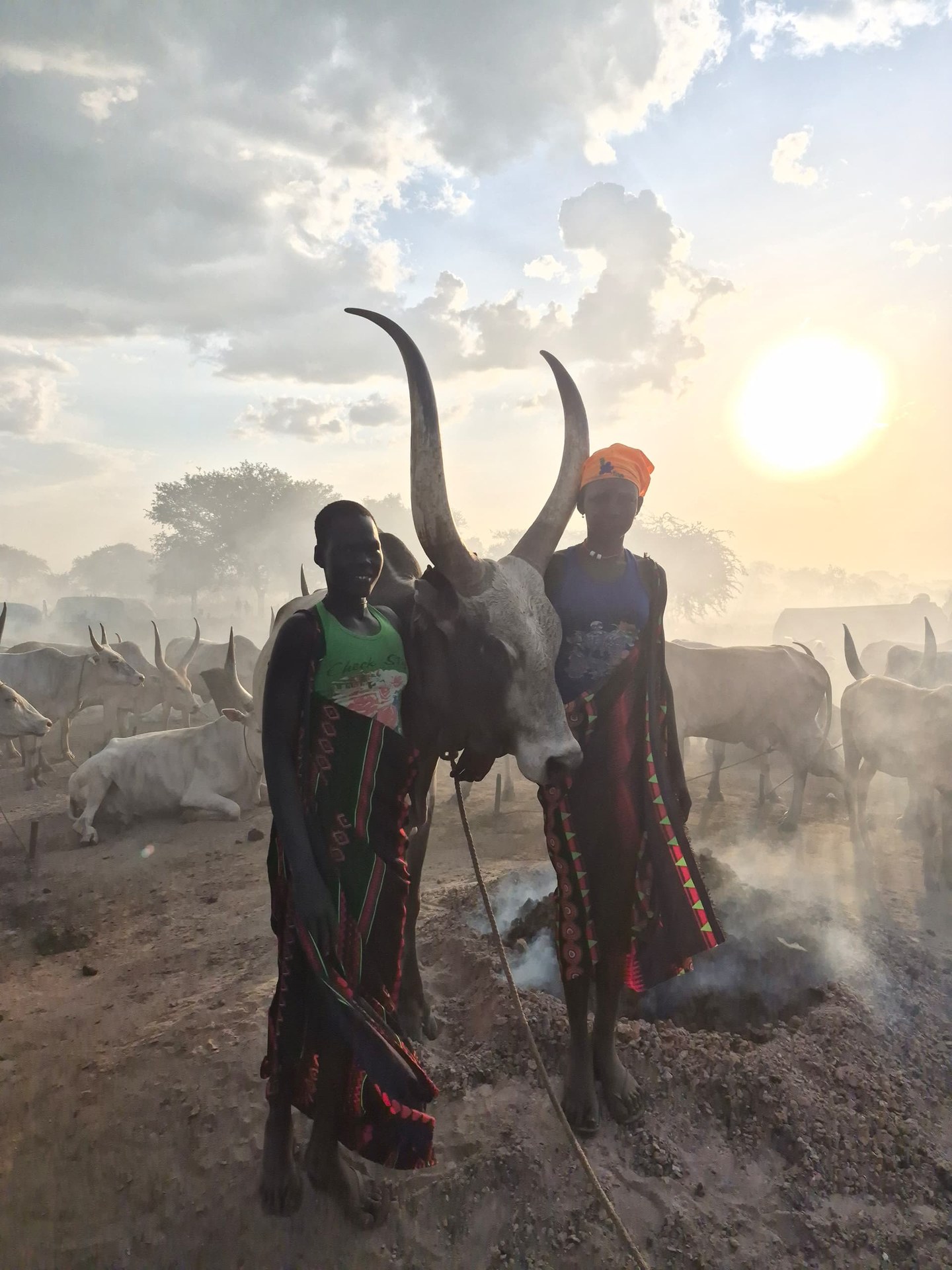
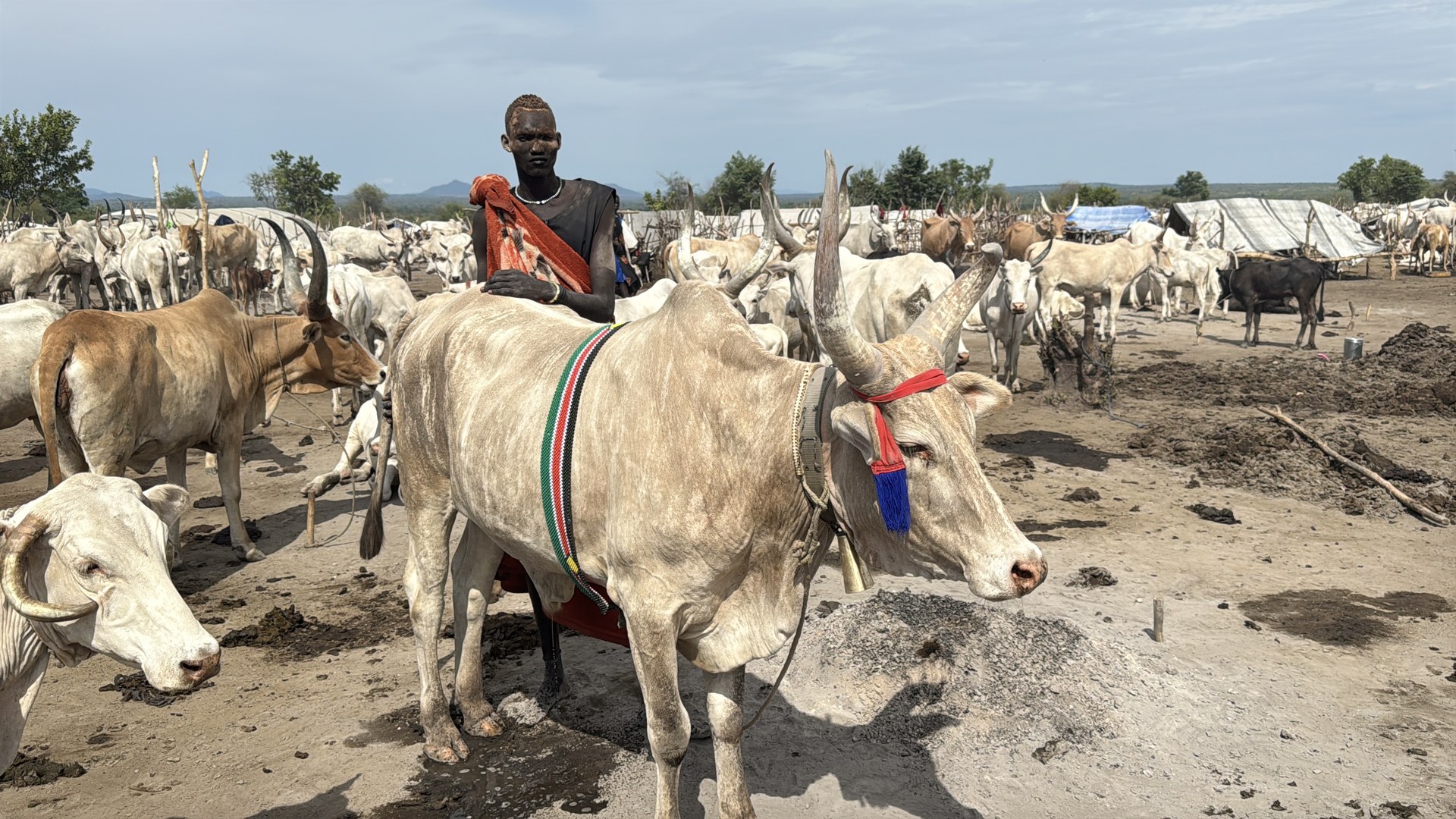
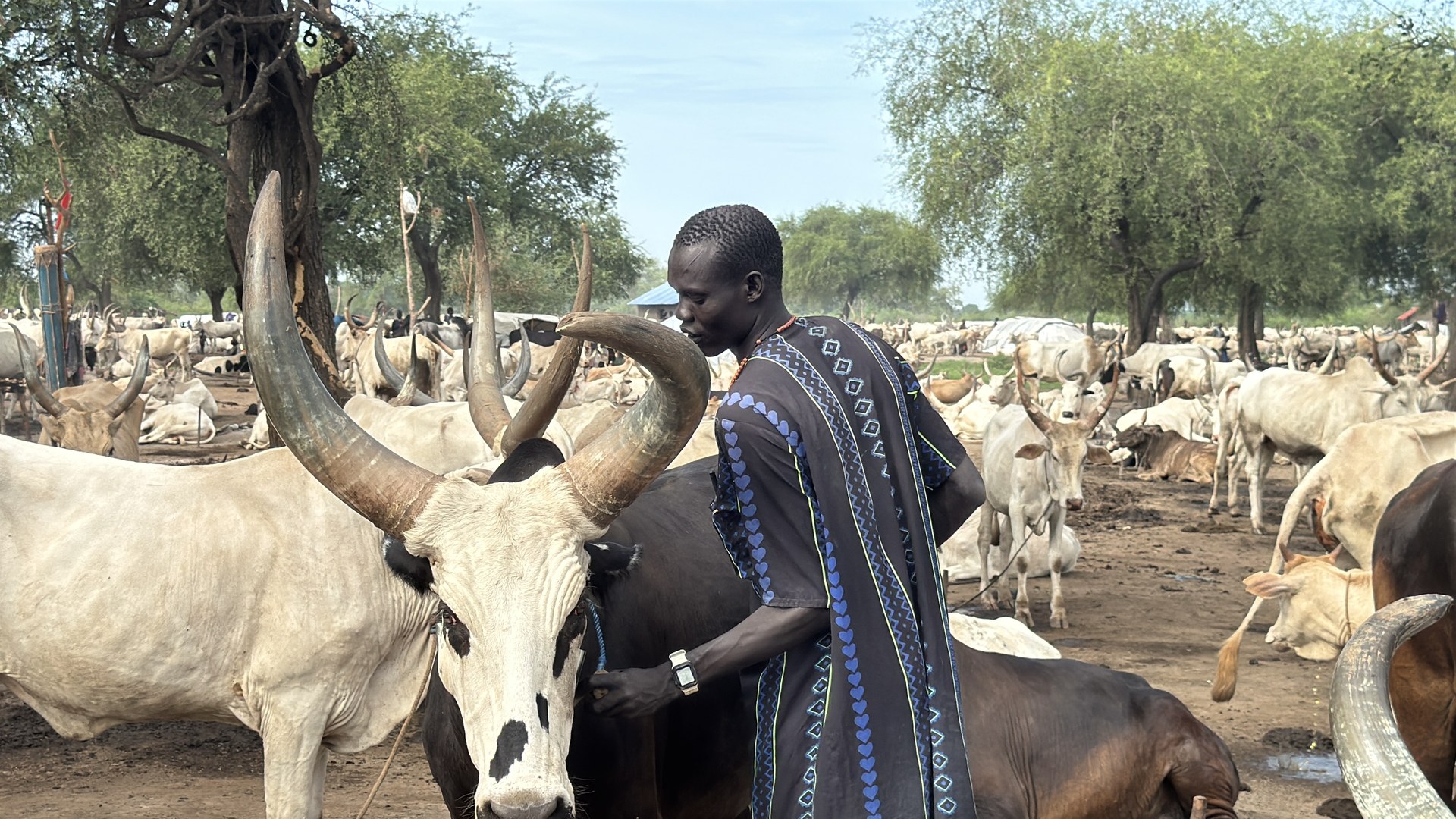
Inside the Mundari & Dinka Sacred Cattle Camps (2026 Field Photography)
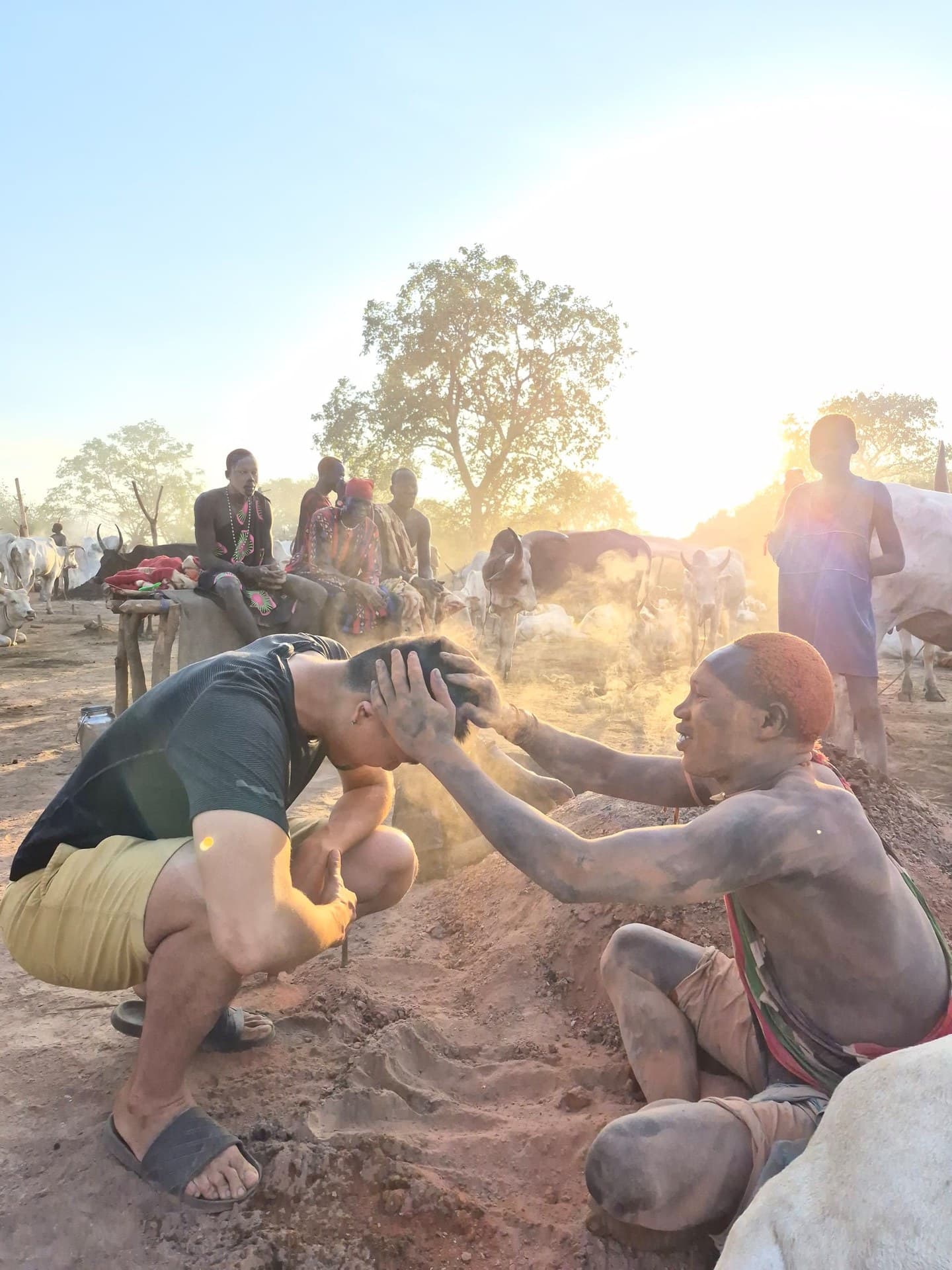
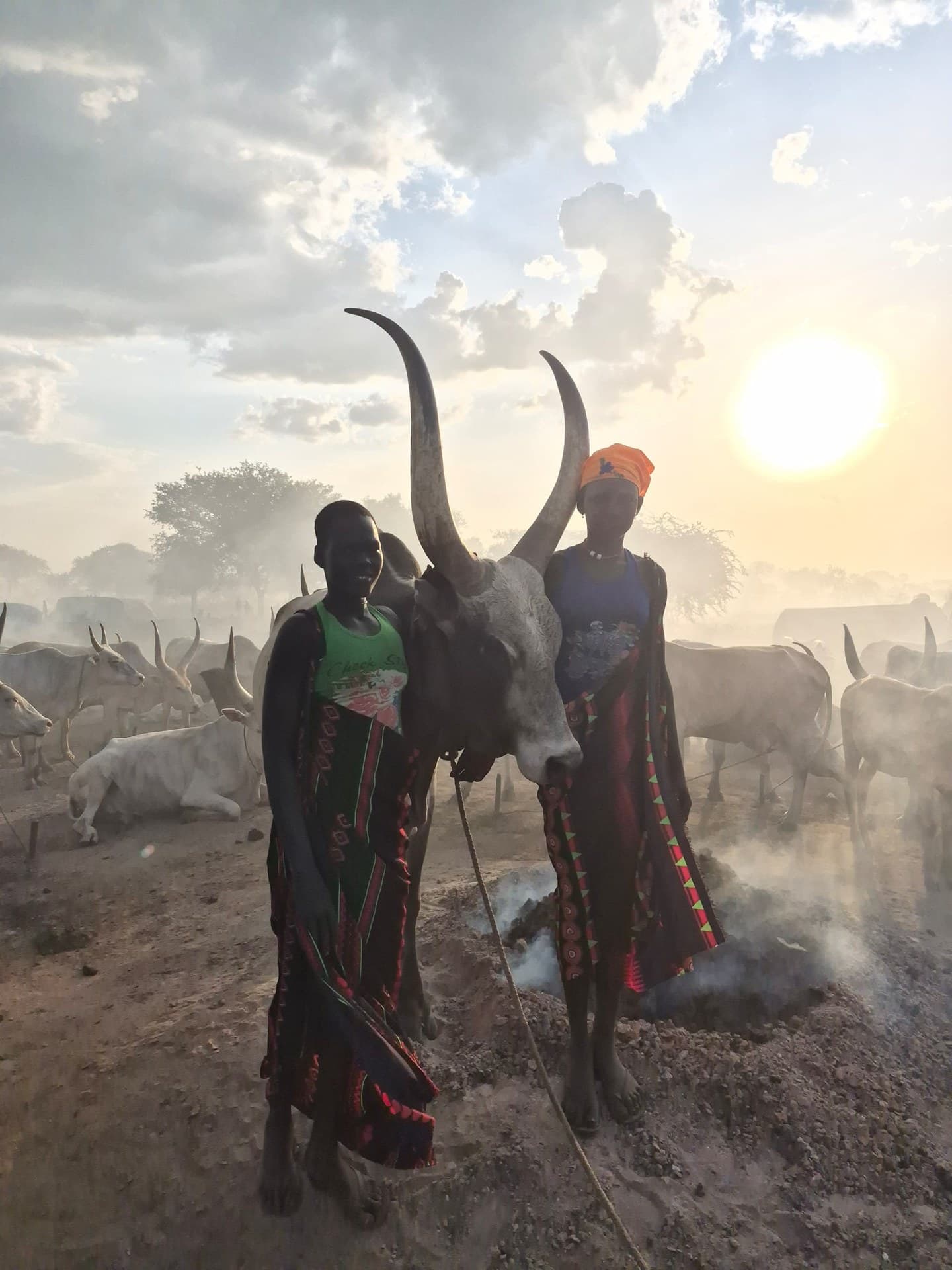
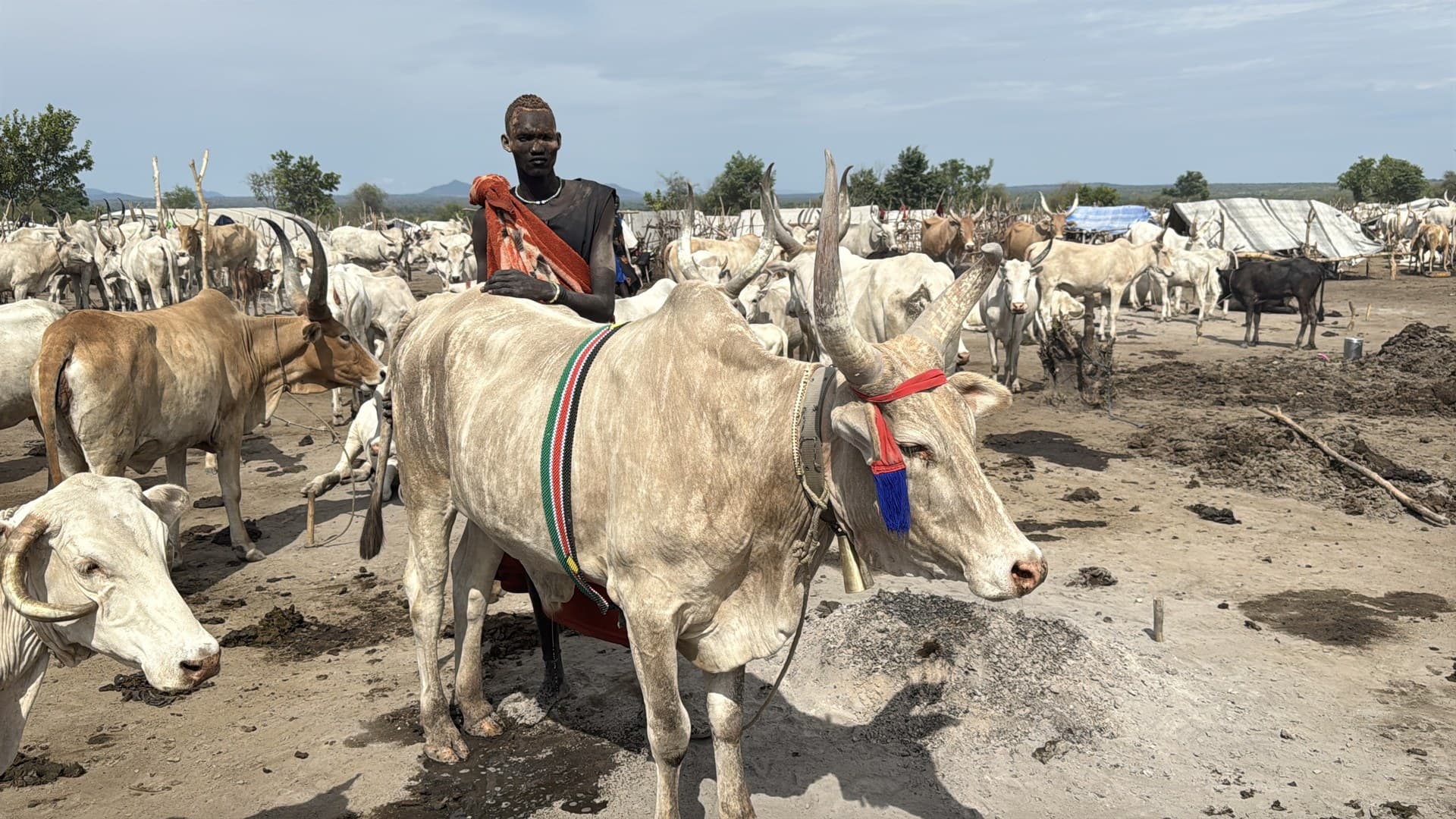
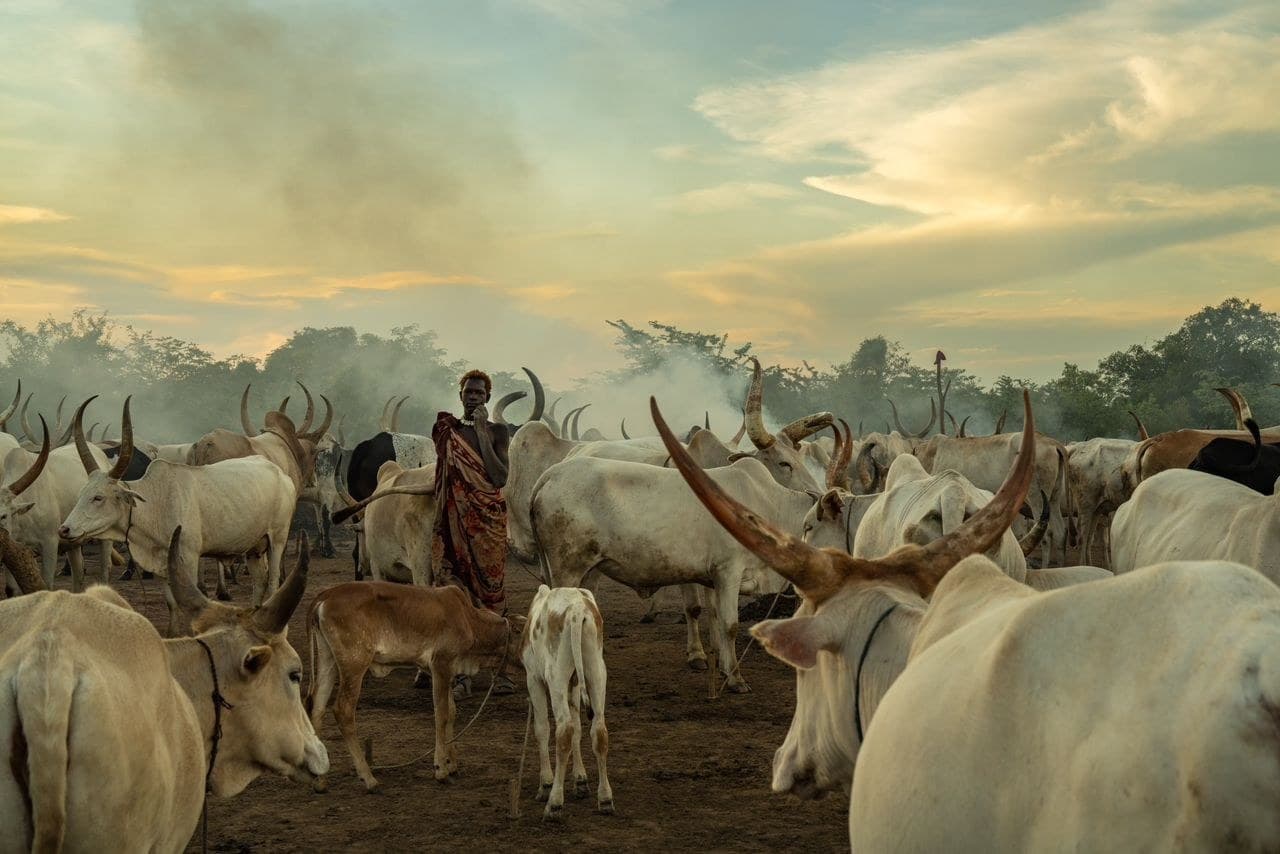
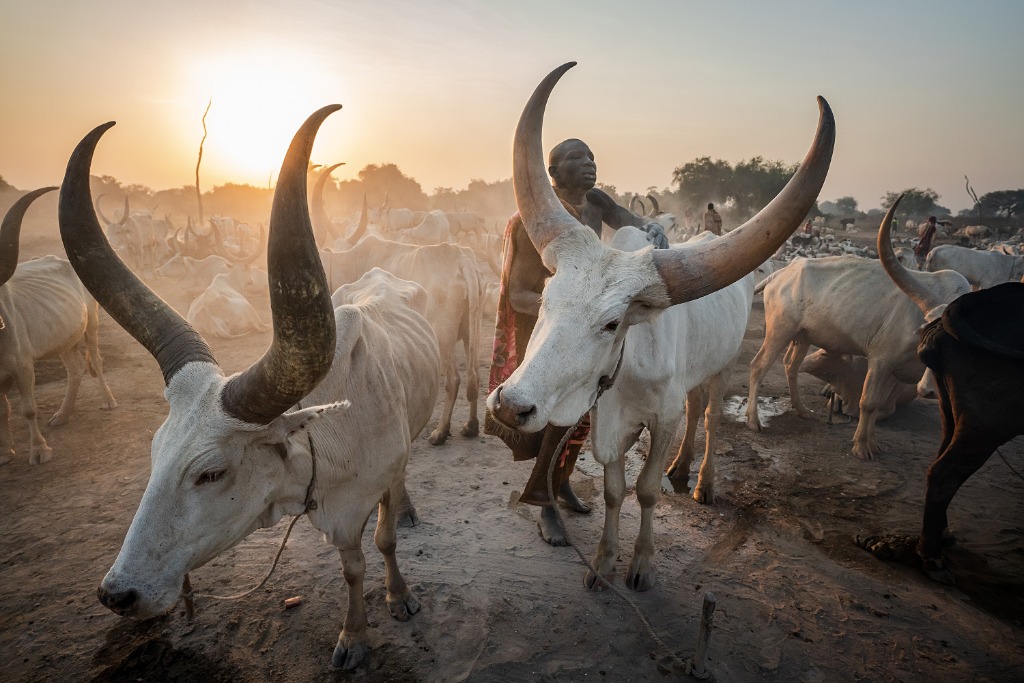
Along the floodplains of the White Nile near Terekeka and Yirol, the Mundari and Dinka pastoralists maintain an unbroken spiritual covenant with their prized Ankole-Watusi longhorn cattle (Song Oxen). At dawn and dusk, smoldering cattle-dung fires blanket the encampments (wut) in aromatic ash smoke that protects both herders and livestock from river insects while bathing the horizon in surreal golden light.
South Sudan Tours with Safarisway
SafarisWay is one of the few operators equipped for the complex logistics this region demands. Our South Sudan itineraries focus on safe, immersive access to the Mundari cattle camps, the Boma migration, and Juba's Nile frontier:
- 2-Day Juba & Mundari Cultural Expedition
- 3 Days Juba & Mundari Tribe Tour
- 5 Days South Sudan Cultural Tour: Mundari & Dinka Tribes
- 5-Day Dinka Tribe Photography Tour
- 7 Days South Sudan Wildlife & Cultural Adventure
- 14 Days South Sudan Ultimate Adventure
- Mundari cattle camp immersions: witness the iconic bond between the Mundari people and their cattle.
- The Boma migration: specialized seasonal fly-ins timed to the kob migration.
- Logistical support: security coordination and 4×4 convoys for safe overland travel.
Sudan and South Sudan offer journeys into regions of profound historical significance, vast landscapes, and complex modern realities. Traveling here is not a standard holiday; it is an expedition into the heart of Africa, demanding flexibility, patience, and a deep respect for the resilience of the local people. While Sudan is globally recognized for its ancient pyramids rising from the desert sands and the slow drift of the Nile, South Sudan, the world's newest nation, presents a completely different narrative defined by its raw, untamed wilderness and vibrant ethnic diversity.
Exploring South Sudan
South Sudan is a frontier destination in every sense of the word. After gaining independence in 2011, the country has faced significant challenges, and tourism infrastructure is effectively non-existent. However, for specialized expeditions, it holds incredible wonders. The capital, Juba, situated on the banks of the White Nile, is a bustling, chaotic, and rapidly growing city that serves as the essential starting point for any journey. It is a place of stark contrasts, where UN personnel, NGO workers, and local traders mix in a hot, dusty environment.
The true draw of South Sudan lies far beyond the capital. Boma National Park, a vast expanse of wilderness near the Ethiopian border, is the setting for one of the planet's greatest, yet least-known, wildlife spectacles. Each year, the park witnesses a colossal migration of antelope, primarily the White-eared Kob, Tiang, and Mongalla gazelle. Numbers are estimated to rival the famous Serengeti migration, moving across the savanna in a breathtaking display of raw nature. Reaching Boma is an expedition in itself, requiring chartered flights or arduous overland travel in fully equipped 4WD convoys during the brief dry season.
Further south, near the border with Uganda, lies Nimule National Park. Here, the landscape changes to dramatic hills and the rushing waters of the White Nile. Nimule is known for its population of elephants and offers a different, greener perspective of the country. The river Nile itself is the lifeblood of the region, and exploring its banks reveals the diverse cultures of the Nilotic people, such as the Dinka, Nuer, and Mundari, whose lives are deeply intertwined with their cattle and the rhythms of the river. Visiting a Mundari cattle camp at dawn, as the smoke from dung fires rises through the horns of the massive Ankole-Watusi cattle, is an unforgettable, almost biblical experience.
Practical Information and Safety
Traveling to Sudan and especially South Sudan requires meticulous planning and an acceptance of significant logistical hurdles. First and foremost, independent travel is highly discouraged and, in many areas, impossible. Traveling with a specialist, highly experienced tour operator who has deep local connections and an intimate understanding of the current security situation is absolutely essential. The political and security landscape can be volatile, and professional guidance is required to navigate permits, checkpoints, and safe routing.
Bureaucracy is a constant companion. In both countries, you will need a myriad of permits. Visas are difficult to obtain and often require letters of invitation. Once in the country, travel permits are needed to move between regions, and crucially, photography permits are strictly required. Taking photos without permission, especially of bridges, government buildings, military personnel, or even general street scenes, can lead to severe trouble, including the confiscation of your equipment or detention. Always, without exception, ask for permission before taking photographs, even with a permit.
Financially, both Sudan and South Sudan are entirely cash economies. International banking sanctions and a lack of infrastructure mean that ATMs and credit cards are completely useless for foreigners. You must bring enough US Dollars in cash to cover every aspect of your trip. These bills must be pristine—unmarked, untorn, and issued after 2013—or they will be flatly rejected by local money changers and vendors. The official exchange rates often differ wildly from the black market rates, so you will need your guide's assistance to exchange money safely and fairly.
Finally, be prepared for extremely limited infrastructure. Outside the capitals, roads are mostly unpaved and can become impassable during the rainy season. Accommodation ranges from basic guesthouses to wild camping. Medical facilities are scarce, making comprehensive travel and medical evacuation insurance absolutely mandatory. A journey here is challenging, hot, and demanding, but for those seeking an unfiltered experience of deep Africa, it is profoundly rewarding.
Sudanese Hospitality and Cultural Etiquette
One of the most enduring memories for any traveller to Sudan is the profound, almost overwhelming hospitality of the Sudanese people. Despite the economic hardships and political complexities the country has endured, the tradition of welcoming strangers remains deeply ingrained in the culture. It is incredibly common to be invited into local homes for tea, coffee, or a meal, even by people you have just met. These invitations are genuine expressions of goodwill and refusing them without a polite and valid reason can cause offense. When accepting such an invitation, it is customary to remove your shoes before entering the home. Meals are typically communal, often served on a large tray and eaten with the right hand—never the left, as it is considered unclean in Islamic culture.
Understanding and respecting the local etiquette is crucial. Sudan is a conservative Islamic society, and this dictates many aspects of daily life, particularly outside the capital, Khartoum. Dress codes must be strictly adhered to. Men should wear long trousers; shorts are generally unacceptable in public spaces. Women should wear loose, opaque clothing that covers their wrists, ankles, and neck, and carrying a lightweight scarf to drape over the hair is highly advisable, especially when visiting markets, rural areas, or religious sites. Public displays of affection are inappropriate, and alcohol is strictly prohibited throughout the country. Furthermore, always use your right hand for greeting, passing objects, and eating. Embracing these customs not only shows respect but also opens doors to more authentic and enriching interactions with the local population, turning a trip into a deeply personal cultural exchange.
Horn of Africa Travel Insurance Checklist
Questions to ask before you buy a policy for Ethiopia, Eritrea, Djibouti or Somaliland.
South Sudan travel requires an e-visa and Letter of Invitation, a Yellow Fever certificate, and a photography permit to carry a camera outside hotels. Juba International Airport is the main gateway; road travel is an off-road experience best arranged through a specialist operator. Highlights include the Sudd, one of the world's largest inland wetlands, and Boma National Park, home to an estimated two-million-animal white-eared kob migration.
Frequently asked questions
What do I need to enter South Sudan?+
You'll need an e-visa and a Letter of Invitation (LOI) from a registered tour operator, plus a Yellow Fever vaccination certificate. Photography requires an official permit to carry a camera outside your hotel. Check the latest guidance from your own government before booking.
Is it safe to travel in South Sudan?+
South Sudan has poor infrastructure and a history of political instability, and most Western governments advise a high degree of caution. Travel here is best arranged through an operator experienced in the region's security logistics, including vetted transport and route planning.
What is the Sudd?+
The Sudd, known locally as Bahr el Jebel, is one of the world's largest inland wetlands — roughly 30,000 square kilometers of Nile swamp, papyrus, and reeds, and home to large, largely undisturbed hippo populations.
What wildlife can you see in South Sudan?+
Boma National Park is the centerpiece, hosting an estimated two million white-eared kob and other antelope on an annual migration that National Geographic has ranked among the largest mammal migrations on Earth. The Mundari cattle camps near Juba are another major highlight, though a cultural rather than wildlife one.