- Practical Travel
- November 12, 2026
- By Safarisway Operations & Legal Compliance Desk
The 2026/2027 South Sudan Travel Entry & Security Briefing
Official regulations for e-Visas, Letters of Invitation, mandatory photography permits, Alien Registration, currency protocols, and emergency medical logistics.
Traveling to South Sudan is one of the most rewarding adventures in Africa, but it requires meticulous administrative and logistical preparation. Because South Sudan is an emerging destination with sensitive security protocols, attempting to travel independently or skipping bureaucratic steps can lead to denied boarding, heavy fines, or camera equipment confiscation.
This authoritative guide details every official requirement for entry, legal compliance, field photography, currency management, and health safety for international visitors traveling in 2026 and 2027.
1. The South Sudan Entry Visa & Letter of Invitation (LOI)
All foreign visitors (with very few exceptions for select East African Community passport holders) require a visa to enter South Sudan. Visas on arrival do not exist for tourist travelers.
Step-by-Step e-Visa Application:
- Secure an Official Letter of Invitation (LOI): The government portal requires an uploaded LOI issued by a registered South Sudanese company or licensed tour operator like Safarisway. The letter must state your passport details, travel purpose, planned itinerary, and confirm financial sponsorship and emergency responsibility.
- Apply Online: Submit your application via the official South Sudan Electronic Visa portal at least 14 to 21 days before departure.
- Required Uploads: High-resolution passport photo page (valid 6+ months with 2+ blank pages), passport-size portrait photo, your Safarisway LOI, hotel booking confirmation, and return flight itinerary.
- Visa Fees: Standard single-entry tourist visas typically cost between $100 and $160 USD, payable online by credit card during application.
- Printed Approval: Once approved, download and print two physical color copies of your e-Visa confirmation. Airlines will inspect this before issuing your boarding pass.
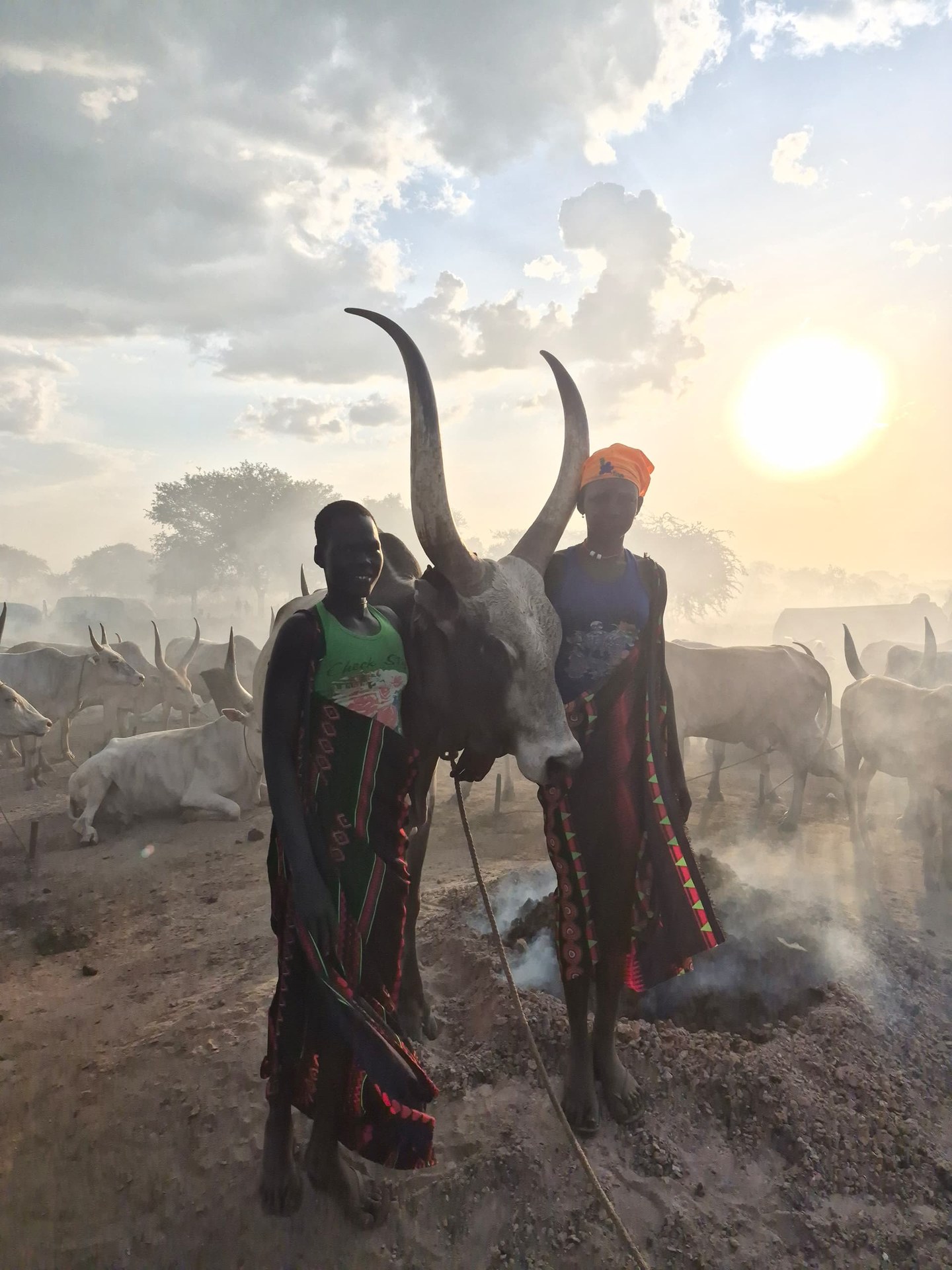
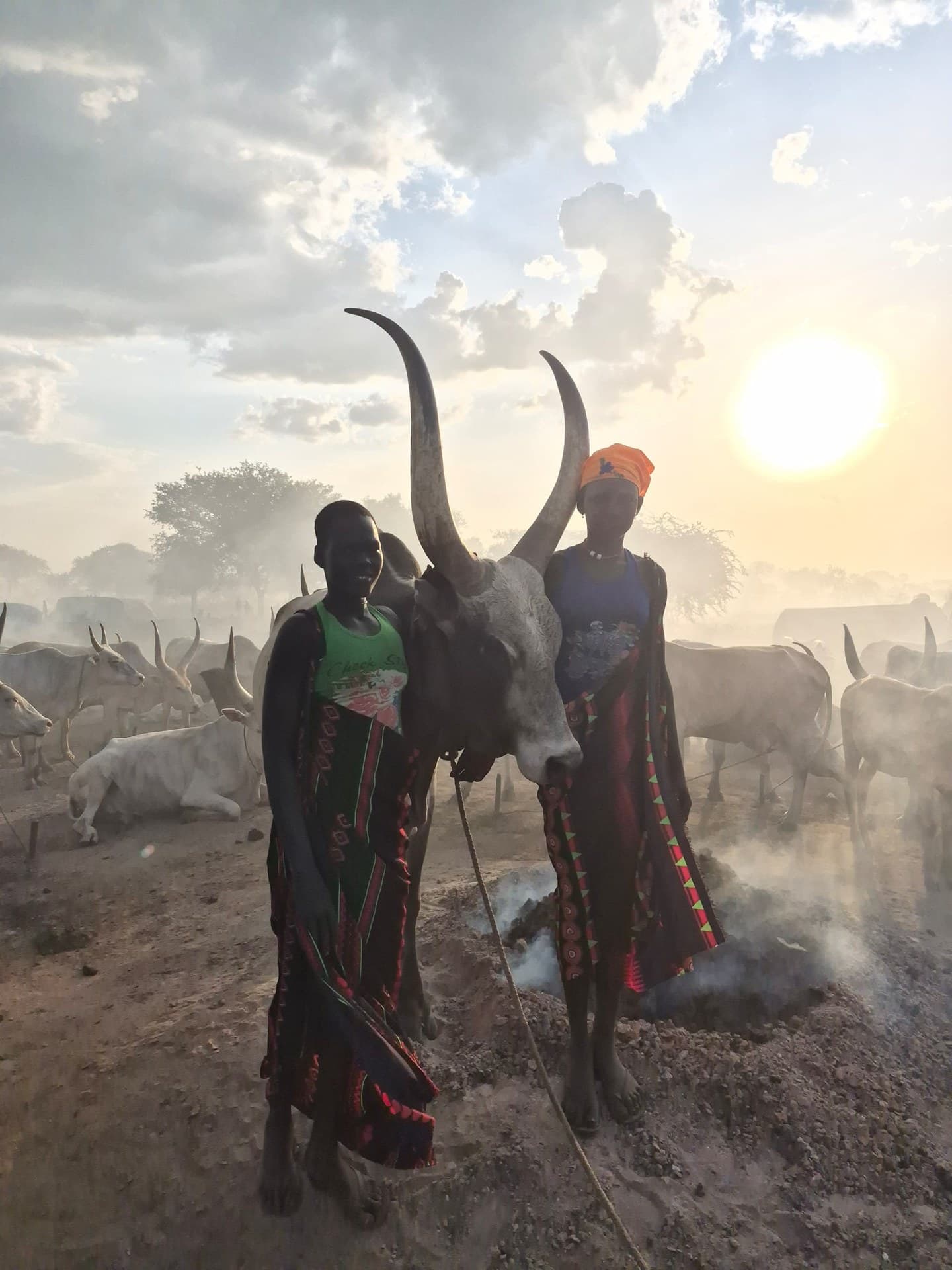
With the correct permits and an experienced DMC, travelers experience unforgettable access to South Sudan's heritage.
2. Mandatory Photography Permits & Camera Regulations
Photography is taken very seriously in South Sudan. Walking down the streets of Juba with a camera around your neck without a permit can lead to immediate arrest and equipment seizure.
CRITICAL PHOTOGRAPHY RULES IN SOUTH SUDAN:
- Never photograph government buildings, military personnel, police officers, checkpoints, presidential compounds, or communications towers.
- Never photograph bridges or infrastructure, including the Freedom Bridge and the Juba Nile Bridge.
- Never photograph inside or around airports (including the tarmac and terminal of Juba International Airport).
- Drones are strictly prohibited across South Sudan unless granted military clearance, which is virtually never approved for leisure travelers. Do not bring a drone into the country.
The Ministry Photography Permit: Safarisway submits your camera body and lens serial numbers to the Ministry of Information, Communication, Technology & Postal Services in Juba prior to arrival. We secure the official laminated Photography Permit, which our expedition guide carries at all times during your road journeys and village visits.
3. Alien Registration Within 72 Hours
By South Sudanese law, every foreign national must complete "Alien Registration" with the Directorate of Nationality, Passports and Immigration within three days of landing in Juba.
How Safarisway Handles This: On Day 1 or Day 2 of your tour, our Juba operations team collects your original passport and one physical passport photo. We present your documentation directly to immigration headquarters, pay the statutory fee, and return your passport stamped with the official registration sticker before you head upcountry to the cattle camps.
4. Health, Vaccines & Emergency Medical Evacuation
Medical infrastructure outside major centers in Juba is virtually non-existent. Strict preparation is essential:
- Yellow Fever Certificate (Mandatory): You will be asked for your original yellow vaccination card at Juba Airport health inspection. Ensure you were vaccinated at least 10 days before travel.
- Malaria Prophylaxis: South Sudan is high-risk for Plasmodium falciparum malaria year-round. Consult your travel doctor to prescribe effective prophylaxis (Malarone / Atovaquone-Proguanil or Doxycycline). Bring heavy-duty DEET insect repellent (30–50%).
- Water Safety: Never drink unbottled tap or river water. Safarisway provides unlimited sealed commercial bottled mineral water in all expedition vehicles and camps.
- Emergency Medical Evacuation Cover (AMREF Flying Doctors): Safarisway includes AMREF Flying Doctors tourist evacuation insurance with all our multi-day South Sudan expeditions. In the rare event of severe trauma or medical illness, a pressurized air-ambulance plane with ICU flight nurses is dispatched directly from Nairobi or Juba to transport you to world-class hospital facilities in Kenya.
5. Currency & Money: The All-Cash Economy
Financial logistics in South Sudan surprise many first-time visitors:
| Financial Aspect | Crucial Guidelines for Travelers |
|---|---|
| Credit & Debit Cards | Do NOT rely on cards. ATMs do not accept foreign cards. Bring 100% of your anticipated spending in cash. |
| US Dollar Condition | Banknotes must be series 2013 or newer. Bills must be crisp, uncreased, with no pinholes, tears, stamps, or ink marks. Older or worn bills are rejected everywhere. |
| Denominations | Bring $100 bills for currency exchange (they command a significantly better exchange rate), plus smaller $5, $10, and $20 bills for tipping guides, drivers, and camp staff. |
| South Sudanese Pound (SSP) | Our guide will assist you in changing a small amount of USD into SSP in Juba for buying cold drinks, souvenirs, or personal sundries. |
6. Safety, Road Checkpoints & Why Booking a Registered DMC Matters
Western embassies maintain strict travel advisories regarding South Sudan due to regional armed clashes and road banditry. However, safety depends entirely on who you travel with and where you go.
Travel along the primary cultural corridor between Juba and Terekeka (the Mundari region) is well-policed and generally calm during the dry season. However, you will pass through multiple military and police checkpoints along the road:
- Always remain patient, calm, and polite.
- Let your licensed South Sudanese tour leader handle all communication with officers.
- Keep passports and stamped travel permits organized in a vehicle document folder.
- Never photograph a checkpoint or armed soldiers.
At Safarisway, our dedicated Juba ground operations team monitors daily security reports, maintains direct coordination with regional commissioners, operates twin 4x4 Land Cruisers with satellite phones, and employs veteran local guides who speak the tribal dialects of the communities we visit.
Essential Equipment Packing Checklist
- Passport & Documents: Original passport + 3 paper photocopies of passport, e-Visa, Yellow Fever certificate, and LOI.
- Headlamp & Solar Power Bank: Reliable illumination for night camping inside the kraal, plus high-capacity power banks (20,000–30,000 mAh) since there are no electrical outlets in the camps.
- Clothing: Lightweight, breathable long-sleeve shirts and trousers in neutral earth tones (khaki, olive, tan). Avoid bright blue and black (which attract tsetse flies).
- Footwear: Sturdy closed-toe hiking boots or trail shoes with ankle support. The ground in cattle kraals is uneven and dusty.
- Hygiene: Heavy-duty biodegradable wet wipes, hand sanitizer, quick-dry microfibre towels, and personal first-aid supplies.
- Photography Protection: Lens dust covers, dry bags, and cleaning blowers to protect optics from fine cattle ash.
Book Your South Sudan Expedition with Confidence
Safarisway guarantees full compliance: we provide your official e-Visa Letter of Invitation (LOI), secure your Ministry of Information Photography Permit, manage in-country Alien Registration, and provide private 4x4 convoys with experienced Nilotic guides.
Explore South Sudan Tour PackagesSouth Sudan Travel & Entry Logistics Checklist
Step-by-step checklist of documents, permits, health certificates, and cash rules required before and after arriving in Juba.
International travelers entering South Sudan must hold an approved electronic visa (e-Visa), an official Letter of Invitation (LOI) issued by a licensed in-country host or tour operator, and a Yellow Fever vaccination card. Within 72 hours of arrival in Juba, foreign nationals must complete Alien Registration at the Directorate of Nationality, Passports and Immigration. Anyone carrying a camera or drone requires a photography permit from the Ministry of Information. Cash in clean, uncreased US dollars printed after 2013 is mandatory as international debit and credit cards do not function.
Frequently asked questions
Can I get a visa on arrival at Juba Airport?+
No. You cannot arrive at Juba International Airport without a pre-approved electronic visa (e-Visa) and a certified Letter of Invitation (LOI). Airlines will deny boarding at your departure city without an official e-Visa printout.
How do I obtain the required Letter of Invitation (LOI)?+
A Letter of Invitation must be issued by a registered, tax-compliant South Sudanese business, organization, or licensed tour operator like Safarisway. Once you confirm your expedition itinerary, Safarisway drafts your official LOI on corporate letterhead, stamped by our operations office in Juba.
What is Alien Registration in South Sudan?+
By law, all foreign nationals staying in South Sudan must register with the Directorate of Nationality, Passports and Immigration within 72 hours of arrival. This requires taking your original passport and a passport-sized photo to the immigration office in Juba. When you travel with Safarisway, our operations team handles the entire registration process on your behalf on Day 1.
Can I use credit cards or ATMs in Juba?+
No. South Sudan is a strictly cash-based economy. International Visa, Mastercard, and American Express cards do not work at ATMs or local businesses. Only a couple of multinational luxury hotels in Juba accept credit cards (often with a 5% to 8% processing surcharge). You must bring sufficient cash in US Dollars (USD).
What condition do US Dollar bills need to be in for South Sudan?+
All US dollar banknotes must be pristine, crisp, clean, with zero tears, stamps, or pen markings, and must have been printed in 2013 or later. Banks, hotels, and money changers in South Sudan will strictly reject older bills or bills with minor folds or stains.